
All Posts by Dr. Jeff

Mold Toxicity: A Common Cause Of Psychiatric Symptoms

Mold Toxicity

Mold disease is a widespread but rarely diagnosed disease that can manifest itself in a variety of ways, including purely psychiatric symptoms such as depression, anxiety, impaired attention, blurred consciousness and insomnia. Only 25% of the population are at risk of being susceptible to mold toxicity, and in most cases, they have a genetic predisposition to inhibit biotoxin clearance. A family can live in the same house, but only one family member will get sick. This is because that person is the only person with genetic vulnerability.

Mold thrives in of water - for example, the basement and bathrooms that are not ventilated. Generally, all molds are irritating to different degrees (eyes, throat, nose) and cause allergic reactions.

Some molds, however, are more harmful than others. For example, mold families like Penicillium or Aspergillus are known to have many of their members generating mycotoxins that may have a greater effect on the health of the occupants. The following can have an impact on the health of the family:

  • Trichoderma harzianum
  • Stachybotrys chartarum
  • Penicillium cyclopium
  • Penicillium citrinum
  • Penicillium chrysogenum
  • Aspergillus versicolor
  • Aspergillus niger
  • Aspergillus fumigatus
  • Aspergillus flavus
  • Alternaria alternata

Cladosporium Cladosporioides is a common mold found in homes. Places such as a dirty ventilation system that have accumulated dust and moisture for many years are also susceptible to mold. Sometimes mold gets into a house with raw wood or building materials.

Toxins accumulate in the body, continuing to be harmful for a long time after contact with mold. The first thing you still need to determine where the mold is and get it out of your way.

Keep in mind that an allergy to mold is not the same as a mold disease. Allergies are caused by mold spores that enter the body when inhaled. Toxic mold emits toxic fumes, which can cause a chronic inflammatory reaction in those who are exposed to them.

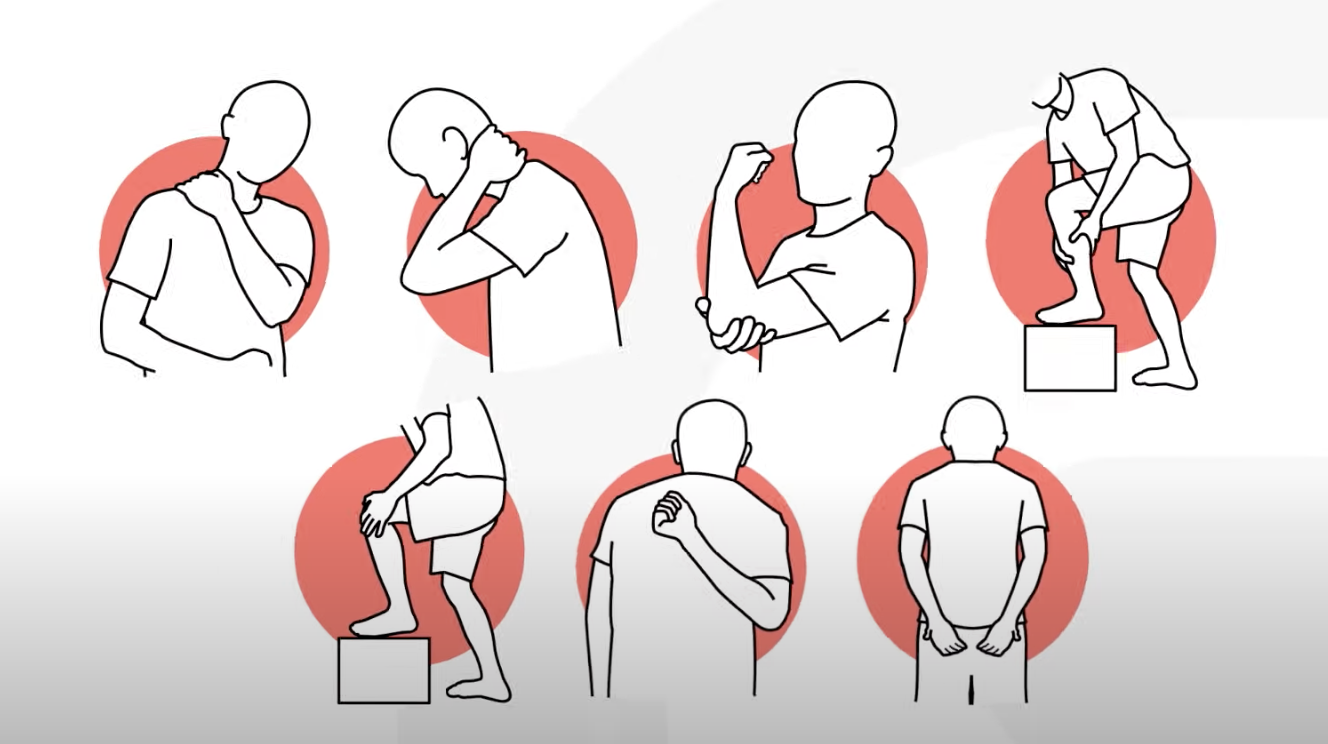
Here are the most common symptoms of mold disease:

  • Blurred vision.
  • Confusion.
  • Cough.
  • Diarrhea.
  • Difficulty remembering words.
  • Disorientation.
  • Dizziness.
  • Drops in appetite.
  • Dyspnea.
  • Excessive thirst.
  • Fatigue.
  • Headache.
  • Increased urination.
  • Joint pain.
  • Lacrimation.
  • Lower learning.
  • Memory losses.
  • Metallic aftertaste.
  • Mood swings.
  • Muscle spasms.
  • Numbness.
  • Photosensitivity.
  • Problems with concentration.
  • Redness of the eyes.
  • Runny nose.
  • Skin sensitivity.
  • Static shock.
  • Stiff muscles.
  • Stitching pains.
  • Stomach ache.
  • Sweating (especially at night).
  • Temperature changes.
  • Discomfort.
  • Tingling.
  • Tremor.
  • Unusual pains.
  • Weakness.

Fortunately, mold disease is treatable. Treatment can take a long time because it requires thoroughness. It is recommended to take coal and clay, which remove mycotoxins from the body as well as probiotics.

You Might Also Like This

Iron Deficiency Without Anemia: Symptoms and Natural Replenishment Tips
What Kids Actually Need Most From You
When The Natural Curve Of Your Neck Is Reduced, It Seems You’re More Likely To Run Into Trouble With Disc Herniations.

This 20-Year-Old High School Dropout Bought $1,000 Worth Of Bitcoin At The Age Of 12 – Now He’s Worth $4.5 Million

This 20-year-old high school dropout bought $1,000 worth of bitcoin

Bitcoin (BTC) has not only revolutionized the history of money, but it has also been the springboard that has allowed new commercial actors to come into public light, from those who have become promoters and prophets of this cryptocurrency, to those that have become millionaires with the investment in the financial market that this cryptocurrency opened.

For millionaires, there are cases where some of them reached their fortune without even coming of age – such is the case of Erik Finman, who became a millionaire bitcoiner as a teenager.

How did Erik Finman make his fortune?

When he was only 12 years old, during 2011, Finman was already participating in protest movements against stock market systems and abuse by banks towards users, by the hand of his older brother. It was in these protests that he first heard of BTC and was very excited about the initiative.

For that reason, he convinced his grandmother to give him a thousand dollars, which he used to buy that cryptocurrency when it cost just $ 10 per unit. In total, he managed to buy about 100 BTC. Three years later, he sold part of these and with the profits he founded his own company online, called botangle, dedicated to mentoring students in the areas of programming, design and marketing.

A few years later, a buyer offered him $ 100,000 or 300 BTC for his company. As expected Finman opted for the BTC. He combined those gains with another 100 BTC that he had managed to collect. Consequently, with the great cryptocurrency boom at the end of 2017 and with a Bitcoin price close to 20 thousand dollars, it happened to have a fortune close to 8 million dollars. It is noteworthy that by that date he was only 17 years old.

Finman made a bet with his parents: if he managed to raise a million dollars before he was 18, he wouldn't have to go to college. As we have seen, he far exceeded this goal, so, despite his parents, he devoted himself to investment and technological developments by saying goodbye to any academic plan.

You Might Also Like This

A Solar-Powered System Can Turn Salt Water Into Fresh Drinking Water For 25,000 People Per Day
$416M Luxury Resort Under Construction At Big Sky
Anti Inflammatory Diet Basics: A Simple Guide for Beginners

Want to Raise Smart, Kind Kids? Science Says Do This Every Day

Want to Raise Smart-Kind Kids

It does not take much time!

Reading is the best exercise for the brain, and experts recommend that children read when they are in their mother’s stomach. The book not only helps to develop vocabulary, literacy and thinking in a child, it always brings with it countless discoveries, impressions and a new world. Therefore, parents try to read as much as possible to young children, they are happy to buy books and magazines for them.

In 2018, in a national study of children from 6 to 17 years old and their parents devoted to reading, it was found that 59% of parents read to children from birth to 5 years old, but only 38% read from 5 to 8 years old, and only 17 % of parents continue to read to children between the ages of 9 and 11. However, most children between the ages of 6 and 11 (and most parents) say that they like reading aloud.

This is why reading aloud at least 10-15 minutes a day is good for children:

1.  Increasing vocabulary.

Children who are read aloud find more words than in ordinary colloquial speech, and they learn how to recognize and pronounce them. Studies show that a large vocabulary seriously affects school success.

2. Improving understanding.

When children are actively included in the story, they better understand what is happening. By following the plot, you can check to see if your child understands what is happening. Ask him what will happen next, what he thinks about the heroes and their actions.

3. Strengthening ties between parents and children.

Minutes together and warm memories of how beloved parents read interesting stories can breathe a love of reading for life.

4. The best role models are created.

Children learn through observation and imitation. Reading aloud helps them hear how the language sounds. You can be an example of how to analyze history and how to determine the meaning of words using context hints.

5. Improving listening skills.

Reading aloud fosters an understanding of the richness of the language and helps to develop children's hearing: it will be easier for the child to understand the instructions of school teachers. It is known that a child’s reading level does not match his listening skills until around eighth grade.

Do you read aloud to children?

You Might Also Like This

Why Crawling is Key to Your Child’s Future Health
Do Not Be Afraid Of Artificial Intelligence, It Will Save Us
Look Up – 2020 Chemtrail Documentary

The NCAA Just Got Schooled on Athlete Renumeration

NCAA logo

The NCAA, the representative body of the American university sport, made a first step towards the possible remuneration of its athletes, a few hours after two players' unions had announced their partnership to advance this issue.

By unanimous vote, the NCAA Board of Governors decided to open the door to the possibility that athletes could "benefit from their name and image".

The vote took place in a meeting at Emory University in Atlanta.

In a statement, the chair of the board of governors, Michael V. Drake, said the members realized he needed to "be open to change so university athletes could have the best experience possible."

"In recent years, we felt more and more a grumbling that existed compared to the old rules. And the situation has changed a lot in recent years when we saw university coaches in basketball, football, and huge salaries, unlike players who did not even have the right to have a free pair of shoes or to accept a coffee from a potential agent, "explains agent Sasha Ghavami, who works mainly with football players.

The NCAA rules currently prohibit athletes from receiving any remuneration in addition to their university scholarship. This is increasingly challenged by several star players, including LeBron James, who advocates for retribution of young players.

We've seen changes to basketball with agents, where athletes now have the right to have an agent to prepare the draft without losing their eligibility.

The announcement of a partnership between the National Association of University Athletes (NCPA) and the NFL Players Union (NFLPA) forced the NCAA to respond.

"The NFLPA and the NCPA are delighted to reveal about their collaboration to explore ways that athletes in all sports can finally receive fair renumeration for the use of their image, their name and their modeling." In video games in particular, says the joint statement of the two organizations.

The collaboration comes one month after the historic decision by California Governor Gavin Newsom to allow university athletes in his state to collect image rights and sign advertising contracts starting in 2023.

"To date, schools and the NCAA are selling license and broadcast rights to university athletes. These organizations derive all the revenues that are the result of the work of the athletes, without recognizing that these athletes deserve their fair share, "argue the NFLPA and the NCPA.

"As part of this new partnership, we will explore all possibilities for derivatives, video games and other officially licensed products. We will also examine the impact of television revenues for reasons of equity," they add.

"We are on the fair track, and we invite NCAA business partners to join us. It's time to make a fresh start, said Ramogi Huma, himself a former football player at UCLA.

"The United States should be a region that allows the citizens to get the best benefit of what we call a free enterprise and where we can guarantee equality of the rights," he said.

For the NCAA, more slings are expected. In the wake of the California Fair Pay Act voted in late September, other states, including Florida and New York, are planning to legislate in turn to allow university athletes to be paid.

You Might Also Like This

The Current Financial Situation In The United States: Inflation And Beyond
Mental Exercises To Choose Healthy Foods, According To Science
How To Prepare For Financial Disaster Due To Economic Collapse In The United States

A big study reveals the Safe Limit of Coffee You Should Drink Each Day to avoid Health Dangers

study reveals the Safe Limit of Coffee You Should Drink Each Day to avoid Health Dangers

Drinking coffee is not bad for your health and could even extend your life expectancy. However, there’s one one condition: do not consume more than five cups a day.

Good news for fans of coffee: drinking coffee is not as bad as it was long thought. The better news is that its consumption is associated with a reduction in mortality and up to two years of life expectancy, provided that it is not abused.

A decrease in the risk of death

This is the conclusion of a recent study published in The European Journal of Epidemiology led by researchers at Kyung Hee University in Seoul, South Korea, and by the Department of Nutrition and Epidemiology at the Harvard TH Chan School of Public Health in Boston. The study builds on 40 previous studies of the link between mortality and coffee consumption. In total, the data of 4 million participants were screened.

The authors of the study concluded that consuming two to four cups of coffee - even decaffeinated - a reduced risk of death by a day was associated compared to people not drinking coffee. In detail, moderate consumption of coffee reduces the risk of death from heart disease by 17%, the risk of death from diabetes by 24% and the risk of cancer by 4%.

This conclusion is similar to that of a previous meta-analysis conducted in 2017 by researchers at the University of Edinburgh and published in the BMJ. They said that drinking three to four cups of coffee daily reduced the risk of death and heart disease. According to them, this reasonable consumption is also associated with a lower risk of certain cancers, diabetes, liver disease and dementia. Researchers even tout the benefits of Parkinson's disease, depression and Alzheimer's disease.

Moderate consumption

Be careful, however, not to exceed five cups of coffee a day. In another study, this time conducted by South Australia University and published in early March in The American Journal of Clinical Nutrition, researchers studied data from 347,077 people aged 37 to 73 years and concluded that drinking more five coffees a day increases the risk of getting involved in various cardiovascular diseases by as much as 22%. It was concluded that excess caffeine promotes high blood pressure.

"If you want to maintain and reach a healthy blood pressure and heart rate, it is important that you limit the use of your coffee and try to never exceed six cups of coffee in a day." According to our data, the critical point was the threshold point where caffeine began to have a negative effect about cardiovascular risk, "explains Dr. Elina, co-author of the work.

In a report, the European Food Safety Agency (EFSA) advises healthy adults not to exceed the consumption of 400 mg of caffeine per day, throughout the day i.e. about three cups of coffee. In pregnant and lactating women, this caffeine intake should not exceed 200 mg per day.

You Might Also Like This

Probiotics vs Prebiotics: What Is the Difference and Which Do You Need?
Processed Food And Toxic Ingredients Cause Most Of The Cancer, New Research Reveals
Half Of The U.S. Population Will Be Obese By 2030

Processed Food And Toxic Ingredients Cause Most Of The Cancer, New Research Reveals

Processed Food and Toxic Ingredients cause most of cancer

The greater the amount of processed foods in the diet, the greater the risk of developing cancer in general and breast cancer in particular.

Cancer prevention starts on your plate

The 'highly processed' foods are elaborated by industrial procedures from ingredients that are commercialized for their 'direct' consumption. They should not be cooked – just take them out of the bag or the can to use it. It’s something that can be very useful in the increasingly frenetic 'modern life', to the point that it is estimated that these ultra-processed foods account for up to 50% of all daily calories ingested in many Western countries. But there is a problem: these products cannot be considered 'foods' – they contain very high amounts of salt, fats and sugars and very low vitamins and fiber. At least in theory, they cannot be described as 'too' healthy. According to the research results, these ultra-processed foods are associated with an increased risk of cancer.

Ultra-processed and carcinogenic?

Ultra-processed foods include a wide range of fast-food products, such as snacks, sugary sodas, prepared foods, sugary cereals, industrial pastries and reconstituted meat products. Some 'foods', as some studies have warned, are associated with an increased risk of obesity, high blood pressure and hypercholesterolemia. However, it seems that the 'benefits' of these products do not end here. They could also cause cancer.

To carry out the study, the authors followed over a period of five years the evolution of 104,980 adults who, with an average age of 43 years and mostly women, making up to 78% of the total. They had responded to at least two questionnaires designed to quantify your consumption of 3,300 different foods.

The increase in the consumption of ultra-processed foods can lead to an increase in the burden of cancer in the coming decades

The results showed that, regardless of other risk factors already known for cancer such as age, family history or level of physical exercise and smoking, the consumption of processed foods was associated with a higher probability of suffering from a disease. Specifically, each 10% increase in the percentage of processed foods in the diet was associated with a 12% increase in the risk of developing cancer in general and 11% in the probability of suffering from a breast tumor.

You Might Also Like This

Tracking Down the Origin of the Wuhan Coronavirus
A Harvard Study Discovered The Signs That Someone Will Succeed, And It Is Very Strange
How to Improve Gut Health Naturally with Diet, Probiotics, and Lifestyle Habits

Cortisone Injections For Hip And Knee Pain Has A Higher Risk Than Formerly Believed

Cortisone injections for hip and knee pain has a higher risk

Osteoarthritis occurs when the cartilage in the joints falls apart. Doctors are seeing that these injections can be very harmful for joints with serious complications.

Osteoarthritis or “wear arthritis” occurs when the cartilage of the joints is damaged, a problem that usually affects the elderly.

In the United States, more than 30 million people suffer from this disease, according to the Centers for Disease Control and Prevention. Nearly 9 million people in the United Kingdom suffer from osteoarthritis, according to the NHS.

Corticosteroid injections are recommended for those who get no relief with pain relievers. However, studies on their safety suggest that they can cause from joint inflammation to back pain and infections.

To better understand this mechanism, scientists looked at patients with osteoarthritis who received between one and three corticosteroid injections last year. Patients returned 2 to 15 months later for a checkup.

The scanners showed that osteoarthritis had worsened in 6% of patients, compared to their condition before injection, according to research published in the journal Radiology.

0.6% suffered a subchondral fracture due to insufficiency, which occurs when the bone is not strong enough to withstand daily forces.

Another 0.7% presented joint destruction, including bone loss, and the same number of patients suffered "complications such as osteonecrosis," which occurs when bone tissue dies due to lack of blood supply.

Based on these results, scientists are asking that patients be scanned before giving corticosteroid injections to ensure they don't have fractures that can get worse.

According to the authors, “Doctors do not usually inform patients about the possibility that they may suffer a joint collapse or a subchondral fracture due to insufficiency, problems that can lead to a total hip or knee replacement much earlier than expected.

"This information should be included in the informed consent when injecting intra-articular corticosteroids to patients."

You Might Also Like This

A big study reveals the Safe Limit of Coffee You Should Drink Each Day to avoid Health Dangers
Study Suggests CBD Stops Metastasis In Breast Cancer Patients
Look Up – 2020 Chemtrail Documentary

Both Sugary And Diet Soda Leads To An Early Death

sugary-and-diet-soda-lead-to-an-early-death

Drinking the equivalent of two glasses of sweetened beverage increases the risk of dying prematurely. The details of the study are published in the journal JAMA Internal Medicine.

A study conducted a few months ago in the United States had revealed that the largest consumers of soda and other sugary drinks see their risk of premature death increase by more than 20%. Today, nearly half a million people surveyed and followed over 16 years. The consumption of sweetened beverages was taken into account this time. Like the previous study, the results are not pretty.

For this study, the researchers more specifically tracked the medical records and eating habits of approximately 450,000 people. None at the beginning of the study had cancer, heart disease, stroke, or diabetes. During this survey, 41,700 participants eventually died.

17% higher risk

For the data we are interested in here, we learn that among those who reported consuming at least two sweetened or sweetened beverages per day, 11% died during the study period. Against 9% of those who reported consuming less than one of these drinks per month.

When other risk factors, such as diet, physical activity, smoking, or level of education, are taken into account, the researchers conclude that the risk of death was 17% higher for people who drink two glasses. of soda a day at least. Compared to the risk of death for those who consume less than one soft drink per month:

"Our findings regarding sugary soft drinks support measures to limit their consumption – replacing these drinks with other alternatives that are healthier, such as water, is a good idea." Dr. Neil Murphy stated as one of the primary authors involved in this study.

There are several things to note. On the one hand, the type of drink did not affect the participants in the same way. Those who consumed light sodas were more likely to die from cardiovascular disease. While people who frequently consumed sugary sodas were more likely to die of digestive problems (diverticula, colic or liver disease).

The study also reveals only one association. Researchers cannot prove with certainty that it is indeed the regular consumption of soda that has led to all these premature deaths. Further studies will be needed to isolate the true mechanisms that explain how sweet or sweetened beverages affect our health.

You Might Also Like This

Drugs Pollute The Water We Drink
How Chiropractic Care Can Shield Soccer Players from Spinal Issues
What Is Insulin Resistance and How Does It Affect My Health?

A Lack Of Sleep Makes Your Brain Eat Itself

Lack Of Sleep Makes Your Brain Eat Itself

Lack of sleep accelerates the action of the cells responsible for brain cleaning, which end up destroying essential neurological tissue.

In previous research it has already been concluded that a single night of insomnia is enough to produce irreparable brain damage; In the long term, such brain damage even becomes permanent.

Now a new study published in the Journal of Neuroscience has gone further, investigating how it is produced and to what extent it affects. In conclusion, it has been discovered that the cells responsible for brain cleaning accelerate can destroy brain connections and even healthy neurons.

Brain cleansing

During a normal sleep habit, glial cells are responsible for cleaning toxins at the brain level i.e. for destroying and digesting worn-out cell debris or potentially harmful metabolic debris.

However, during insomnia, this situation accelerates. In the short term this can even be beneficial, as accelerating the cleanliness and reconstruction of healthy brain connections can be of great help. However, in the long term, insomnia can increase the risk and even trigger neurological diseases such as Alzheimer's or other disorders, as claimed by Michele Bellesi and his colleagues at the Marche Polytechnic University in Italy.

These effects have been discovered for the moment in mice: a group of mice that were allowed to sleep at will was compared with another group of mice that were kept awake for another eight hours. Finally, a third group of mice stayed awake for five seconds to mimic chronic insomnia.

The glial cells of the brains of the mice - the brain cleansing cells - were analyzed. A certain type of these cells, astrocytes, are responsible for cleaning up unnecessary brain connections; On the other hand, the microglia cells are responsible for cleaning the brain of debris and damaged cells.

Insomnia and accelerated brain cleaning

After a normal restful sleep, the astrocytes were in an activity of 6%, while in a brain that suffers from lack of sleep, the activity goes up to 8% and even up to 13.5% if said lack of sleep becomes chronic.

Lack of sleep could cause brain connections to break more than the bill. This could be somewhat beneficial in the short term, as brain connections must be remodeled every so often when they become "old."

However, on the other hand, it was also discovered that microglia cells also increased their activity during sleep deprivation, and that is worrisome: if the activity of this type of cells is accelerated, neurological diseases can be triggered. In fact, microglia cells have already been linked to diseases such as Alzheimer, schizophrenia, depression and even damage caused by chronic marijuana use.

At the moment it is not clear if sleeping more could protect the brain or avoid these harmful effects related to insomnia. According to the researchers, there is much to investigate about it.

You Might Also Like This

Coronavirus Outbreak – The Chinese Are Buying Masks, But Will It Help?
The Reality Of The Modern Immune System
Best Herbal Teas for Deep Restful Sleep and Relaxation

Does Red Meat Trigger Toxic Immune Reaction Which Causes Cancer? Latest Research Says NO

Does Red meat trigger toxic immune reaction which cause cancer

In 2014, scientists at the University of California reported that red meat triggers toxic immune response that can lead to cancer. Since then, scientists have been looking for evidence for three years that red meat causes cancer and heart disease, but couldn’t find anything.

Where are we with the red meat in 2019? Among scientists and other nutritionists, a debate erupted over whether or not eating red meat is unhealthy. It's all about a new study of specialists from seven countries. For three years they studied various articles on the dangers of red meat and its effect on heart disease, cancer and other diseases. The authors found no convincing evidence of a link to disease and death, because most nutrition research often does not meet scientific standards. Some experts harshly criticized this article, calling it "irresponsible, unethical and undermining public confidence in science." Others supported the authors and called for a review of research approaches to healthy nutrition. Here are the main points of the new study and gives the arguments of his supporters and opponents.

Medical organizations in different countries and the World Health Organization recommend that people eat less red meat. They believe that it causes heart disease, cancer and other diseases.

However, a new study says that almost all such dietary recommendations are not backed up by reliable scientific evidence. Its authors are a group of scientists from seven countries led by Bradley Johnston, an epidemiologist at Dalhousie University in Canada. Over the course of three years, they have studied over one hundred articles and studies, in which over four million people participated. All of them concerned the connection of raw red meat (beef, pork, lamb, horse meat and goat meat) and processed meat (sausages, sausages, bacon) with various diseases. In order to avoid conflicts of interest, the study was conducted without external funding. The authors also warn that they did not address issues of the negative impact of animal husbandry on the environment and the problems of handling animals.

The study is divided into four parts. In the first three, scientists looked at data on how eating different types of red meat affects the risk of developing cardiovascular disease or cancer. They concluded that the association with disease and mortality was small, and the quality of evidence was low or very low. Some results show that eating meat three times a week can be good for your health.

The fourth part talked about why people like red meat and whether they are ready to cut back on it for health. Researchers have found that most research participants are “tied to meat and do not want to limit their use when faced with potentially undesirable health effects.”

The main question that the authors of the new report raise is that nutrition research often does not meet scientific standards. At the heart of most of them is an observational study in which attention is paid to only one component of the diet. Such data do not reveal the cause and effect, however, on their basis, the main principles of healthy nutrition are still being developed.

This study has caused great discussion among scientists, nutritionists and other nutritionists. The American Heart Association and the Cancer Society have severely criticized its findings. Harvard School of Public Health called the study “irresponsible and unethical,” and stated that such findings “damage the authority of nutrition science and undermine public confidence in research.” A panel of doctors on responsible medicine advocating for a plant-based diet filed a petition against the journal Annals of Internal Medicine, which published this article. US officials responsible for healthy nutrition guidelines adhere to the principle that eating less meat is still good, although evidence of its harm is imperfect.

You Might Also Like This

Jeff Bezos No Longer the Richest Man in the World
What Do Men Want? Muscle Infestation Is Fraught With Posterity, Scientists Say
Early and Overlooked Signs of Vitamin D Deficiency in Adults