
All Posts by Dr. Jeff

Handwritten Notes In Class Are Better Than Laptops

Handwritten notes

If you are a student, you’ve probably had to take notes. What’s the best way to take notes in class: handwritten notes or laptops?

In schools or universities, one of the methods we used to study is to create new notes in class is to write it manually. This trend is overshadowed by today’s digital transformation of classrooms – students use laptops to study, which sometimes also work as a distraction for them.

The handwriting process was long, tedious and sometimes took days; however, it was worth it because by the end of class the students already get to learn everything they needed to go for an exam and get good grades. This helps strengthen the brain synapses and learn better in class. The key to success in academics seems to be making the notes by hand.

For students of this generation, technology is much more available and accessible – they can take a laptop or tablet to class and take notes digitally. Sometimes, they don't even need to use a notebook and pencil. This is not bad, especially when it becomes so easy. However, this makes us confront an important scientific question: is replacing paper notes with digital notes more efficient when studying and learning?

What does science say?

Psychological Science presented the results, and these suggest that there is an advantage in taking notes with paper and pencil over digital devices – it helps us remember what we have heard better and prevents us from forgetting it easily. In the study, students met and separated into two groups in a class. The first group had to take notes in the conventional way, i.e. with pencil and paper. The second group had to take notes using a computer. In the end, everyone was given to the same exam and students who took manual notes scored better.

Taking notes on a computer is much simpler due to technology. However, when the purpose of taking notes is to learn in the process, the easiest method is not always the best.

You Might Also Like This

Here’s How 15-Minutes Of Walking Drastically Change Your Body
Magnesium and Sleep Quality: How It Supports Deeper Rest and Reduces Nighttime Anxiety
Here’s Why Tall People Are At Greater Risk Of Getting Cancer

Retail Apocalypse Causing The US Stores To Close Down In 2019

Apocalypse Causing The US Stores To Close

The shopping centers are closing down in the United States, and the decline has only just begun. Recently, commercial giant JC Penney said he planned to close about 140 stores. On the other hand, the analysts of System2 LLC, an important data company, pointed to another 197 stores at risk of closing in this country. On the other hand, over 9,300 stores are closing in 2019 and the retail apocalypse drags on.

The retail apocalypse of large shopping centers, as they call it here, is a phenomenon that worries all experts. Some of the main operators in the country, such as Macy´s, JP Peney or Sears are already carrying out massive closures. Why is this happening? It’s because of the boom of online commerce.

The sales figures of online commerce increase day by day, month by month and year by year. In the United States alone, more than 15% of retail sales are made through the internet, with a growth rate close to 15% annually. The numbers are unstoppable and Amazon is largely to blame for it.

Buying online is very easy and cheaper. It is not even necessary to open the computer – you just have to have the mobile phone application installed. For a physical store it is very difficult to compete in price, convenience and speed of delivery with web portals such as Amazon, eBay or Alibaba.

Shopping centers in the United States have become obsolete. The first were built during the 50s (many of them are still open) and more than a third of the stock was built before 1978. In the next ten years they continued to open new centers. As a consequence, most of these constructions have become old and outdated.

The third reason why shopping centers are in decline in the United States is because of the excess supply that exists. The consumerist culture of the Americans and the few limits in urban policy gave rise to the proliferation of shopping centers in all corners of the country.

You Might Also Like This

Do Not Be Afraid Of Artificial Intelligence, It Will Save Us
The Wide-Ranging Benefits of Chiropractic Care
Cannabidiol Named The 2019 Well-Being Product

How To Bend Right – The Lost Art Of Bending Over

Bending Over

Leaning forward can be very relaxing and bending over becomes inevitable in our daily lives. However, it’s important that you do it right – you can pull your lower back, especially if your back thighs are poorly stretched.

There are right and wrong ways to lean forward and bend over. To protect your lower back, you need to perform the slopes correctly. For this you need to pay close attention to the mechanics of your body. The key muscles that you need to pay attention to are the muscles of the back of the thigh, especially their intersection with the pelvis.

Muscles of the posterior thigh are semi-membranous and semi-tendon. Here is the basic anatomy of leaning forward: to stretch the muscles of the back of the thigh, we stretch (straighten) the knees and bend in the hips, while bending the stomach on the hips.

Working while leaned forward with straight legs, head-to-knee is the perfect way to stretch the hamstring.

The problem is that when the muscles of the back of the thigh reach the limit of their flexibility, you begin to bend either by flexing your knees or by flexing your hip joints. The extension in the hip joints means that while sitting on the floor, your short muscles of the back of the thigh will pull the ischial tubercles towards the back of the knee. Because of this, the pelvis goes back and the spine gets bent. The natural deflection in the lumbar region disappears. Rounding of the spine is a big no and you must avoid it.

If you lean forward and the muscles of the back of your thigh are not stretched, you can seriously damage the intervertebral discs or ligaments. Compression will be subjected to internal organs, such as heart, lungs and digestive organs. The tighter your hips are, the more likely you are to compress your internal organs.

You Might Also Like This

Chiropractic brings a proven BALANCE to the body during times of STRESS
Is Going Vegan A Good Idea?
Can Keto Help Protect Your Immune System?

People Who Complain All The Time Are Harmful To Your Health

People Who Complain

Each of us knows someone who constantly complains about everything. Whether there is really a problem or not, these people will always find a reason to victimize themselves and complain to someone about it. Other times, we may be the ones who complain about everything.

There is ample evidence that when complaining becomes a habit, the consequences can be felt on health. Here are the effects of this irritating behavior that we have or that some people around us have on our brain and its well-being.

Continually giving voice to negative thoughts and emotions has health consequences that can also have serious physiological impacts – it profoundly affects certain brain functions and psychophysical well-being.

In the long run, negative thoughts completely replace positive thoughts: this has consequences not only on social relations, but also on the functioning of the brain itself. It is as if each time we complain, the brain takes this state of mind as a reference to react to similar future situations.

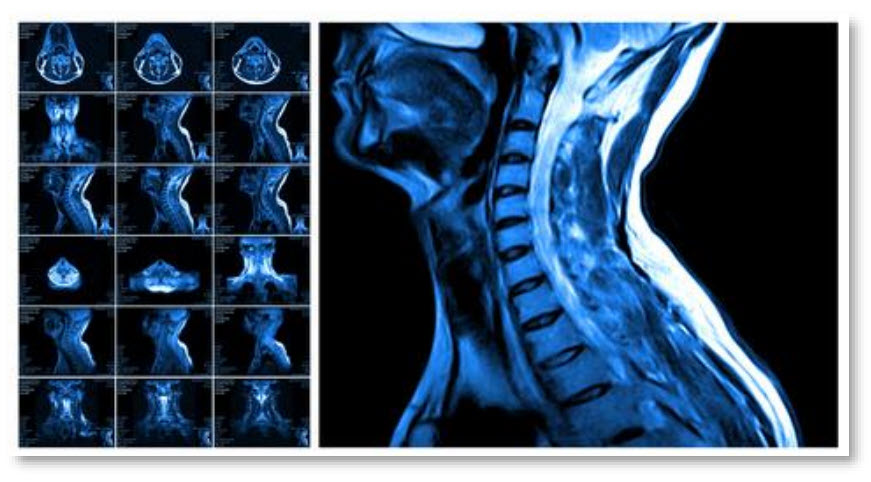
Complaints can also have a direct impact on the capacity of memory – some magnetic resonances have recorded a narrowing of the hippocampus in people accustomed to complaining. This implies that the area of ​​the brain is affected which regulates many functions cognitive, including memory. A smaller size of the hippocampus leads to poorer memory and reduced ability to adapt to new situations.

When negative feelings are more important than positive feelings, more cortisol is released into the body: it is a hormone responsible for insomnia, depression, metabolic problems and heart disease. It is no coincidence that cortisol is also called "stress hormone".

So, if you have people around you who complain all day long, or if you've fallen into this vicious circle, just take your life in your hands and give it that touch of positivity that can turn things around for you! There’s always a reason to be optimistic.

You Might Also Like This

ECB Expects Low Inflation To Persist In EURO-AREA
How To Prepare For Financial Disaster Due To Economic Collapse In The United States
The Surprising Way Chiropractic Care Can Boost Your Weight Loss Journey

Study Highlights Keto-Diet’s Potential Against Cancer

Keto-Diet’s Potential Against Cancer

The ketogenic diet is high in fat (90% of calories) and low in carbohydrates (2% of calories) and protein (8% of calories).  It was mainly used to treat epilepsy in children because with little carbohydrate in the blood, the liver transforms fat into ketone bodies as an alternative source of energy. As a result, it significantly modifies the metabolism of the brain, resulting in a decrease in seizures.

Several studies show, which is not surprising, that this diet makes the body more effective at burning fat – others show that it can cause significant reductions in blood glucose and insulin levels. A few studies also highlight that it can be beneficial for brain chemistry in other ways. It has been studied for its ability to help people lose weight, control diabetes and even reverse the early stages of Alzheimer's disease.

Preliminary research also shows that a ketogenic diet can stop cancer progression, inhibit metastasis and kill cancer cells. However, research to date has been limited mainly to a few animal studies. In human cancer patients, all cancers combined, the results showed both positive and mostly negative results. According to Professor Thomas Seyfried of Boston College, one of the main champions of the ketogenic diet against cancer, “there are still some defects to correct".

You must also choose your fat wisely, because with cancer, there is ample evidence that saturated fats can increase metastasis and spread cancer.

Experience shows me that during a cancer, the progression of the tumors is very often either regressed, stopped or slowed, compared to the period before it establishes. The side effects of conventional treatments are often mitigated with the help of a keto diet regime. You can make certain adjustments to the diet on a case-by-case basis for the chemotherapy days to minimize adverse effects. The energy boost is impressive – many are able to re-engage in sport or work while undergoing treatments.

You Might Also Like This

How To Slow Down Time And No Longer Worry That It Passes Quickly
Oxford “Liquid Diet” – The Best Way To Lose Weight
Chiropractic Care Benefits Children of All Ages: Why Every Kid Deserves the Advantage

Over 2,000 Chemicals Legally Sold in Packaged Foods

Chemicals Legally Sold in Packaged

128 chemical residues, including 47 carcinogenic substances would be absorbed by a child of ten years in a day – the study of the Future Generations Association points out the dangers of the pesticides, food additives and plastic residues that we absorb daily.

Pesticides

These products sprayed in the fields or put on stored fruits and vegetables are often found on our plates. Washing fruits and vegetables before eating does not guarantee their disappearance – some are resistant to water. A study has shown that washing with hot water is usually more effective than cold water, especially if you rub the vegetable with a cloth after.

Food additives

These are used by agri-food industries to preserve foods or give them a particular texture, taste or color. Additives should be mentioned in the ingredients on the package. By carefully looking at the composition of products, we can avoid E100 (dyes), E200 (preservatives), E300 (anti-oxygen agents) and E400 (texture agents).

Dioxins and PCBs

Dioxins are diffused into the environment in the form of particles and can be found all along the food chain. They are mostly found in water, which explains why the most contaminated food products are packaged fish.

Phthalates and Bisphenol A

To avoid phthalates, plasticizers are widely used for food packaging. We must look at the codification of plastics – plastics that are classified as 3 are to be avoided. For baby bottles and milk powders, you should prefer cardboard packaging and glass bottles. It is better not to heat the trays or plastic cutlery in the microwave.

The sources of chemical hazards in food can be divided into:

  1. Naturally occurring chemical hazards such as mycotoxins, bacterial toxins, algal poisons, plant toxins and animal toxins
  2. Chemical hazards caused by environmental pollution, such as heavy metals and organic matter in the environment
  3. Chemicals that are intentionally added, such as preservatives, nutritional supplements, pigments, etc.
  4. Chemicals that are not intended to be added, such as chemicals in agriculture, chemicals used in aquaculture, chemical substances used in the process of food production enterprises, etc.
  5. Chemical hazards from food processing
  6. Chemical hazards from containers, processing equipment and packaging materials
  7. Chemical hazards caused by radioactive contamination

You Might Also Like This

267 Million Facebook Users’ Sensitive Information Leaked On The Dark Web
Concussions and Chiropractic Care: A Closer Look at Recovery
Signs of Vitamin B12 Deficiency and Natural Ways to Correct Them

Being Busy All The Time Kills Your Creativity

Busy All The Time

Being constantly busy can make us more productive, but that does not make us more creative. The best ideas come to you in the moments of leisure and contemplation when you let the spirit wander.

A recent study has analyzed how busy being does away with our creativity.

Emma from Stanford University explains that the idea is to balance linear thinking, which requires intense concentration with creative thinking – you reach that mental state during inactivity. The change between the two modes seems to be the optimal way to do a good creative job.

The overabundance of information prevents us from getting into that mental state. This undermines not only the will but also the creativity.

As Emma points out, many of the brightest minds in the world have made important discoveries while doing nothing. Nikola Tesla had an idea of ​​the rotation of magnetic fields during a quiet walk in Budapest. Albert Einstein enjoyed relaxing and listening to Mozart during intense brainstorming breaks.

But how to disconnect at a time when bosses, colleagues and friends require you to have a continuous connection? Here are some suggestions for you from the expert:

  • Take a long walk without your phone as part of your daily routine.
  • Get out of your comfort zone.
  • Invest more time for fun and play.
  • Alternate between concentrated work and less intellectually demanding activities.

Regardless of your profession, a flexible mind open to new ideas and approaches is very valuable. Just losing it to check for the latest tweet or posting an irrelevant selfie is a tragedy.

Developing your creativity has become a critical issue nowadays. Whether in the workplace or in our private life, being creative and finding original solutions to problems is a great asset.

The good news is that we are all creative. It’s just that you may have forgotten how to use this tremendous potential that each of us have in us.

The purpose of this research was to give you concrete and directly applicable ways to improve your creative mind. Remember that one of the first qualities in creativity is openness! So be open to new ideas and explore the world outside your comfort zone.

You Might Also Like This

The Dark Side Of Plant-Based Food – What Happens To The Body When You Stop Eating Meat?
Tesla: Navigating the Current Financial Landscape and Charting a Path Forward
Natural Ways to Reduce Inflammation in the Body

The NY Fed injects $105 Billion Dollars In Temporary Liquidity

The NY Fed injects 105 billion dollars in Temporary Liquidity

The US central bank seeks to meet the financing needs of banks and Wall Street after the last week’s turbulence.

The Federal Reserve injected 105,000 million dollars in temporary liquidity into the United States banking system on Tuesday – it was an effort to meet the financing needs of banks and Wall Street after last week’s turbulence.

The New York Fed granted $30,000 million to primary operators in a 14-day repurchase agreement (repo) operation and $75,000 million in a one-day repo operation.

The central bank's demand for funds was strong, with the 14-day operation’s $62 billion in offers and $80.2 billion in the one-day operation, according to New York Fed’s data.

One-day repurchase rates fell to 1.9% -2.03% after the addition of central bank cash on the open market, down from 2.01% -2.10% before Fed operations.

It’s the first such action that has been taken since the financial crisis. The monetary value in the US is currently in a band that moves between 2% and 2.25%. Primary operators were able to obtain one-day funds at a lower cost than the market.

Market participants were at a loss about the explanation for such a sharp jump in rates. Most tried to explain it by a combination of the most diverse and unrelated reasons, which individually did not pose a great threat to the market, but all together could lead to seismic-scale changes.

The repo market played a major role in the last financial crisis, when investors began to doubt the reliability of the securities that they were offered on credit. Later, the collapse of the short-term lending system was recognized as one of the first stages of the crisis. Investors ceased to trust large banks amid growing losses from securities related to mortgages.

 It did, however, reflect tensions over the amount of cash available in dollars, whereas the Fed has not intervened in this way in the markets for more than ten years. 

You Might Also Like This

Chiropractic & Migraine Headaches
How Many Proteins Do You Need And The Best Way To Take Them
How Probiotics for Gut Health Restore Balance and Improve Digestion Naturally

Google To Acquire Fitbit for $2.1 Billion

Google to acquire Fitbit for 2.1 billion

Google's parent company, Alphabet, announced on November 1st that it would acquire Fitbit. Fitbit is a leading US based wearable device manufacturer. The announcement shows that the alphabet will acquire Fitbit for $7.35 per share, with a total transaction value of approximately $2.1 billion. The transaction is expected to be completed by 2020.

According to public information, Fitbit was founded in 2007 and launched its first sports bracelet in 2009. Since then, users have recorded their fitness progress, heart rate and sleep each day. The impact of this product is so strong that people called all sports bracelets Fitbit for a long time.

Fitbit has more than 28 million active users worldwide and sells more than 100 million sports bracelets and smart watches. On August 5th, 2015, Fitbit's share price reached a peak of $51.90 per share. When the news of Google’s acquisition came out, the market value of Fitbit increased from $1.5 billion to $1.84 billion.

Future Fitbit will be part of Google's hardware team with the goal of creating the next generation of wearables. According to Fitbit’s CEO James Park and Google hardware leader Rick Osterloh, the future Fitbit products will run Google's Wear OS system.

“With Google’s resources and global platform, Fitbit can accelerate innovation in the wearable arena, and a rapid growth will make health more accessible,” says James Park.

Rick Osterloh said, "By working closely with Fitbit's team of experts to integrate the best artificial intelligence, software and hardware, we can help stimulate innovation in wearable devices and build products that benefit more people around the world.

Consumer electronics hardware is increasingly becoming a popular commodity. These devices with nearly identical features ultimately compete primarily in price. For large consumer technology companies such as Apple and Google, it is still important to gain a foothold in the wearables market as it is the key to capture mobile user information and collect potentially lucrative biometric data.

You Might Also Like This

Iron Deficiency Without Anemia: Symptoms and Natural Strategies to Rebuild Iron Stores
Does Red Meat Trigger Toxic Immune Reaction Which Causes Cancer? Latest Research Says NO
How “Following Your Passion” Can Actually Prevent You From Reaching Your Big Goals

Solar Panels Produce Tons of Toxic Waste

Solar Panels Produce Tons of Toxic Waste

It is believed that alternative energy, including solar panels, is much "cleaner" than traditional. All these thermal power plants and nuclear power plants pose a certain danger to the environment. Specialists from the nonprofit organization Environmental Progress (EP) claim that even with solar cells, not everything is as good as it’s commonly believed.

The results of studies conducted by EP were recently published – it states that solar panels are a source of hazardous waste containing a large concentration of elements such as lead, chromium and cadmium. At the same time, failed solar cells are sent to a landfill without proper disposal, where no one controls their destruction process.

This organization itself advocates a more active use of nuclear power plants for energy. The head of the organization believes that much is said about the dangers of nuclear power plants, but no one knows how dangerous solar cells can be. “We often discuss the dangers of nuclear waste, but they are closely monitored and regulated,” said Michael Shellenberger, EP Director.

He also claims that nobody observes what happens to the solar panels after they get to the landfill. There is simply no control over the spread of “solar waste”. “We did not even imagine that there could be so many panels around the world that would lead to environmental damage,” says the head of EP.

His colleagues say that in India or China, hazardous waste previously used as electronic devices is simply incinerated. The process of burning “electronic waste” is accompanied by the release of a large amount of harmful substances into the atmosphere, most of which are carcinogens. Due to atmospheric emissions, these substances enter the body of a large number of people, which leads to an increase in the number of oncological diseases and general respiratory diseases.

You Might Also Like This

Star Wars: The Rise Of Sky Walker Final Chapter’s Trailer Is Released And Stunned The Fans
Exploring a Drug-Free Approach to Fibromyalgia Relief
Here’s How You Can Lose Weight Fast And Keep Up With Your 2020 New Year Resolution
1 27 28 29 30 31 33