
Common Signs of Zinc Deficiency and Why This Mineral Matters for Immunity
What is zinc and why does it matter?
Zinc is a trace mineral, meaning the body needs it in small amounts but relies on it for many essential processes. It helps enzymes work properly, supports DNA and protein production, contributes to normal growth and development, and plays a role in taste, smell, skin integrity, and wound repair.
Zinc is also closely tied to immune function. It supports the development and activity of immune cells, helps maintain barriers such as the skin and lining of the respiratory and digestive tracts, and participates in the inflammatory response. Low zinc status can make it harder for the body to respond normally to infection and repair tissue.
Common zinc deficiency signs
Zinc deficiency can be mild or more severe, and symptoms may overlap with many other health issues. Possible zinc deficiency signs include:
1. Getting sick more often
Because zinc supports immune cell function, low zinc levels may be associated with more frequent infections or slower recovery. This does not mean every cold is caused by low zinc, but recurrent illness can be one reason to review overall nutrition.
2. Slow wound healing
Zinc is involved in collagen formation, inflammation control, and tissue repair. Cuts, scrapes, or skin irritation that seem to heal slowly may be a possible sign of poor zinc status, especially when paired with other symptoms.
3. Changes in taste or smell
Reduced sense of taste, altered taste, or changes in smell can occur with zinc deficiency. These symptoms can also be caused by infections, medications, sinus problems, aging, or other conditions.
4. Hair thinning or hair loss
Hair shedding can have many causes, including stress, thyroid disease, iron deficiency, hormonal changes, and certain medications. Zinc deficiency is one possible contributor, particularly when overall diet quality is low or digestive absorption is impaired.
5. Skin problems
Low zinc may contribute to rough skin, rashes, acne-like irritation, or dermatitis-like changes. Skin symptoms should be evaluated by a clinician if they are persistent, spreading, painful, or accompanied by fever.
6. Loss of appetite
Zinc deficiency may reduce appetite, which can create a cycle where low intake leads to even lower nutrient intake. Appetite changes can also signal many other medical or mental health concerns.
7. Diarrhea or digestive issues
Zinc deficiency and diarrhea can influence each other. Ongoing diarrhea can reduce nutrient absorption and increase losses, while low zinc status may affect gut and immune function. Persistent diarrhea requires medical attention.
8. Poor growth in children
In infants and children, zinc deficiency can affect growth and development. Pediatric concerns such as poor growth, delayed sexual maturation, frequent infections, or ongoing diarrhea should be discussed with a healthcare professional.
Who is more likely to have low zinc?
Some people have a higher risk of inadequate zinc intake or absorption, including:
- People with gastrointestinal conditions such as Crohn disease, ulcerative colitis, celiac disease, or chronic diarrhea
- People who have had certain weight-loss or intestinal surgeries
- Vegetarians and vegans, because zinc from plant foods can be less absorbable due to phytates in grains and legumes
- Pregnant or breastfeeding people, who have increased zinc needs
- Older adults with low food intake or limited dietary variety
- People with alcohol use disorder
- Infants who are exclusively breastfed beyond the age when complementary foods are needed
Zinc and immunity: the practical connection
Zinc does not work like an instant immune booster. Instead, it helps the immune system function normally when intake is adequate. Both too little and too much zinc can be a problem. A balanced diet that includes zinc-rich foods is usually the safest foundation for immune support.
Zinc is also commonly found in cold remedies, but taking high doses or using zinc products incorrectly can cause side effects. Intranasal zinc products have been linked to loss of smell and should be avoided unless specifically advised by a healthcare professional.
Best food sources of zinc
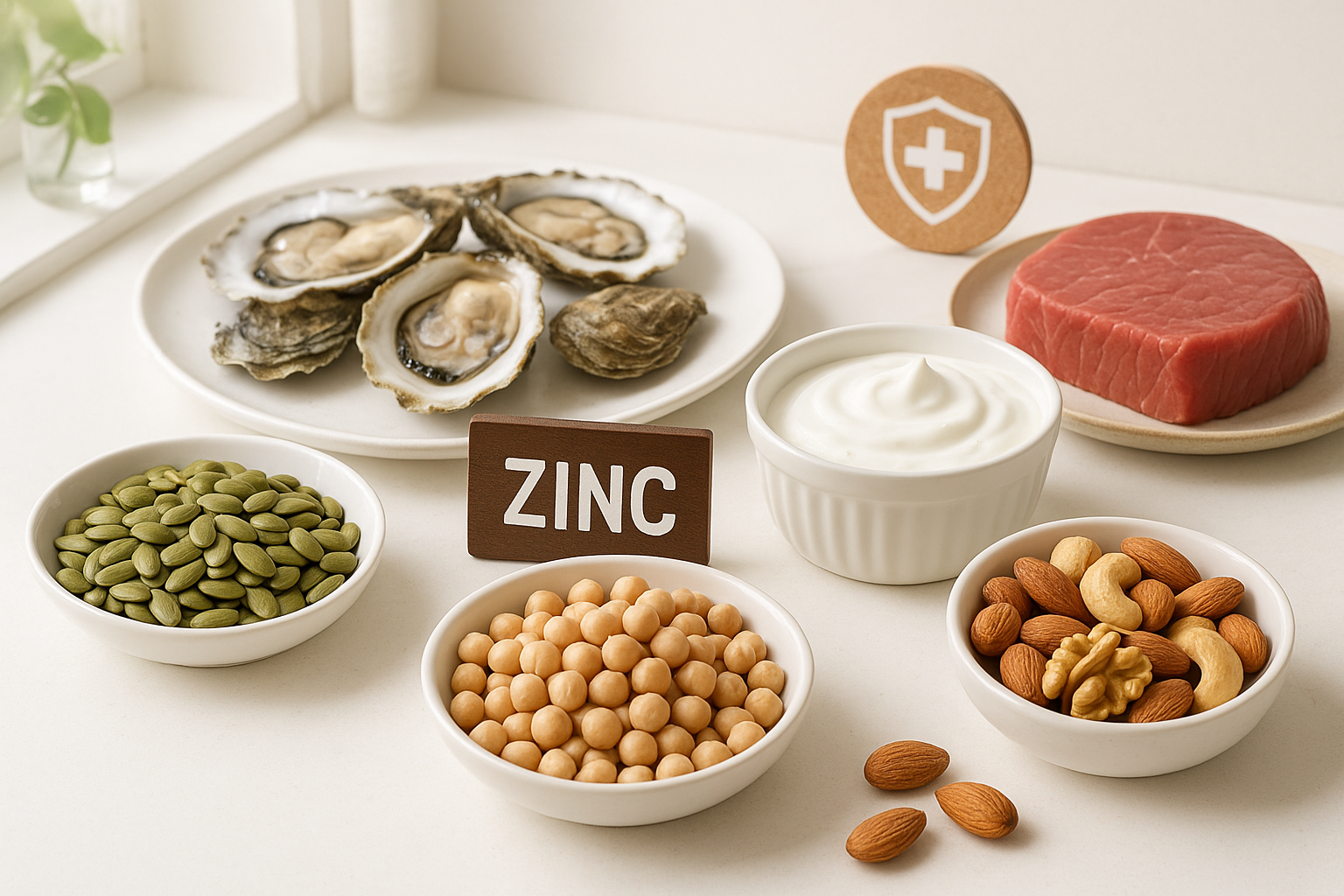
Zinc is found in both animal and plant foods. Good sources include:
- Oysters and other shellfish
- Beef, pork, and poultry
- Dairy foods such as yogurt and milk
- Eggs
- Beans, lentils, and chickpeas
- Pumpkin seeds, sesame seeds, hemp seeds, and nuts
- Whole grains
- Fortified breakfast cereals
Animal-based sources generally provide zinc in a more easily absorbed form. For plant-based diets, soaking, sprouting, fermenting, and leavening grains and legumes may help improve zinc availability.
Should you take a zinc supplement?
A supplement may be helpful for some people, but it is best to confirm the need with a healthcare professional. Too much zinc can cause nausea, stomach cramps, vomiting, diarrhea, headaches, and reduced copper absorption. Long-term high intake may lead to copper deficiency and immune or neurological problems.
Zinc supplements can also interact with certain antibiotics, penicillamine, and other medications. If you take prescription medicines, ask a pharmacist or clinician before starting zinc.
When to seek medical advice
Consider speaking with a healthcare professional if you have persistent zinc deficiency signs such as slow wound healing, recurrent infections, chronic diarrhea, unexplained hair loss, appetite loss, or changes in taste or smell. Testing and evaluation can help identify whether zinc, another nutrient deficiency, medication effects, or an underlying condition is involved.
Key takeaway
Zinc is a small but essential nutrient with a major role in immune health, tissue repair, growth, and normal taste and smell. Possible zinc deficiency signs include frequent infections, slow wound healing, skin changes, hair loss, appetite changes, diarrhea, and altered taste or smell. A varied diet with zinc-rich foods is the best starting point, while supplements should be used carefully and ideally with professional guidance.