
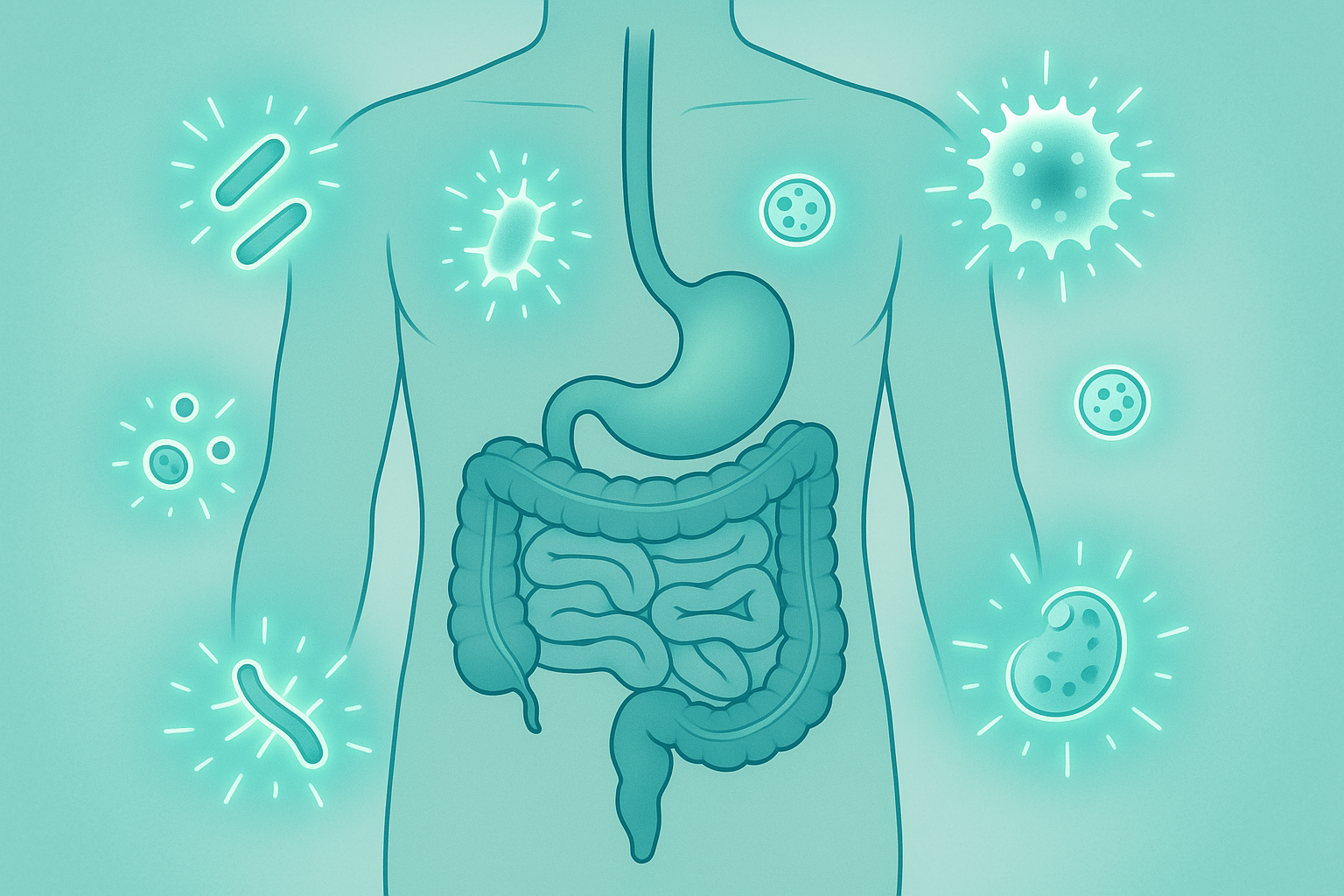
How Probiotics Support Immune Health Through the Gut Microbiome
How Probiotics Support Immune Health Through the Gut Microbiome
Probiotics are live microorganisms that, when consumed in adequate amounts, may provide health benefits. They are commonly found in fermented foods and dietary supplements. Interest in probiotics for immune health comes from the close relationship between the gut microbiome and the immune system.
Why the Gut Microbiome Matters for Immunity
The gut microbiome is the community of bacteria, yeasts, and other microorganisms living in the digestive tract. These microbes help digest certain nutrients, produce beneficial compounds, and interact with immune cells in the gut lining.
Because the digestive tract is constantly exposed to food particles, microbes, and environmental substances, the immune system in the gut must stay balanced. It needs to respond to potential threats while avoiding unnecessary inflammation. A healthy gut microbiome may help support this balance.
How Probiotics May Support Immune Health
Probiotics may support immune function in several ways:
1. Supporting Microbial Balance
A diverse and balanced microbiome can help limit the growth of less desirable microbes. Certain probiotic strains may compete for space and nutrients, helping maintain a healthier gut environment.

2. Supporting the Gut Barrier
The gut lining acts as a barrier between the digestive tract and the rest of the body. Some probiotics may help support the integrity of this barrier, which is important for normal immune function.
3. Influencing Immune Signaling
Probiotics can interact with immune cells in the gut. This may influence the production of signaling molecules involved in immune responses. The effects depend heavily on the specific probiotic strain, dose, and individual health status.
4. Producing Beneficial Compounds
Some beneficial bacteria help produce short-chain fatty acids and other compounds that support gut health. These compounds may also play a role in maintaining normal immune regulation.
Probiotic Foods vs. Supplements
Probiotics can be found in foods such as yogurt with live cultures, kefir, sauerkraut, kimchi, miso, and other fermented foods. However, not every fermented food contains live probiotics by the time it is eaten.
Probiotic supplements are typically labeled with specific strains and colony-forming units. Strain matters because benefits shown in research are usually linked to particular strains, not probiotics in general.
What to Look For in a Probiotic
When choosing a probiotic, consider the following:
- The specific strain listed on the label
- The amount of live organisms through the expiration date
- Whether the product has been studied for the intended use
- Storage instructions
- Third-party quality testing when available
More is not always better. A higher CFU count does not automatically mean a better product.
Who Should Be Cautious With Probiotics
Probiotics are generally considered safe for many healthy people, but they may not be appropriate for everyone. People with weakened immune systems, serious illnesses, central venous catheters, recent surgery, or complex medical conditions should speak with a healthcare professional before using probiotic supplements.
Bottom Line
Probiotics may support immune health by helping maintain a balanced gut microbiome, supporting gut barrier function, and influencing immune signaling. However, effects are strain-specific and vary from person to person. For best results, probiotics should be considered as part of a broader immune-supportive lifestyle that includes a nutrient-rich diet, adequate sleep, regular physical activity, and appropriate medical care.
References
NIH Office of Dietary Supplements: Probiotics Fact Sheet