
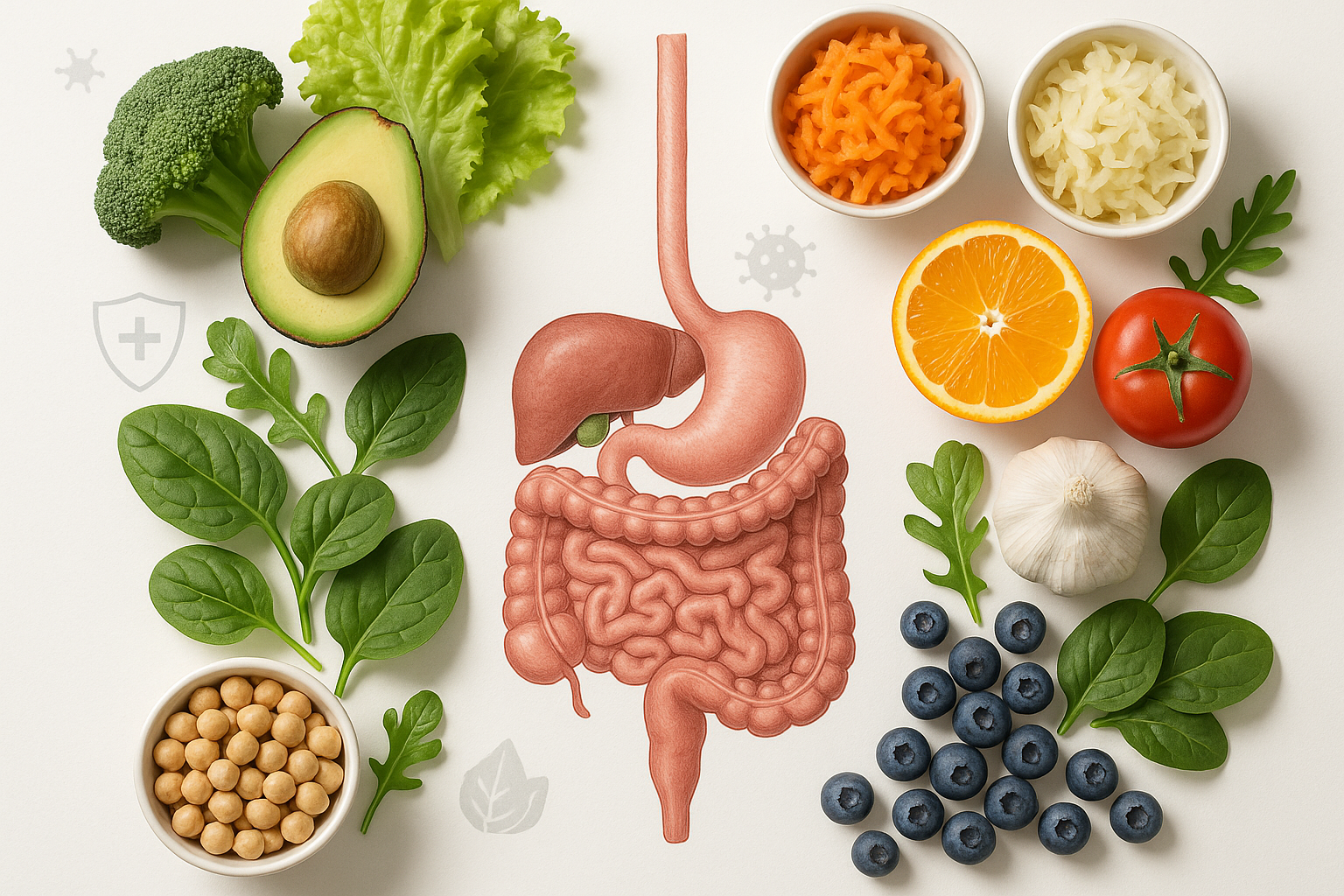
How Gut Health Influences Chronic Inflammation and Natural Ways to Restore Balance
How Gut Health Influences Chronic Inflammation and Natural Ways to Restore Balance
Gut health and inflammation are deeply linked because much of the immune system interacts with the digestive tract every day. Your gut is not only responsible for digesting food and absorbing nutrients; it also helps train immune responses, maintain a protective barrier, and communicate with the rest of the body through microbial metabolites, hormones, and immune signaling molecules.
When the gut environment is balanced, it can support normal immune regulation. When the gut microbiome is disrupted, the intestinal barrier is irritated, or dietary and lifestyle patterns promote immune stress, inflammation may become more persistent. Chronic low-grade inflammation is associated with many health concerns, so supporting gut health is one practical way to help the body maintain better inflammatory balance.
What Is the Gut Microbiome?
The gut microbiome is the community of bacteria, fungi, viruses, and other microorganisms that live mainly in the intestines. Many of these microbes are beneficial or neutral. They help break down dietary fibers, produce short-chain fatty acids, support immune function, and protect against harmful organisms.
A healthy gut microbiome is generally diverse and resilient. Diversity means many types of beneficial microbes are present. Resilience means the microbiome can recover after disruptions such as illness, stress, poor sleep, antibiotics, or dietary changes.
How Gut Health Affects Inflammation
The gut influences inflammation through several major pathways.

1. The Intestinal Barrier
The lining of the intestines acts as a selective barrier. It allows nutrients and water to pass into the bloodstream while helping keep harmful substances, pathogens, and toxins out. When this barrier is irritated or less effective, immune cells may be exposed to compounds that trigger inflammatory responses.
Barrier function can be influenced by diet quality, alcohol intake, infections, medications, chronic stress, sleep disruption, and underlying gastrointestinal conditions. Supporting the intestinal lining is one reason fiber, nutrient-dense foods, and healthy lifestyle habits matter.
2. Microbial Balance
An imbalanced microbiome, sometimes called dysbiosis, may involve reduced microbial diversity, fewer beneficial bacteria, or an overgrowth of less helpful organisms. Dysbiosis can influence immune signaling and may contribute to a more inflammatory internal environment.
This does not mean one single bacteria type is always good or bad. Microbiome health is complex and depends on the overall ecosystem, diet, genetics, medications, health status, and environment.
3. Short-Chain Fatty Acids
When gut bacteria ferment certain fibers, they produce short-chain fatty acids such as butyrate, acetate, and propionate. These compounds help nourish colon cells, support the gut barrier, and play a role in immune regulation.
A low-fiber diet can reduce the raw material beneficial microbes need to produce these compounds. Increasing fiber gradually from whole foods is one of the most reliable diet strategies for supporting gut health.
4. Immune System Communication
The gut contains a large portion of the body’s immune tissue. Gut microbes and immune cells constantly communicate. A balanced gut environment can help the immune system respond appropriately, while an irritated or disrupted gut may contribute to exaggerated or prolonged inflammatory signaling.
Signs Your Gut May Be Out of Balance
Possible signs of poor gut balance may include bloating, irregular bowel movements, frequent diarrhea or constipation, excessive gas, food intolerances, abdominal discomfort, fatigue, or symptoms that worsen with stress. These symptoms can have many causes, so persistent or severe symptoms should be evaluated by a healthcare professional.
Seek medical care promptly for red flags such as blood in the stool, unexplained weight loss, persistent vomiting, severe abdominal pain, ongoing fever, anemia, difficulty swallowing, or a major change in bowel habits.
Natural Ways to Support Gut Health and Inflammatory Balance
1. Eat More Fiber-Rich Whole Foods
Fiber is one of the most important nutrients for gut health. It feeds beneficial gut microbes and supports regular bowel movements. Good sources include beans, lentils, oats, barley, berries, apples, pears, vegetables, chia seeds, flaxseed, nuts, and whole grains.
Increase fiber gradually and drink enough water. A sudden large increase may cause bloating or gas, especially if your current intake is low.
2. Include Fermented Foods if Tolerated
Fermented foods such as yogurt with live cultures, kefir, sauerkraut, kimchi, miso, and tempeh may support microbial diversity for some people. Choose options with minimal added sugar and consider starting with small servings.
People with histamine intolerance, immune compromise, or certain digestive disorders may not tolerate all fermented foods well, so individual response matters.
3. Prioritize Polyphenol-Rich Foods
Polyphenols are plant compounds that interact with the gut microbiome and may support healthy inflammatory responses. Foods rich in polyphenols include berries, cocoa, green tea, olives, extra virgin olive oil, herbs, spices, colorful vegetables, and legumes.
A colorful diet usually provides a broader range of these compounds.
4. Limit Ultra-Processed Foods
Frequent intake of ultra-processed foods high in added sugars, refined starches, and low-quality fats may negatively affect gut microbial balance and inflammatory pathways. You do not need a perfect diet, but making whole foods the foundation of meals is a strong starting point.
A practical plate includes vegetables, protein, fiber-rich carbohydrates, healthy fats, and fermented or polyphenol-rich foods when appropriate.
5. Support the Gut With Omega-3 Fats
Omega-3 fatty acids from fatty fish such as salmon, sardines, trout, and anchovies are associated with healthier inflammatory balance. Plant sources such as walnuts, chia seeds, and flaxseed provide ALA, a plant-based omega-3.
If considering fish oil supplements, speak with a healthcare provider, especially if you take blood thinners, have surgery planned, or have a medical condition.
6. Manage Stress Consistently
Stress can affect gut motility, sensitivity, barrier function, and microbial balance through the gut-brain axis. Techniques such as walking, breathing exercises, mindfulness, yoga, journaling, therapy, and time outdoors may help regulate stress physiology.
Small daily practices are often more effective than occasional intense efforts.
7. Get Enough Sleep
Poor sleep can influence immune regulation, appetite hormones, blood sugar control, and gut microbial rhythms. Aim for a consistent sleep schedule, morning light exposure, a dark bedroom, and reduced screen exposure near bedtime.
If you snore heavily, wake up gasping, or feel exhausted despite enough hours in bed, ask a clinician about sleep disorders such as sleep apnea.
8. Use Antibiotics Responsibly
Antibiotics can be necessary and lifesaving, but they can also disrupt the microbiome. Use them only when prescribed and take them exactly as directed. If you experience significant diarrhea during or after antibiotics, contact a healthcare provider.
Ask your clinician whether probiotic foods or a specific probiotic supplement is appropriate for your situation.
9. Consider Probiotics Carefully
Probiotics may help some people with specific conditions, but benefits depend on the strain, dose, product quality, and individual health status. They are not a universal fix for gut health or inflammation.
People who are immunocompromised, critically ill, or have central venous catheters should not take probiotics unless supervised by a healthcare professional.
10. Identify Personal Food Triggers Without Over-Restricting
Some people feel better when they reduce specific triggers such as lactose, excess fructose, alcohol, or certain fermentable carbohydrates. However, overly restrictive diets can reduce microbial diversity and nutrient intake over time.
If symptoms are significant, consider working with a registered dietitian or healthcare provider rather than eliminating many foods on your own.
A Simple Gut-Supportive Daily Plan
Start the day with oats, berries, chia seeds, and yogurt or a dairy-free alternative with live cultures if tolerated. Build lunch around vegetables, beans or lentils, olive oil, and a whole grain. Choose a dinner that includes colorful vegetables, protein, and a fiber-rich carbohydrate such as sweet potato, quinoa, or brown rice. Add fermented foods in small amounts if they agree with you. Drink water, move your body, and keep a consistent sleep routine.
The Bottom Line
Gut health and inflammation are connected through the microbiome, intestinal barrier, immune system, and lifestyle patterns. While no single food or supplement can eliminate chronic inflammation, consistent habits can help restore balance. Focus on fiber-rich whole foods, diverse plants, fermented foods if tolerated, stress management, quality sleep, regular movement, and appropriate medical guidance when symptoms persist.
References
NIH NCCIH: Probiotics, What You Need To Know
PubMed: Gut microbiota regulation of intestinal inflammation