
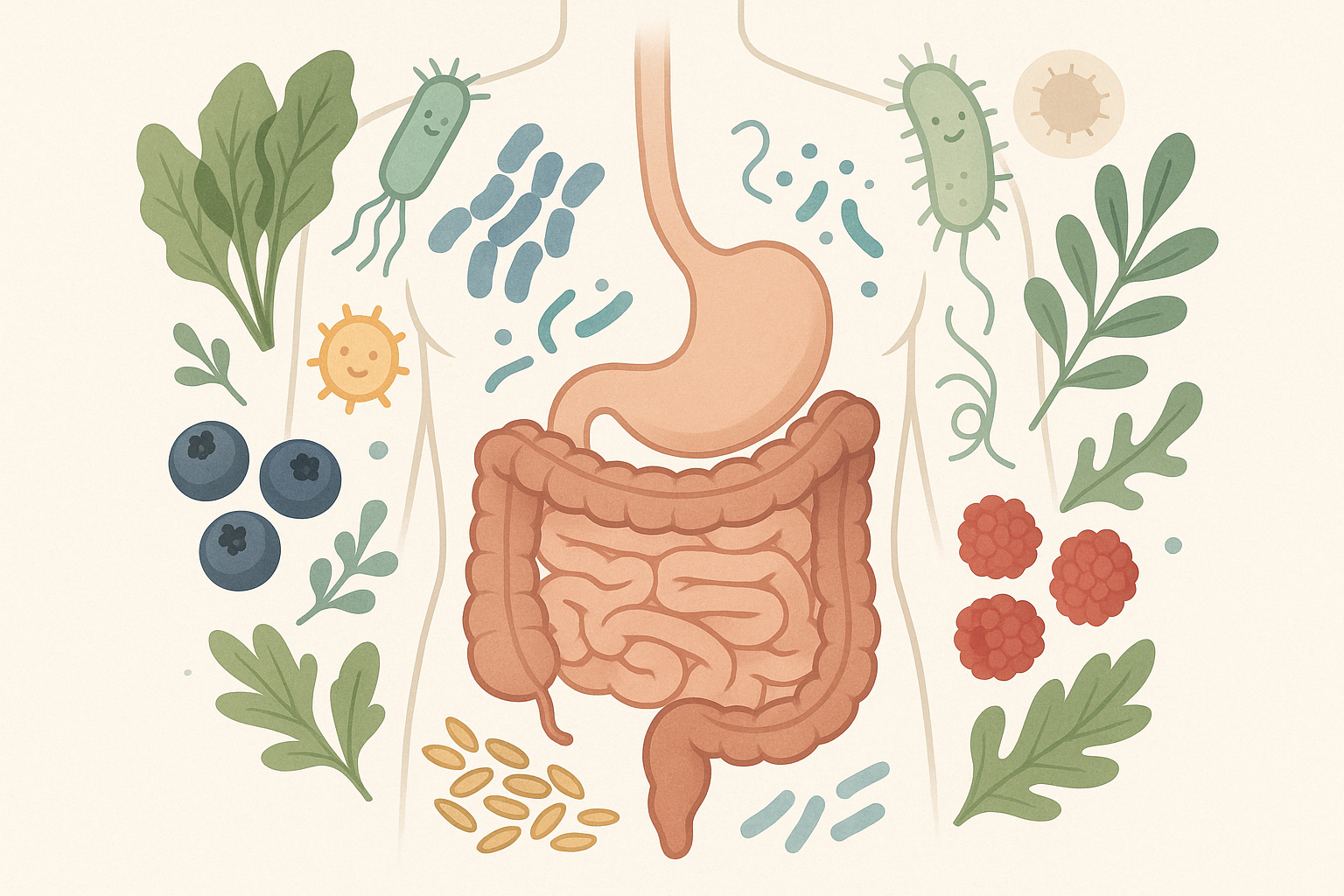
The Gut Inflammation Connection and How to Support a Healthier Microbiome
The Gut Inflammation Connection and How to Support a Healthier Microbiome
Gut health and inflammation are deeply connected. The gut is not just where food is digested; it is also a major immune organ and home to the gut microbiome, a community of bacteria, fungi, viruses, and other microorganisms that interact with the immune system every day.
When the gut microbiome is diverse and balanced, it can help support digestion, maintain the intestinal barrier, produce beneficial compounds, and influence normal immune responses. When that balance is disrupted, it may contribute to irritation, altered immune signaling, and inflammation-related digestive symptoms in some people.
What Is the Gut Microbiome?
The gut microbiome refers to the microorganisms living primarily in the intestines. These microbes help break down certain fibers, produce short-chain fatty acids, support vitamin metabolism, and communicate with the immune system.
A healthy microbiome is often described as diverse, resilient, and balanced. Diversity matters because different microbes perform different functions. A less diverse microbiome may be less able to adapt to dietary changes, infections, medications, stress, or other challenges.
How Gut Health and Inflammation Are Connected
Inflammation is a normal immune response that helps the body respond to injury or infection. However, ongoing or poorly regulated inflammation can affect tissue health and may play a role in many chronic conditions.

In the gut, inflammation can be influenced by several overlapping factors:
- The strength of the intestinal barrier
- The balance of beneficial and potentially harmful microbes
- Diet quality and fiber intake
- Immune system activity
- Stress and sleep patterns
- Certain medications, infections, or underlying medical conditions
The intestinal lining acts as a selective barrier. It helps absorb nutrients while limiting the passage of unwanted substances. When this barrier is irritated or impaired, immune cells in the gut may become more reactive. The microbiome can also influence this process by producing compounds that either support barrier function or contribute to inflammatory signaling.
Signs Your Gut May Need Support
Digestive symptoms can have many causes, and not all are related to the microbiome. Still, signs that may suggest your gut needs attention include:
- Frequent bloating or gas
- Irregular bowel habits
- Ongoing abdominal discomfort
- Food-related digestive upset
- Changes after antibiotics or illness
- Symptoms that worsen with stress
Seek medical care promptly for red flags such as blood in the stool, unexplained weight loss, persistent vomiting, severe abdominal pain, fever, anemia, difficulty swallowing, or a major change in bowel habits.
Foods That Support a Healthier Microbiome
Diet is one of the most practical ways to support gut health. The goal is not to eat perfectly, but to build a consistent pattern that feeds beneficial microbes and supports normal inflammatory balance.
1. Eat More Fiber-Rich Plant Foods
Dietary fiber is a major fuel source for beneficial gut bacteria. When microbes ferment certain fibers, they produce short-chain fatty acids such as butyrate, which helps support the cells lining the colon.
Helpful fiber-rich foods include:
- Beans, lentils, and chickpeas
- Oats, barley, and whole grains
- Apples, pears, and berries
- Broccoli, artichokes, onions, and leafy greens
- Nuts and seeds
Increase fiber gradually and drink enough water to reduce the chance of bloating or discomfort.
2. Include Fermented Foods If Tolerated
Fermented foods may introduce beneficial microbes or microbial byproducts. Options include yogurt with live and active cultures, kefir, sauerkraut, kimchi, miso, and tempeh.
People with certain digestive disorders may not tolerate every fermented food well, so it is reasonable to start small and track symptoms.
3. Choose Polyphenol-Rich Foods
Polyphenols are plant compounds that may interact with the microbiome and support antioxidant and immune pathways. Good sources include berries, cocoa, green tea, olive oil, herbs, spices, and colorful vegetables.
4. Limit Ultra-Processed Foods
A pattern high in ultra-processed foods, added sugars, and low fiber may be less supportive of microbiome diversity. You do not need to eliminate every packaged food, but it helps to make whole or minimally processed foods the foundation of most meals.
Lifestyle Habits That Influence Gut Inflammation
Food matters, but it is not the only factor. The gut and immune system are also shaped by sleep, stress, movement, and medication use.
Prioritize Sleep
Poor or inconsistent sleep can affect immune regulation and digestive rhythms. Aim for a regular sleep schedule when possible and create a wind-down routine that supports high-quality rest.
Manage Stress
The gut and brain communicate through the gut-brain axis. Stress can influence motility, sensitivity, and immune signaling in the gut. Breathing exercises, walking, therapy, mindfulness, and time outdoors may all help reduce stress load.
Move Regularly
Regular physical activity is associated with better metabolic and immune health. Moderate activities such as brisk walking, cycling, resistance training, or swimming can support overall inflammatory balance.
Use Antibiotics Only When Needed
Antibiotics can be lifesaving when medically necessary, but they can also disrupt the gut microbiome. Use them only as prescribed and ask your healthcare professional how to support recovery afterward.
What About Probiotics and Prebiotics?
Probiotics are live microorganisms that may provide a health benefit when taken in adequate amounts. Prebiotics are substances, often fibers, that feed beneficial microbes.
A probiotic can be helpful in specific situations, but benefits depend on the strain, dose, and reason for use. More is not always better, and not every probiotic is appropriate for every person. People who are immunocompromised, critically ill, or have complex medical conditions should speak with a clinician before taking probiotics.
Prebiotics can often be obtained through food, especially legumes, oats, onions, garlic, asparagus, bananas, and other fiber-rich plants.
A Simple Gut-Supportive Plate
A practical meal pattern for gut health and inflammation might include:
- Half the plate: colorful vegetables or fruit
- One quarter: high-fiber carbohydrates such as beans, lentils, oats, quinoa, or potatoes with skin
- One quarter: protein such as fish, poultry, eggs, tofu, tempeh, yogurt, or legumes
- Added fats: olive oil, avocado, nuts, or seeds
- Optional: fermented food if tolerated
When to Talk to a Healthcare Professional
Because digestive symptoms can overlap across many conditions, it is important not to self-diagnose persistent gut problems. A healthcare professional can evaluate symptoms, review medications, check for nutrient deficiencies, and determine whether testing or treatment is needed.
This is especially important if symptoms are severe, persistent, worsening, or associated with red flags such as bleeding, weight loss, fever, or anemia.
Key Takeaway
The relationship between gut health and inflammation is complex, but everyday habits can make a meaningful difference. A diverse, fiber-rich diet, fermented foods when tolerated, regular movement, quality sleep, stress management, and appropriate medical care all help support a healthier microbiome and better digestive resilience.
References
NIH: The gut microbiome and human health