
Common Signs of B Vitamin Deficiency and Food Based Ways to Replenish Them
Common Signs of B Vitamin Deficiency and Food Based Ways to Replenish Them
B vitamins are a family of water soluble nutrients that support energy metabolism, red blood cell formation, nerve function, DNA production, healthy skin, and normal brain function. Since the body does not store most B vitamins in large amounts, regular intake from food is important.
The most common B vitamins are thiamin B1, riboflavin B2, niacin B3, pantothenic acid B5, vitamin B6, biotin B7, folate B9, and vitamin B12. Deficiency can happen from low intake, alcohol use, digestive disorders, certain medications, pregnancy, older age, vegan or highly restricted diets, or conditions that reduce absorption.
Common b vitamin deficiency signs
Many deficiency signs are general and can be caused by other conditions. Still, the following symptoms may suggest that B vitamin status should be evaluated.
Fatigue, weakness, or low stamina
Several B vitamins help convert carbohydrates, fats, and proteins into usable energy. Folate and vitamin B12 are also needed for healthy red blood cell formation. Low levels may contribute to tiredness, shortness of breath with exertion, weakness, or reduced exercise tolerance.
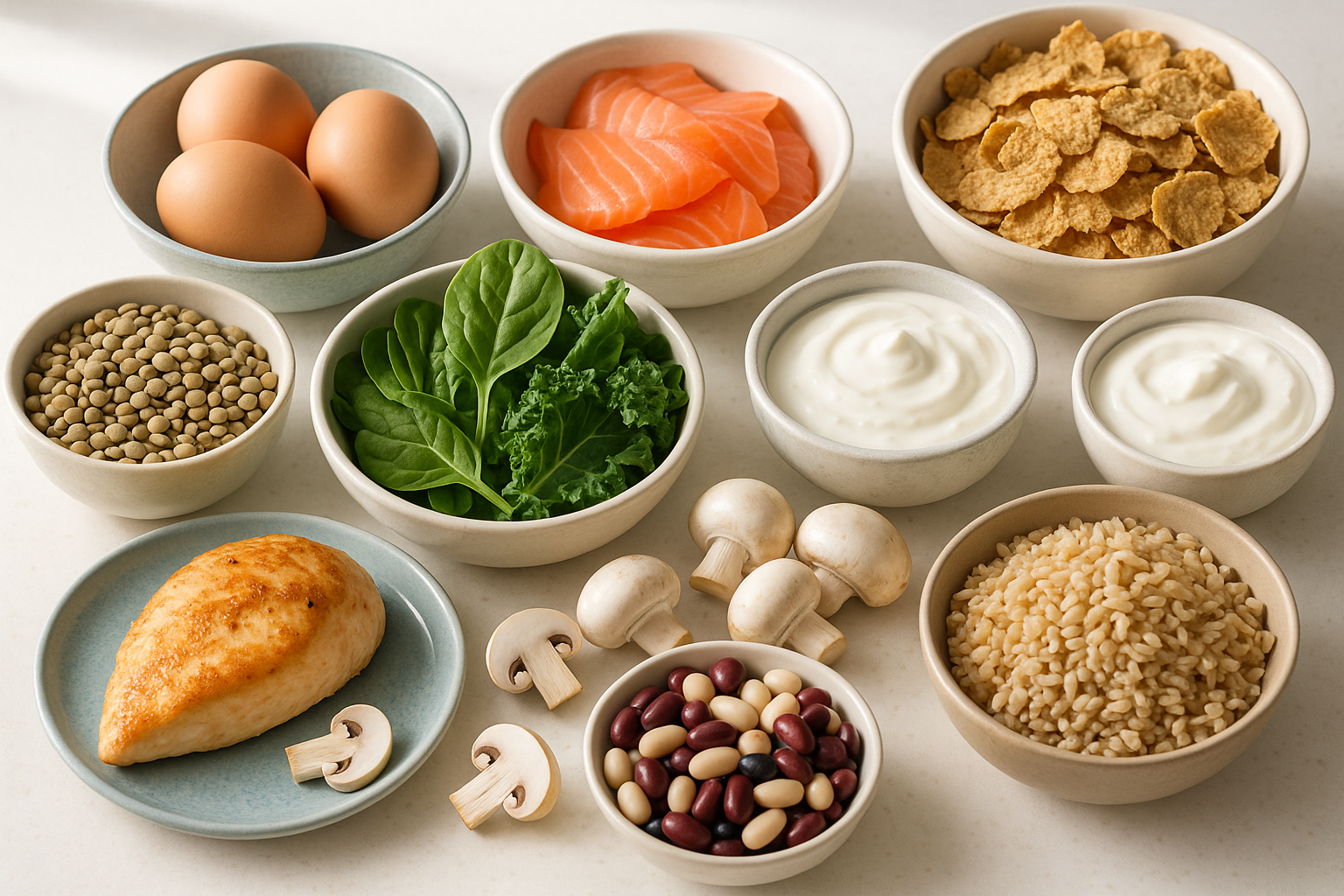
Food based support: eggs, dairy, fish, poultry, lean meats, legumes, whole grains, fortified cereals, leafy greens, and nutritional yeast.

Numbness, tingling, burning sensations, or balance problems
Vitamin B12 and vitamin B6 are closely linked to nerve health. B12 deficiency can cause tingling in the hands or feet, numbness, balance changes, memory issues, and in severe cases nerve damage. Too much supplemental B6 can also cause nerve symptoms, so high dose supplementation should be supervised.
Food based support: vitamin B12 is found naturally in animal foods such as fish, shellfish, meat, poultry, eggs, and dairy. Fortified foods may help people who eat little or no animal products.
Pale skin, dizziness, or rapid heartbeat
Folate or B12 deficiency can lead to megaloblastic anemia, a condition in which red blood cells are large and do not function normally. Possible signs include pale skin, dizziness, shortness of breath, fast heartbeat, and fatigue.
Food based support: folate rich foods include spinach, romaine, asparagus, Brussels sprouts, beans, lentils, peas, avocado, oranges, and fortified grains. B12 foods include fish, meat, eggs, dairy, and fortified products.
Mouth cracks, sore tongue, or mouth ulcers
Low riboflavin B2, niacin B3, folate B9, B6, or B12 may contribute to mouth related symptoms such as cracks at the corners of the mouth, a swollen or sore tongue, burning mouth sensation, or recurring mouth sores.
Food based support: milk, yogurt, eggs, almonds, mushrooms, poultry, fish, legumes, leafy greens, and fortified grains.
Skin rashes, scaling, or dermatitis like changes
Biotin B7, riboflavin B2, niacin B3, and B6 help maintain healthy skin. Deficiency can sometimes appear as scaly rashes, dermatitis around the mouth or nose, skin irritation, or changes in hair and nails.
Food based support: eggs that are cooked, salmon, tuna, pork, sunflower seeds, sweet potatoes, almonds, peanuts, legumes, mushrooms, and whole grains.
Mood changes, irritability, confusion, or memory concerns
B vitamins help support neurotransmitter production and normal brain function. Deficiency in B12, folate, niacin, thiamin, or B6 may contribute to irritability, low mood, confusion, concentration problems, or memory concerns. These symptoms require medical evaluation because many causes are possible.
Food based support: fish, eggs, dairy, poultry, lentils, beans, leafy greens, fortified cereals, oats, and seeds.
Loss of appetite, nausea, or digestive changes
Thiamin, niacin, folate, and B12 deficiencies may be associated with appetite changes, nausea, digestive discomfort, diarrhea, or unintended weight changes. Digestive diseases can also cause deficiency by reducing absorption.
Food based support: balanced meals with whole grains, legumes, nuts, seeds, eggs, dairy, lean proteins, leafy greens, and fortified foods.
Which people are at higher risk?
You may be more likely to develop a B vitamin deficiency if you follow a vegan diet without reliable B12 fortified foods or supplements, drink heavy amounts of alcohol, are pregnant or trying to conceive, are an older adult, have celiac disease, Crohn’s disease, bariatric surgery, or chronic digestive symptoms, take metformin or long term acid reducing medications, have kidney disease, or eat a very limited diet.
Food based ways to replenish B vitamins
A food first approach can help many people maintain healthy B vitamin intake, though diagnosed deficiencies may require supplements or injections.
Build meals around varied protein foods
Animal proteins such as fish, poultry, meat, eggs, milk, and yogurt provide several B vitamins, especially B12, riboflavin, niacin, and B6. Plant proteins such as lentils, beans, peas, tofu, nuts, and seeds provide folate, thiamin, niacin, and B6.
Include leafy greens and legumes often
Spinach, kale, romaine, asparagus, Brussels sprouts, lentils, black beans, chickpeas, and peas are especially helpful for folate. Folate is important before and during pregnancy, but anyone with possible deficiency should discuss testing and supplementation needs with a clinician.
Choose whole grains and fortified grains
Oats, brown rice, whole wheat, barley, and fortified cereals or breads can provide thiamin, riboflavin, niacin, folate, and sometimes B12. Fortified foods are especially useful for people who eat little or no animal products.
Do not overlook B12 if you eat plant based
Vitamin B12 is naturally concentrated in animal foods. People following vegan diets usually need dependable B12 from fortified foods or supplements. Seaweed, spirulina, and fermented foods are not considered reliable B12 sources.
Cook and store foods wisely
Because B vitamins are water soluble, some can be lost into cooking water. Use gentle cooking methods when practical, such as steaming vegetables, using soups or stews where cooking liquid is consumed, and avoiding excessive boiling.
When to seek medical care
Contact a healthcare professional if you have persistent fatigue, numbness or tingling, balance problems, confusion, rapid heartbeat, shortness of breath, mouth or tongue changes, unexplained weight loss, or symptoms of anemia. Testing may include a complete blood count and specific nutrient markers such as vitamin B12, methylmalonic acid, folate, or other labs depending on symptoms.
Seek urgent care for severe weakness, chest pain, fainting, severe confusion, sudden neurologic symptoms, or shortness of breath at rest.
Key takeaway
B vitamin deficiency signs can include fatigue, anemia symptoms, nerve changes, mouth soreness, skin issues, mood changes, and digestive symptoms. A varied diet with fish, eggs, dairy, legumes, leafy greens, whole grains, nuts, seeds, and fortified foods can support healthy intake, but persistent symptoms or high risk situations deserve medical evaluation.
References
NIH Office of Dietary Supplements: Vitamin B12