
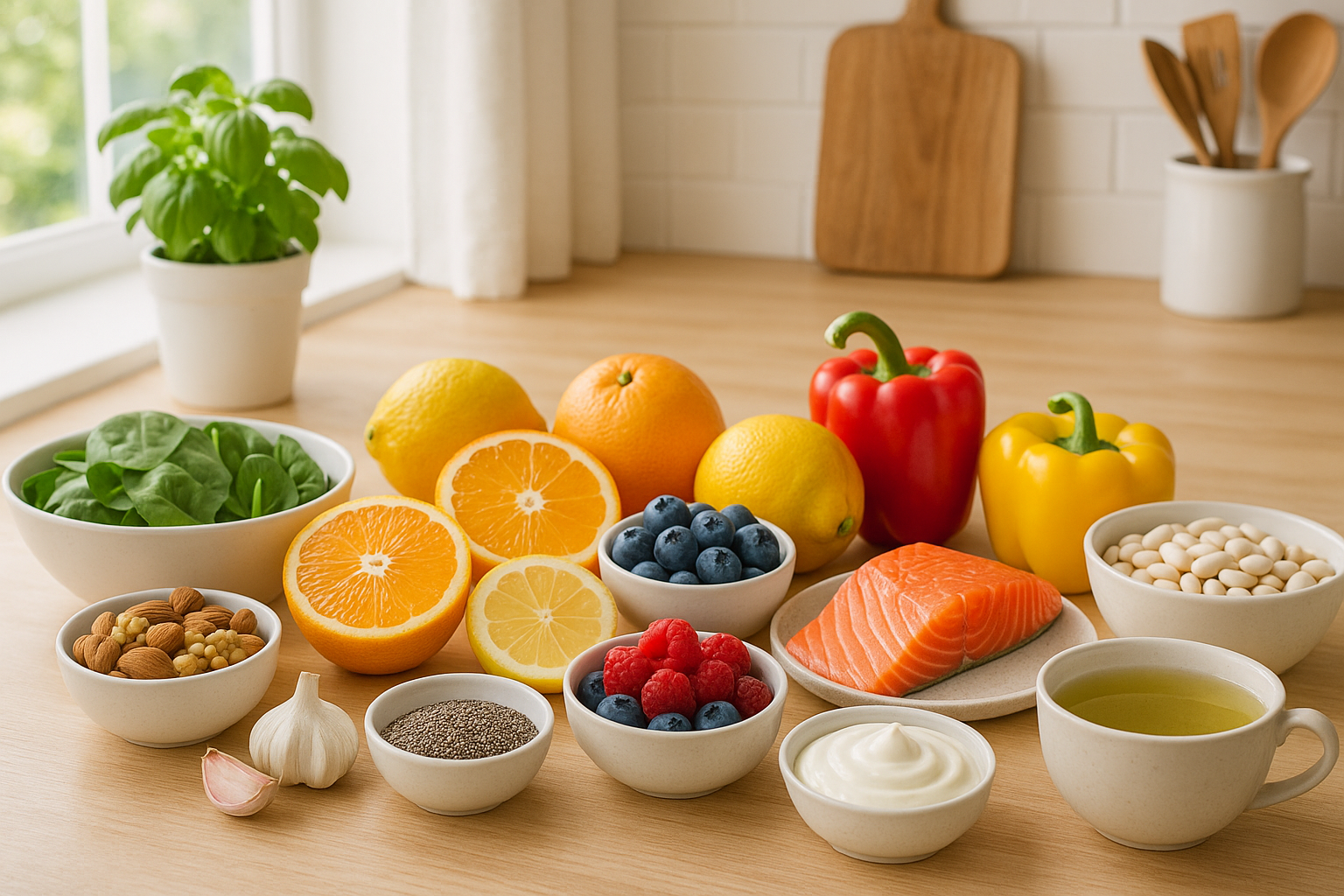
Nutrient-Rich Foods That Support a Strong Immune System Naturally
Nutrient-Rich Foods That Support a Strong Immune System Naturally
The immune system is a complex network of cells, tissues, and organs that helps protect the body from infections and supports recovery. Nutrition plays an important role because immune cells require steady supplies of energy, protein, vitamins, minerals, and other bioactive compounds.
The best approach is not relying on one miracle ingredient. Instead, focus on a balanced eating pattern built around colorful plants, quality protein, healthy fats, and minimally processed foods. These foods that support immune health work best as part of an overall healthy lifestyle.
What Makes a Food Supportive of Immune Health?
Foods can support immune function when they provide nutrients involved in immune cell production, barrier function, inflammation regulation, and antioxidant defense. Key nutrients include vitamin C, vitamin D, vitamin A, vitamin E, zinc, selenium, iron, protein, omega-3 fats, and fiber.
A healthy gut also matters. Much of the immune system interacts with the digestive tract, and fiber-rich and fermented foods can help support a diverse gut microbiome.
1. Citrus Fruits and Other Vitamin C-Rich Produce
Vitamin C supports normal immune function and acts as an antioxidant. It also helps the body absorb non-heme iron from plant foods.

Good choices include oranges, grapefruit, lemons, limes, kiwi, strawberries, papaya, and cantaloupe. Vegetables can be excellent sources too, especially red bell peppers, broccoli, Brussels sprouts, and potatoes.
Practical tip: Add berries or kiwi to breakfast, snack on bell pepper strips, or squeeze lemon over lentils and leafy greens.
2. Leafy Greens and Colorful Vegetables
Leafy greens such as spinach, kale, collards, arugula, and Swiss chard provide folate, vitamin C, vitamin K, carotenoids, magnesium, and fiber. Orange and red vegetables such as carrots, sweet potatoes, pumpkin, and red peppers provide carotenoids, which the body can convert into vitamin A.
Vitamin A helps maintain healthy skin and mucous membranes, which are important physical barriers against pathogens.
Practical tip: Aim to fill half your plate with vegetables at meals, mixing leafy greens with bright orange, red, purple, and cruciferous vegetables.
3. Protein-Rich Foods for Immune Cell Function
Protein is essential for building and repairing tissues, making antibodies, and supporting immune cell activity. Both animal and plant proteins can fit into an immune-supportive diet.
Good choices include fish, poultry, eggs, Greek yogurt, cottage cheese, beans, lentils, chickpeas, tofu, tempeh, nuts, and seeds.
Practical tip: Include a protein source at each meal. For example, pair oatmeal with Greek yogurt, add beans to salads, or include fish with vegetables and whole grains.
4. Fatty Fish and Omega-3 Fats
Fatty fish provide high-quality protein, vitamin D, selenium, and omega-3 fatty acids. Omega-3 fats are involved in inflammatory pathways and overall health.
Good choices include salmon, sardines, trout, mackerel, and herring. For plant-based omega-3s, choose chia seeds, ground flaxseed, hemp seeds, and walnuts.
Practical tip: Try fatty fish twice per week if it fits your diet. If you do not eat fish, include plant omega-3 sources regularly and discuss supplementation with a healthcare professional if needed.
5. Yogurt, Kefir, and Fermented Foods
Fermented foods may help support gut health by providing live cultures, depending on the product. A healthy gut environment is closely connected to immune regulation.
Good choices include yogurt with live and active cultures, kefir, sauerkraut, kimchi, miso, and tempeh. Choose lower-sugar options when possible.
Practical tip: Use plain yogurt as a base for breakfast bowls, smoothies, or savory sauces with herbs and lemon.
6. Beans, Lentils, and Whole Grains
Beans, lentils, peas, oats, barley, quinoa, brown rice, and whole wheat provide fiber, B vitamins, magnesium, zinc, iron, and plant-based protein. Fiber helps nourish beneficial gut bacteria, which produce compounds that support gut barrier health.
Practical tip: Build simple meals with a whole grain, a legume, vegetables, and a healthy fat, such as a lentil quinoa bowl with roasted vegetables and olive oil dressing.
7. Nuts and Seeds
Nuts and seeds provide vitamin E, zinc, selenium, magnesium, healthy fats, and plant protein. Vitamin E is an antioxidant that helps protect cells from oxidative stress.
Good choices include almonds, sunflower seeds, pumpkin seeds, walnuts, Brazil nuts, chia seeds, hemp seeds, and ground flaxseed.
Practical tip: Add a small handful of nuts or seeds to oatmeal, salads, yogurt, or roasted vegetables.
8. Garlic, Onions, Herbs, and Spices
Garlic, onions, leeks, ginger, turmeric, oregano, thyme, and other herbs and spices contribute flavorful plant compounds. They also help reduce the need for excess salt, sugar, or heavy sauces.
These foods are not cures, but they can be part of a nutrient-dense eating pattern that supports overall wellness.
Practical tip: Cook soups, beans, vegetables, and proteins with garlic, onions, herbs, and spices to improve both taste and nutrition.
9. Vitamin D Food Sources
Vitamin D supports immune function, bone health, and many metabolic processes. Food sources are more limited than with many other nutrients.
Good choices include fatty fish, egg yolks, fortified milk, fortified plant milks, and fortified cereals. Sun exposure can also contribute to vitamin D status, but needs vary based on skin tone, geography, season, clothing, sunscreen use, and health conditions.
Practical tip: If you are concerned about low vitamin D, ask a healthcare professional about testing and whether supplementation is appropriate.
10. Hydrating Foods and Fluids
Hydration supports circulation, temperature regulation, digestion, and mucous membrane health. Water is the best everyday choice, but unsweetened tea, broth-based soups, fruits, and vegetables can also contribute.
Good hydrating foods include cucumbers, oranges, melon, berries, tomatoes, lettuce, celery, and soups.
Practical tip: Keep water available during the day and include produce at snacks and meals.
Simple Immune-Supportive Meal Ideas
Breakfast: Greek yogurt with berries, ground flaxseed, and walnuts.
Lunch: Lentil soup with spinach, carrots, garlic, onions, and a side of citrus fruit.
Dinner: Salmon with roasted sweet potatoes, broccoli, and olive oil lemon dressing.
Snack: Bell pepper strips with hummus or an orange with pumpkin seeds.
Plant-based option: Tofu stir-fry with broccoli, mushrooms, ginger, garlic, brown rice, and sesame seeds.
Foods and Habits to Limit
An immune-supportive diet is also about what you do not rely on too heavily. Limit frequent intake of sugary drinks, highly processed snacks, excessive alcohol, and diets that are too low in protein or calories. These patterns can crowd out nutrient-rich foods and may make it harder to meet daily nutrient needs.
Bottom Line
The best foods that support immune health are everyday whole foods: colorful fruits and vegetables, protein-rich foods, legumes, whole grains, nuts, seeds, fermented foods, and healthy fats. Rather than focusing on a single superfood, build a consistent pattern of nutrient-rich meals that supports your immune system naturally over time.
References
NIH Office of Dietary Supplements: Vitamin C