
The Gut Inflammation Connection and Foods That Support a Calmer Digestive System
The Gut Inflammation Connection and Foods That Support a Calmer Digestive System
Gut health and inflammation are linked through the immune system, the gut microbiome, and the intestinal barrier. Your digestive tract is not only responsible for breaking down food; it also helps decide what should be absorbed, what should be kept out, and how strongly the immune system should respond.
Inflammation is not always bad. Short-term inflammation is part of normal healing and immune defense. Problems can arise when inflammation becomes ongoing, excessive, or triggered by factors such as infections, certain diseases, poor dietary patterns, chronic stress, alcohol overuse, smoking, or individual food intolerances.
How the gut and inflammation are connected
The lining of the digestive tract acts as a selective barrier. It allows nutrients and fluids to pass into the body while helping block harmful substances. A diverse community of bacteria, fungi, and other microbes also lives in the gut. Many of these microbes help digest fiber, produce beneficial compounds, and interact with immune cells.
When this system is disrupted, the gut may become more reactive. Common contributors include a low-fiber diet, frequent ultra-processed foods, high alcohol intake, inadequate sleep, stress, infections, and some medications. In people with conditions such as inflammatory bowel disease, celiac disease, or irritable bowel syndrome, symptoms may require medical evaluation and individualized care.
Signs your digestive system may be irritated
Digestive irritation can look different from person to person. Common symptoms include bloating, gas, abdominal discomfort, diarrhea, constipation, nausea, or changes in stool pattern. Occasional symptoms are common, but persistent or worsening symptoms should not be ignored.

Seek medical guidance promptly if you notice blood in the stool, black stools, unexplained weight loss, fever, severe pain, persistent vomiting, dehydration, anemia, or symptoms that wake you at night.
Foods that may support a calmer gut
A gut-supportive diet is usually built around whole, minimally processed foods. The goal is not to follow a restrictive plan, but to provide fiber, micronutrients, and beneficial plant compounds while reducing common dietary triggers.
1. Fiber-rich plant foods
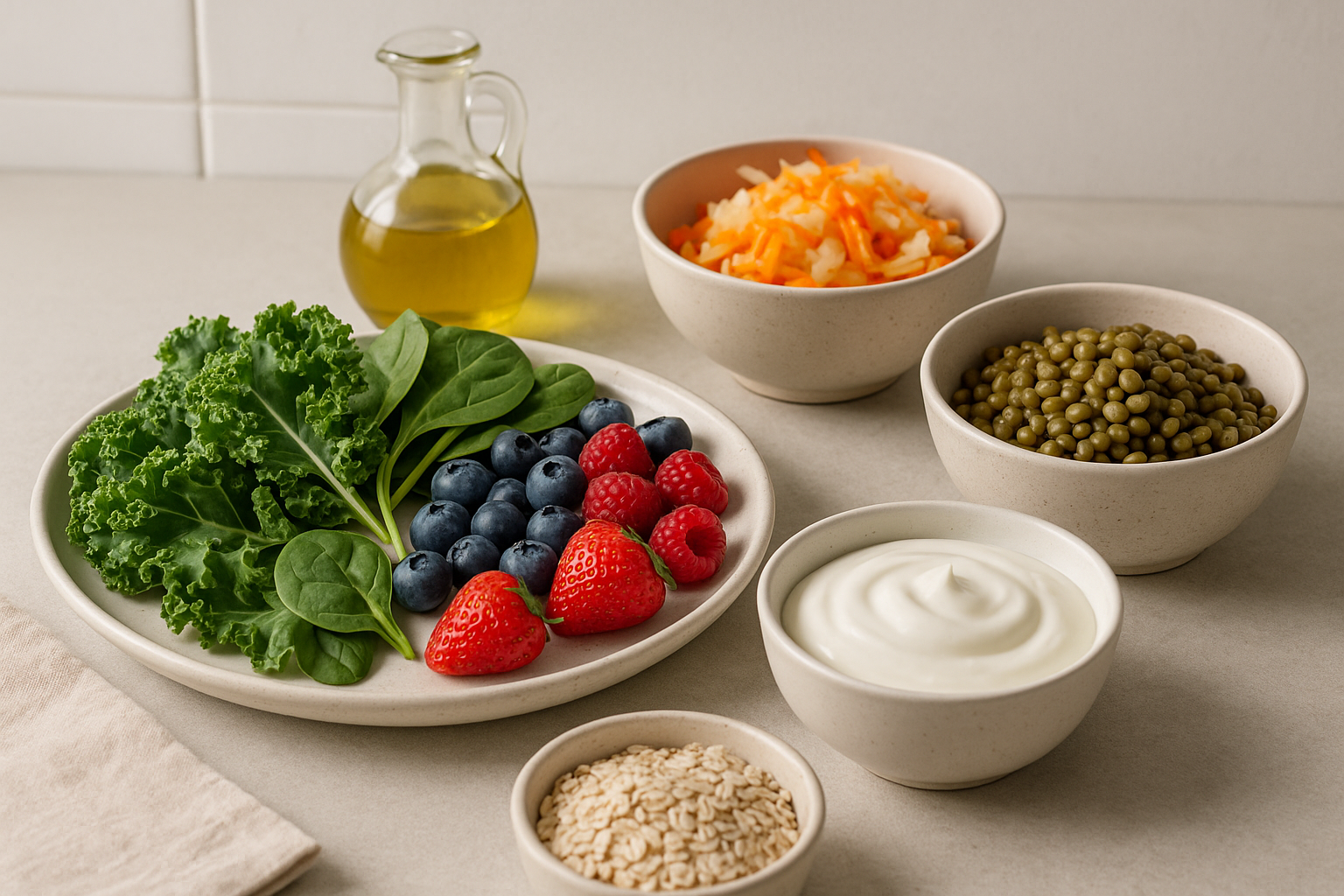
Fiber feeds beneficial gut bacteria and supports regular bowel movements. Good sources include oats, barley, beans, lentils, chickpeas, berries, apples, pears, vegetables, nuts, seeds, and whole grains. If you are not used to eating much fiber, increase intake gradually and drink enough fluids to reduce gas or bloating.
2. Fermented foods with live cultures
Fermented foods may help support microbial diversity for some people. Options include yogurt with live and active cultures, kefir, sauerkraut, kimchi, miso, and tempeh. Choose lower-sugar options when possible. People who are immunocompromised or medically fragile should ask a healthcare professional before using unpasteurized fermented foods.
3. Omega-3 rich foods
Fatty fish such as salmon, sardines, trout, and mackerel provide omega-3 fatty acids, which are associated with healthy inflammatory responses. Plant sources such as chia seeds, flaxseeds, and walnuts provide ALA, a plant omega-3. Supplements should be discussed with a clinician, especially if you take blood thinners or have surgery planned.
4. Colorful fruits and vegetables
Colorful produce provides polyphenols, antioxidants, vitamins, minerals, and fiber. Berries, leafy greens, carrots, peppers, squash, citrus, broccoli, and herbs can all contribute to a gut-supportive pattern. Variety matters because different plant foods nourish different microbial communities.
5. Healthy fats
Extra-virgin olive oil, avocados, nuts, and seeds can help replace less healthful fats in the diet. These foods are common in Mediterranean-style eating patterns, which are often associated with better cardiometabolic and inflammatory markers.
6. Adequate protein
Protein helps maintain tissue repair, immune function, and satiety. Good choices include fish, poultry, eggs, tofu, tempeh, legumes, Greek yogurt, and lean meats. If you have kidney disease or another medical condition requiring protein limits, follow your clinician’s guidance.
Foods and habits that may worsen gut irritation
Some people feel worse after large amounts of ultra-processed foods, fried foods, alcohol, high-sugar beverages, or very high-fat meals. Others may react to specific foods such as lactose, gluten, onions, garlic, beans, or certain sweeteners. These reactions are individual and do not mean everyone needs to avoid those foods.
Instead of removing many foods at once, consider keeping a short food and symptom journal. If symptoms are ongoing, work with a registered dietitian or healthcare professional to identify patterns without creating unnecessary restriction.
A simple gut-calming plate
A practical plate might include one-half vegetables or fruit, one-quarter protein, and one-quarter whole grains or starchy vegetables, plus a small amount of healthy fat. For example: salmon with quinoa, sautéed greens, roasted carrots, olive oil, and berries; or lentil soup with vegetables, whole-grain toast, yogurt, and fruit.
Lifestyle factors also matter
Food is important, but it is not the only influence on gut inflammation. Sleep, stress management, physical activity, hydration, medication use, and smoking status can all affect digestive health. Gentle walking after meals, consistent sleep timing, and stress-reduction practices may support digestion for many people.
Bottom line
The connection between gut health and inflammation is shaped by the gut lining, immune system, and microbiome. A calmer digestive system is often supported by a consistent pattern of fiber-rich plants, fermented foods, omega-3 sources, healthy fats, adequate protein, and fewer ultra-processed foods. If symptoms are persistent, severe, or unusual, medical evaluation is the safest next step.