
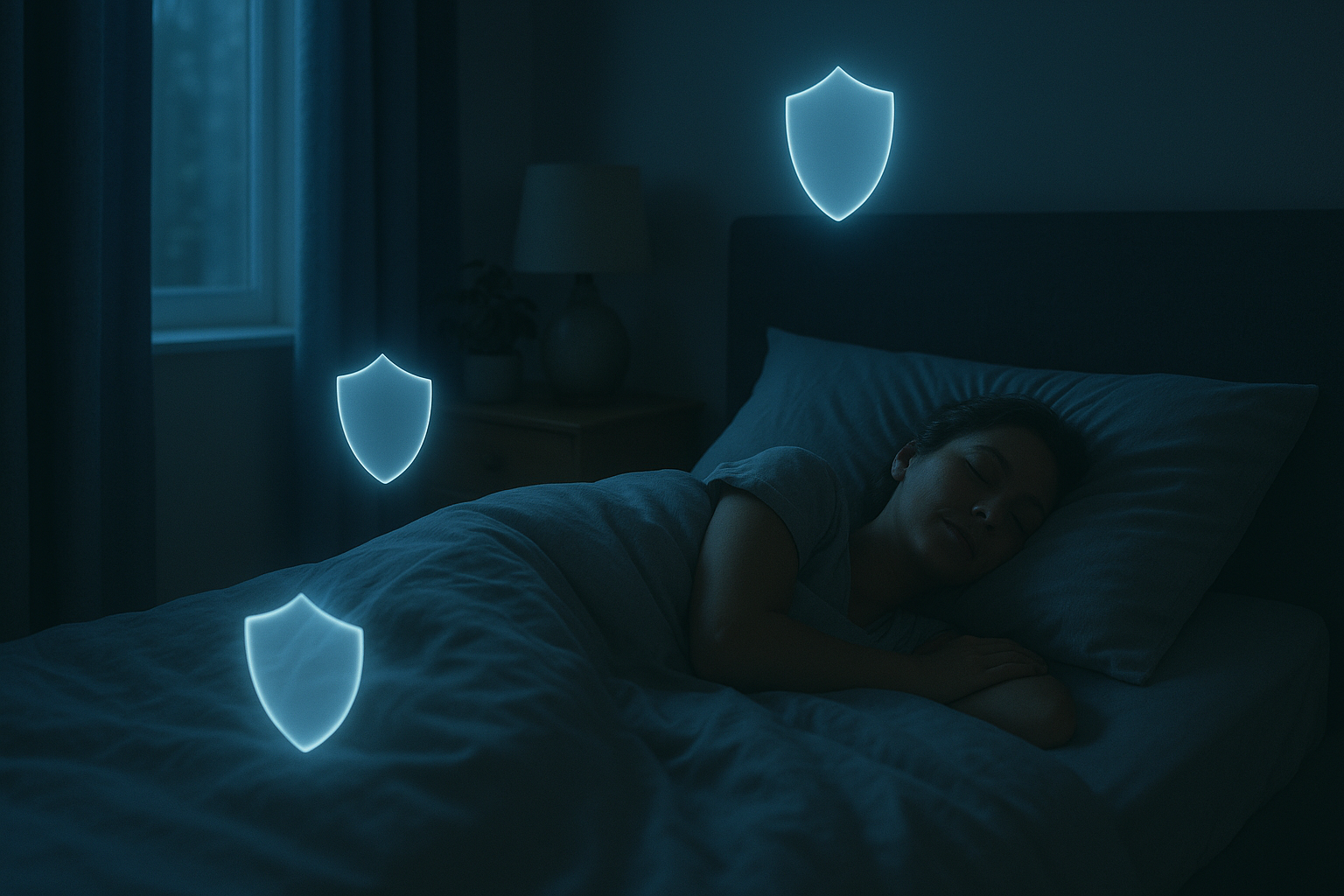
How Quality Sleep Helps Strengthen Immune Health Naturally
How Quality Sleep Helps Strengthen Immune Health Naturally
Sleep and immune system health are closely connected. While nutrition, movement, stress management, and hygiene all matter, sleep is one of the body’s most important recovery windows. When sleep is short, fragmented, or poor quality, the immune system may become less efficient and inflammation can become harder to regulate.
Why sleep matters for immune function
The immune system is not a single switch that turns on or off. It is a complex network of cells, proteins, tissues, and chemical messengers. Sleep helps this network communicate clearly.
During quality sleep, the body supports several immune-related processes:
- Immune cell activity, including cells involved in identifying and responding to threats
- Cytokine signaling, which helps coordinate immune responses
- Inflammation regulation, so the body can respond without staying in a chronically activated state
- Tissue repair and recovery after daily stress, exercise, illness, or injury
- Immune memory, which helps the body learn from previous exposures
In simple terms, good sleep helps the immune system stay alert, balanced, and appropriately responsive.
Sleep, cytokines, and immune signaling
Cytokines are proteins that help immune cells communicate. Some cytokines increase during infection or inflammation, while others help regulate the response. Sleep appears to influence how these signals are produced and coordinated.

This is one reason people often feel more tired when they are sick. Fatigue and extra sleepiness can be part of the body’s natural recovery response. Rest gives the body more opportunity to devote energy to immune activity and repair.
Poor sleep may make immune defenses less efficient
Occasional short sleep is unlikely to ruin immune health, but repeated sleep loss can add up. Chronic sleep restriction may affect immune balance, stress hormones, glucose regulation, and inflammatory signaling.
People who regularly sleep too little may be more vulnerable to feeling run down. They may also recover more slowly from everyday stressors. Sleep does not guarantee that you will avoid infections, but it can improve the conditions your immune system depends on.
Sleep quality matters as much as sleep duration
Most adults need about 7 or more hours of sleep per night, but duration is only part of the picture. Sleep quality also matters.
Signs of restorative sleep include:
- Falling asleep within a reasonable amount of time
- Staying asleep most of the night
- Waking up feeling reasonably refreshed
- Maintaining steady daytime energy
- Not relying heavily on caffeine to function
If you spend enough time in bed but wake often, snore heavily, gasp during sleep, or feel exhausted in the morning, it may be worth discussing sleep quality with a healthcare professional.
Sleep and inflammation balance
Inflammation is a normal immune response. It helps the body respond to injury, infection, and cellular stress. The problem is not inflammation itself, but inflammation that becomes excessive or long lasting.
Poor sleep can contribute to inflammatory imbalance. Over time, this may place additional strain on overall health. Quality sleep supports the body’s ability to calm inflammatory activity after it has served its purpose.
Sleep and vaccine response
Immune memory is one of the immune system’s most valuable features. It allows the body to recognize certain threats more efficiently in the future. Sleep may support immune memory formation, which is one reason researchers have studied sleep in relation to vaccine response.
Getting adequate sleep before and after vaccination is a sensible, low-risk way to support the body’s normal immune learning process. It should not replace vaccination guidance from healthcare professionals, but it can be part of a healthy preparation and recovery routine.
Natural ways to improve sleep for immune support
The goal is not perfect sleep every night. The goal is a consistent rhythm that gives your body enough time for recovery.
1. Keep a consistent sleep schedule
Go to bed and wake up at roughly the same times most days. A regular schedule supports circadian rhythm, the internal timing system that influences sleep, hormones, digestion, metabolism, and immune function.
2. Get morning light
Exposure to natural light early in the day helps anchor your body clock. Even 10 to 20 minutes outdoors in the morning can help reinforce daytime alertness and nighttime sleepiness.
3. Make the bedroom sleep friendly
A cool, dark, quiet room supports deeper sleep. Consider blackout curtains, a fan, earplugs, or a white noise machine if your environment is disruptive.
4. Reduce evening screen intensity
Bright light at night can delay melatonin signaling and make it harder to fall asleep. Try dimming lights, reducing screen brightness, or setting a device cutoff time before bed.
5. Limit alcohol close to bedtime
Alcohol may make you feel sleepy at first, but it can fragment sleep and reduce sleep quality later in the night. If immune health is a priority, better sleep quality is more helpful than sedation.
6. Use caffeine strategically
Caffeine can remain active for many hours. If you struggle with sleep, consider avoiding caffeine after late morning or early afternoon.
7. Create a wind-down routine
A predictable routine tells the nervous system that the day is ending. Reading, stretching, gentle breathing, a warm shower, or calming music can help shift the body toward rest.
8. Support sleep with daytime habits
Regular physical activity, balanced meals, hydration, and stress management all influence sleep. Try to avoid intense exercise and very heavy meals right before bed if they interfere with your rest.
When sleep problems need medical attention
Some sleep issues require more than lifestyle changes. Speak with a healthcare professional if you experience:
- Loud snoring, choking, or gasping during sleep
- Persistent insomnia lasting several weeks or longer
- Extreme daytime sleepiness
- Restless legs or frequent limb movements at night
- Morning headaches or dry mouth
- Frequent infections along with fatigue or unexplained symptoms
Conditions such as sleep apnea, chronic insomnia, depression, anxiety, thyroid problems, medication effects, and immune disorders can all affect sleep and energy.
The bottom line
Quality sleep strengthens immune health naturally by supporting immune communication, inflammation balance, recovery, and immune memory. It is not a cure-all, but it is a foundational health behavior. If you want a stronger everyday defense system, start with consistent, restorative sleep.