
Natural Sources of Vitamin C for Immune Support and Antioxidant Protection
Natural Sources of Vitamin C for Immune Support and Antioxidant Protection
Vitamin C, also known as ascorbic acid, is a water-soluble vitamin that the body cannot make on its own. That means it must come from food or supplements. For most people, a balanced diet rich in fruits and vegetables can provide enough vitamin C to support everyday health.
Why Vitamin C Matters
Vitamin C contributes to normal immune system function and acts as an antioxidant, helping protect cells from damage caused by free radicals. It is also needed to make collagen, a protein involved in skin, cartilage, tendons, ligaments, and blood vessels.
Because vitamin C is water-soluble, the body does not store large amounts. Regular intake from natural food sources is the best way to maintain healthy levels.
Best Natural Sources of Vitamin C
Many people think first of oranges, but several fruits and vegetables contain high amounts of vitamin C.
Citrus Fruits
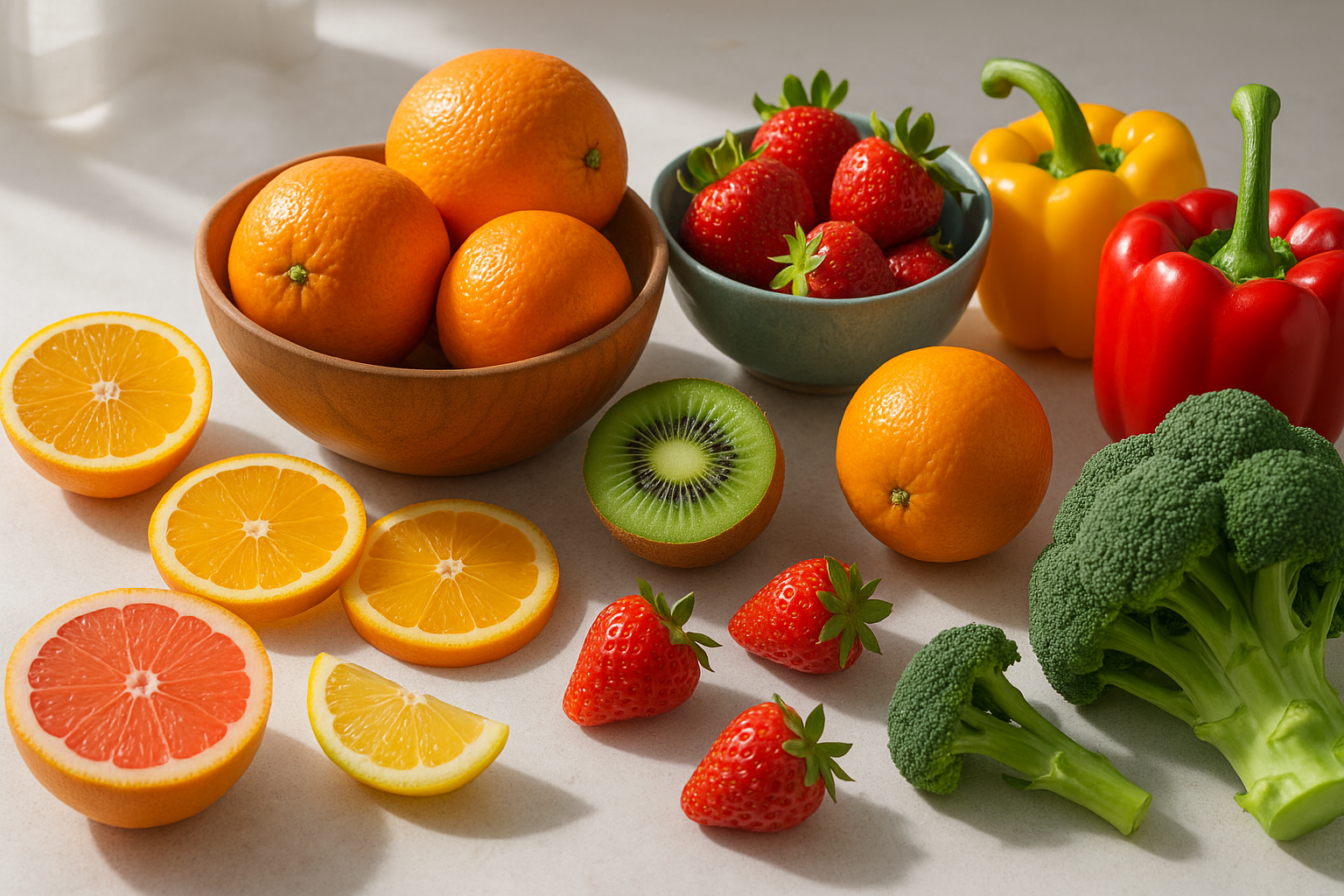
Oranges, grapefruit, lemons, and limes are classic vitamin C sources. They are easy to add to meals, snacks, water, dressings, and marinades.

Bell Peppers
Red, yellow, and green bell peppers are excellent sources of vitamin C. Red bell peppers are especially rich and can be eaten raw, roasted, grilled, or added to salads and stir-fries.
Kiwi
Kiwi is a small fruit with a high vitamin C content. It also provides fiber and other plant compounds that support a nutrient-dense diet.
Strawberries
Strawberries offer vitamin C along with fiber and beneficial phytonutrients. They are easy to add to oatmeal, yogurt, smoothies, or salads.
Broccoli and Brussels Sprouts
Cruciferous vegetables such as broccoli and Brussels sprouts provide vitamin C, fiber, and other important nutrients. Light steaming can help preserve more vitamin C than long boiling.
Leafy Greens
Kale, spinach, and other leafy greens contain vitamin C along with vitamin K, folate, and minerals. They can be used in salads, soups, smoothies, or sautéed dishes.
Potatoes
Potatoes are often overlooked as a vitamin C source. They can contribute meaningful vitamin C, especially when prepared with the skin and not overcooked.
Vitamin C and Immune Support
Vitamin C supports several functions of the immune system. It helps immune cells work properly and contributes to the body’s natural defense processes. While vitamin C is important for immune health, it is not a cure or guaranteed way to prevent illness.
A consistent eating pattern that includes vitamin C-rich foods, adequate protein, sleep, hydration, and regular physical activity is more effective for immune support than focusing on one nutrient alone.
Antioxidant Protection from Foods
As an antioxidant, vitamin C helps neutralize free radicals. Free radicals are unstable molecules produced naturally in the body and also triggered by factors such as pollution, smoke, and normal metabolism.
Eating vitamin C-rich fruits and vegetables also provides other antioxidants and plant compounds that work together as part of a healthy diet.
How to Get More Vitamin C Naturally
Add fruit to breakfast, such as strawberries, kiwi, or orange slices.
Snack on bell pepper strips with hummus.
Include broccoli, Brussels sprouts, or kale with lunch or dinner.
Use lemon or lime juice in salad dressings and marinades.
Blend a smoothie with leafy greens, citrus, and berries.
Choose fresh or lightly cooked produce when possible, since vitamin C can be reduced by heat and prolonged storage.
Food First vs. Supplements
Most healthy adults can meet vitamin C needs through food. Supplements may be helpful in some situations, but more is not always better. High supplemental doses can cause digestive discomfort and may not be appropriate for everyone.
If you are considering vitamin C supplements, talk with a healthcare professional to determine what is appropriate for your needs.
Key Takeaway
Natural sources of vitamin C include citrus fruits, kiwi, strawberries, bell peppers, broccoli, Brussels sprouts, leafy greens, and potatoes. Eating a variety of these foods regularly can support immune function, antioxidant protection, and overall wellness as part of a balanced diet.