
Natural Immune Support Remedies for Seasonal Wellness and Everyday Resilience
Natural Remedies for Immune Support
Seasonal wellness is not about finding one miracle remedy. The immune system works best when the body is consistently supported with rest, balanced nutrition, hydration, movement, stress management, and smart prevention habits. Natural remedies for immune support can be useful, but they work best as part of a steady lifestyle rather than as quick fixes.
1. Prioritize sleep for immune resilience
Sleep is one of the most important foundations for immune health. During rest, the body regulates immune signaling, recovery, and inflammation. Poor or short sleep can make it harder for the body to respond well to everyday stressors.
Simple ways to support better sleep include:
- Keeping a consistent sleep and wake schedule
- Reducing screens and bright light before bed
- Keeping the bedroom cool, dark, and quiet
- Avoiding heavy meals and excess alcohol close to bedtime
- Creating a calming evening routine with reading, stretching, or herbal tea
2. Build meals around immune-supportive nutrients
A nutrient-dense diet gives the immune system the raw materials it needs. Focus on variety rather than single superfoods.
Helpful foods include:

- Colorful fruits and vegetables for vitamin C, carotenoids, and polyphenols
- Beans, lentils, nuts, seeds, fish, eggs, and lean proteins for zinc and amino acids
- Whole grains and fiber-rich foods to support gut health
- Fermented foods such as yogurt, kefir, sauerkraut, or kimchi if tolerated
- Healthy fats from olive oil, avocado, nuts, seeds, and fatty fish
Vitamin C, vitamin D, zinc, selenium, and protein all play roles in normal immune function. If your diet is limited or you have a known deficiency, a healthcare professional can help determine whether supplementation is appropriate.
3. Stay hydrated throughout the day
Hydration supports circulation, temperature regulation, digestion, and the health of mucous membranes in the nose and throat. Water is the best daily choice, but herbal teas, broths, and water-rich foods can also contribute.
Try these simple hydration habits:
- Start the morning with water
- Keep a refillable bottle nearby
- Add lemon, cucumber, mint, or berries for flavor
- Choose warm broths or caffeine-free teas during colder months
4. Use herbal teas and kitchen remedies wisely
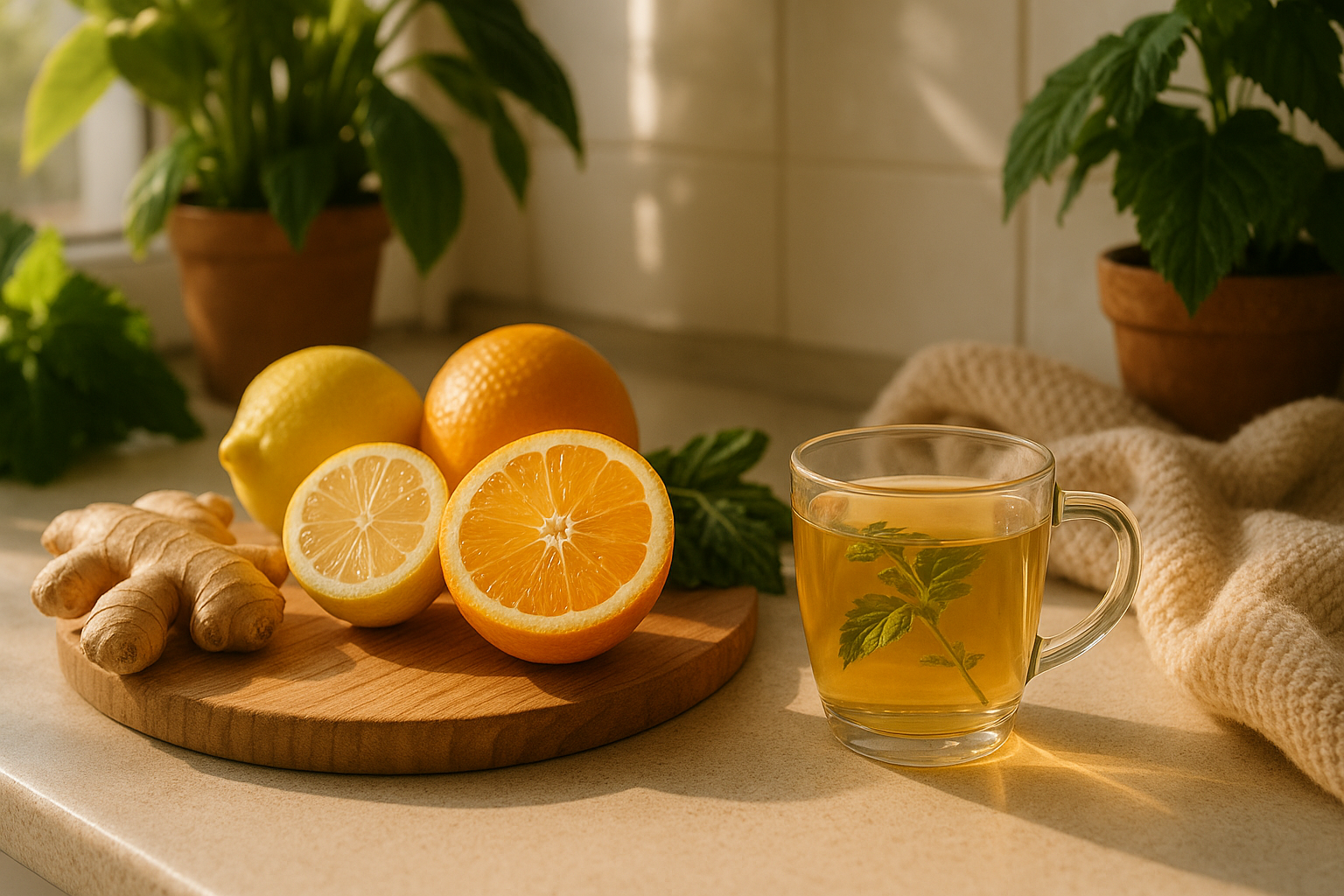
Common kitchen ingredients can support comfort during seasonal shifts. Ginger tea, lemon, honey, garlic, and warm broths are traditional options that may help soothe the throat, encourage hydration, and make nourishing foods more appealing.
Popular choices include:
- Ginger tea for warmth and digestive comfort
- Honey in warm tea for throat soothing, only for adults and children over age 1
- Garlic in meals as part of a balanced diet
- Turmeric with black pepper in foods for flavor and antioxidant compounds
- Elderberry products used cautiously, preferably after checking with a clinician
Natural does not always mean risk-free. Herbs and supplements can interact with medications or may not be appropriate for certain health conditions.
5. Support gut health with fiber and fermented foods
A large part of immune activity is connected to the gut. A diverse, fiber-rich diet helps nourish beneficial gut microbes.
Gut-supportive foods include:
- Oats, barley, beans, lentils, fruits, vegetables, nuts, and seeds
- Fermented foods with live cultures, if tolerated
- Prebiotic foods such as onions, garlic, asparagus, bananas, and legumes
If you are new to fiber-rich foods, increase them gradually and drink enough fluids to reduce digestive discomfort.
6. Move your body regularly
Moderate physical activity supports circulation, mood, metabolic health, and immune function. You do not need intense workouts to benefit.
Good options include:
- Brisk walking
- Cycling
- Swimming
- Yoga or mobility work
- Strength training two or more days per week
During illness, it is usually best to rest, hydrate, and return to activity gradually as symptoms improve.
7. Manage stress in practical ways
Chronic stress can affect sleep, digestion, inflammation, and immune balance. Stress management does not have to be complicated.
Try:
- Five minutes of slow breathing
- A short walk outside
- Journaling before bed
- Gentle stretching
- Time with supportive people
- Reducing unnecessary commitments during high-stress seasons
Consistency matters more than perfection.
8. Get sunlight safely and consider vitamin D status
Vitamin D supports normal immune function, and low levels are common in some groups, especially during seasons with limited sunlight. Food sources include fatty fish, fortified dairy or plant milks, and egg yolks, but many people may still need testing or supplementation guidance.
Ask a healthcare professional whether vitamin D testing or supplements make sense for you, especially if you have limited sun exposure, darker skin, osteoporosis risk, malabsorption concerns, or certain medical conditions.
9. Practice everyday prevention habits
Natural immune support also includes reducing exposure to germs and protecting others.
Helpful habits include:
- Washing hands regularly
- Staying home when sick when possible
- Covering coughs and sneezes
- Cleaning frequently touched surfaces
- Keeping up with recommended vaccines
- Avoiding smoking and limiting alcohol
When to seek medical care
Contact a healthcare professional if you have symptoms that are severe, persistent, worsening, or unusual. Seek urgent care for trouble breathing, chest pain, confusion, dehydration, high or prolonged fever, or symptoms in an infant, older adult, pregnant person, or someone with a weakened immune system.
Bottom line
The best natural remedies for immune support are the habits you can repeat: quality sleep, nourishing meals, hydration, regular movement, stress care, and safe use of herbs or supplements when appropriate. Seasonal wellness is built through steady support, not shortcuts.