
The Gut-Inflammation Connection and Daily Habits That Support Balance
The Gut-Inflammation Connection and Daily Habits That Support Balance
Inflammation is part of the body’s normal defense system. When you get an infection or injury, immune cells release chemical signals that help protect and repair tissue. This short-term response is useful. Problems arise when inflammatory signaling stays elevated or becomes poorly regulated over time.
The gut plays a major role in that balance. It is not just a digestion tube. It is home to trillions of microbes, a large share of the body’s immune activity, and a protective barrier that helps decide what enters the bloodstream and what stays inside the intestinal tract.
Why gut health and inflammation are connected
Your digestive tract has three major players that influence inflammatory balance:
-
The gut microbiome
The microbiome includes bacteria, fungi, viruses, and other microorganisms. Many of these microbes help break down fiber, produce beneficial compounds, support the gut lining, and communicate with immune cells. A more diverse and resilient microbiome is generally associated with better metabolic and immune health. -
The intestinal barrier
The gut lining acts like a selective gate. It absorbs nutrients while helping keep harmful organisms and unwanted particles out of the bloodstream. When this barrier is irritated or disrupted, immune cells may become more reactive. -
Gut-associated immune tissue
The gut is constantly sampling food particles, microbes, and environmental exposures. A well-regulated immune system learns to tolerate harmless inputs while responding to real threats. Diet, stress, sleep, infections, medications, and lifestyle patterns can all influence this process.
What can disturb gut and inflammatory balance
Many factors can shift the gut environment in a less favorable direction. Common contributors include:
- Low fiber intake
- Diets high in ultra-processed foods
- Frequent excess alcohol
- Poor sleep quality
- Chronic psychological stress
- Physical inactivity
- Smoking
- Certain infections
- Some medications, including antibiotics when medically necessary
- Existing digestive or autoimmune conditions
This does not mean one meal or one stressful week will damage your gut. The pattern over time matters most.

Daily habits that support a healthier gut-inflammation balance
1. Eat more fiber from a variety of plants
Fiber feeds many beneficial gut microbes. When microbes ferment certain fibers, they produce short-chain fatty acids such as butyrate, which help support the gut lining and immune regulation.
Good choices include:
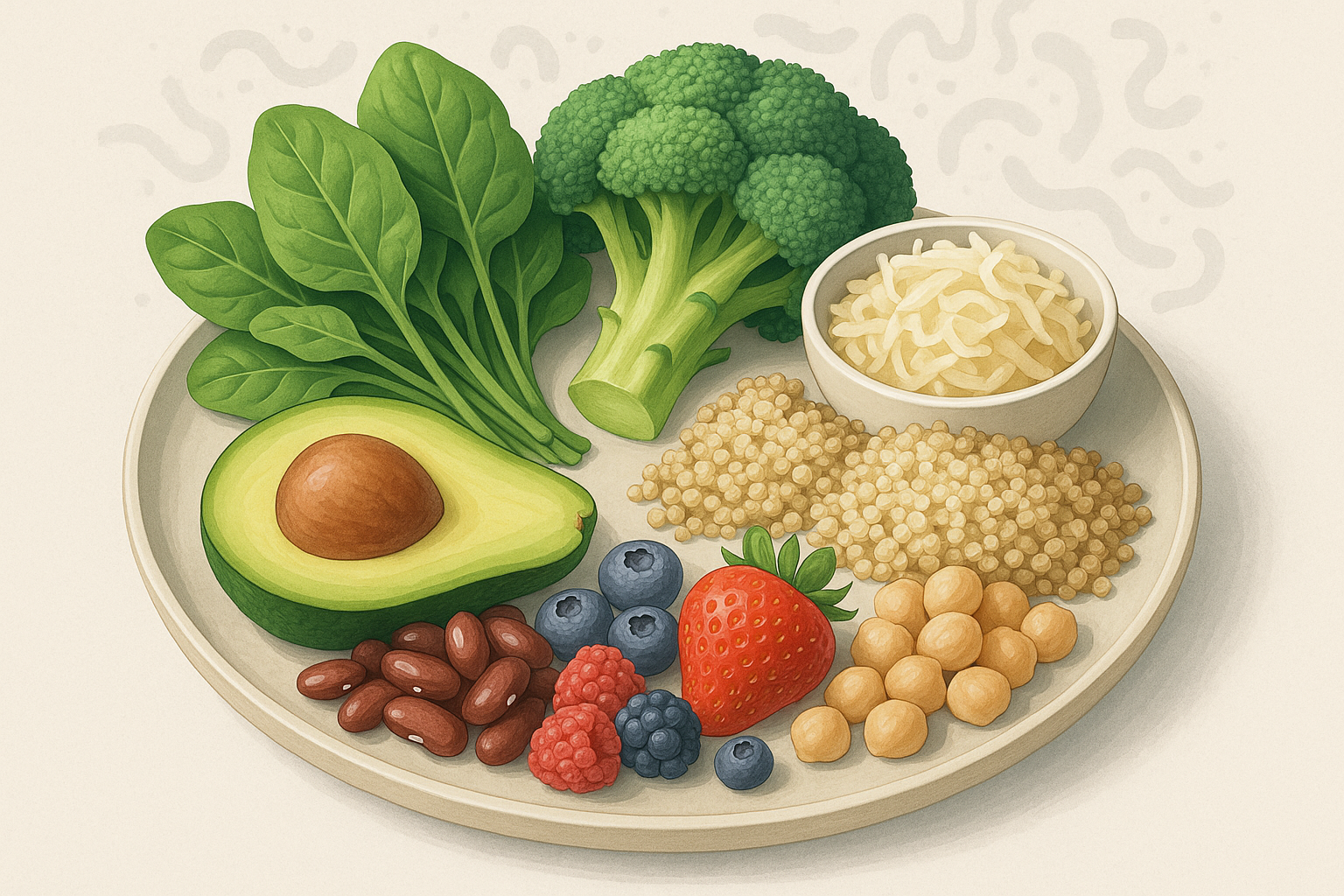
- Beans, lentils, and peas
- Oats, barley, and whole grains
- Berries, apples, pears, and citrus
- Vegetables, especially leafy greens and cruciferous vegetables
- Nuts and seeds
If you are not used to eating much fiber, increase gradually and drink enough fluids to reduce bloating or discomfort.
2. Include fermented foods if tolerated
Fermented foods can add live microbes and fermentation byproducts to the diet. Options include yogurt with live cultures, kefir, sauerkraut, kimchi, miso, and tempeh.
People with histamine intolerance, immune compromise, or certain gastrointestinal conditions may need individualized guidance. Fermented foods are helpful for some people but not required for everyone.
3. Choose mostly minimally processed foods
A diet centered on whole and minimally processed foods tends to provide more fiber, polyphenols, minerals, and healthy fats. These nutrients support the microbiome and overall inflammatory balance.
A practical plate might include:
- Half vegetables and fruit
- One quarter protein such as fish, poultry, tofu, beans, eggs, or yogurt
- One quarter whole grains or starchy vegetables
- A source of healthy fat such as olive oil, avocado, nuts, or seeds
4. Prioritize omega-3 rich foods
Omega-3 fatty acids are involved in the body’s inflammation-resolving pathways. Fatty fish such as salmon, sardines, trout, and mackerel are rich sources. Plant sources include chia seeds, flaxseed, walnuts, and hemp seeds, though conversion to the most active forms is limited.
If you are considering fish oil or omega-3 supplements, ask a healthcare professional, especially if you take blood thinners, have surgery planned, or have a medical condition.
5. Reduce added sugar and excess alcohol
High intake of added sugars and frequent alcohol use may negatively affect the microbiome, gut barrier, liver health, and metabolic inflammation. You do not need perfection. Start by reducing sugary drinks, limiting desserts to intentional portions, and keeping alcohol within medical guidance or avoiding it when appropriate.
6. Sleep like it is part of your gut routine
Sleep affects immune signaling, appetite hormones, blood sugar regulation, and the microbiome. Aim for a consistent sleep schedule, a dark and cool bedroom, morning light exposure, and less screen stimulation before bed.
Even small improvements can matter. Going to bed 30 minutes earlier or keeping a more consistent wake time can support better regulation over time.
7. Move daily, but avoid extremes
Regular movement supports digestive motility, insulin sensitivity, circulation, mood, and immune balance. Walking after meals is a simple habit that may support blood sugar control and digestion.
A balanced weekly routine can include:
- Brisk walking or other moderate cardio
- Strength training 2 or more days per week
- Mobility or stretching
- Breaks from long sitting periods
Very intense training without enough recovery can be stressful for the body, so balance effort with rest.
8. Manage stress through repeatable practices
Stress can affect gut motility, pain sensitivity, immune signaling, and microbiome patterns through the gut-brain axis. Stress management does not need to be complicated. The goal is to create reliable downshifts for the nervous system.
Helpful options include:
- Slow breathing for 2 to 5 minutes
- Gentle yoga or stretching
- Time outdoors
- Journaling
- Prayer or meditation
- Supportive social connection
- Therapy or counseling when needed
9. Use antibiotics only when medically appropriate
Antibiotics can be lifesaving and necessary, but they can also disrupt gut microbial communities. Use them exactly as prescribed and avoid requesting them for viral illnesses where they do not help. If digestive symptoms follow antibiotics, speak with a healthcare professional about appropriate next steps.
10. Pay attention to symptoms that need care
Occasional bloating or digestive changes are common, but some symptoms deserve medical evaluation. Contact a healthcare professional if you have persistent diarrhea, blood in the stool, unexplained weight loss, ongoing vomiting, fever, severe abdominal pain, anemia, difficulty swallowing, or symptoms that wake you from sleep.
A simple one-day gut-supportive routine
Morning: Eat oatmeal with berries, ground flaxseed, and yogurt or a protein source. Get morning light and take a short walk.
Midday: Build a lunch with beans or lean protein, vegetables, whole grains, olive oil, and fruit.
Afternoon: Take a movement break, hydrate, and choose nuts or fruit instead of a high-sugar snack most days.
Evening: Eat a balanced dinner with vegetables, protein, and a fiber-rich carbohydrate. Reduce screens before bed and keep a consistent sleep schedule.
Bottom line
The gut-inflammation connection is shaped by the microbiome, the intestinal barrier, and the immune system. No single food or supplement can guarantee perfect gut health, but daily patterns can make a meaningful difference. A fiber-rich diet, diverse plant foods, adequate sleep, regular movement, stress regulation, and appropriate medical care all support a more balanced inflammatory response.
References
NIH National Library of Medicine: Gut microbiota and inflammation