
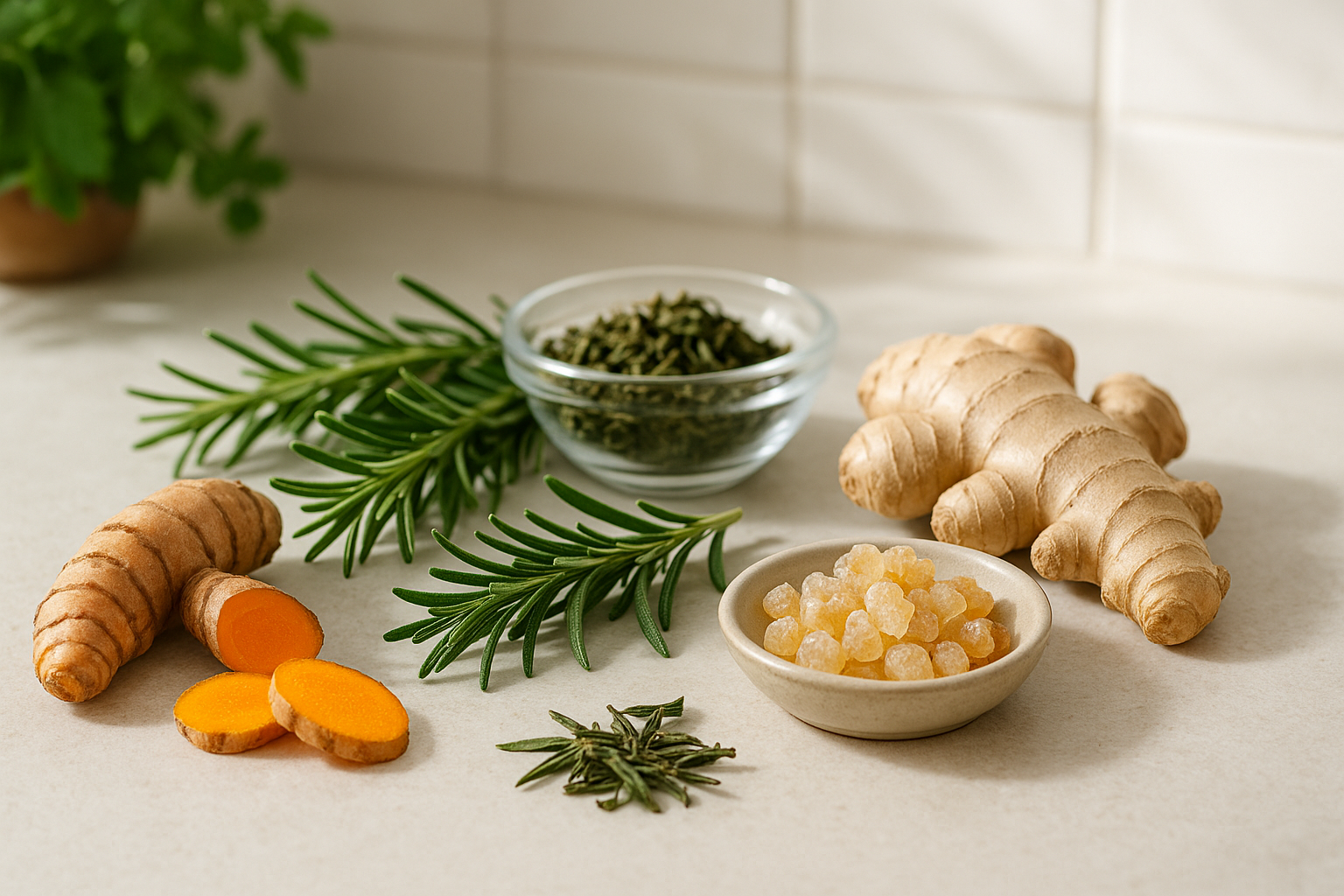
Anti Inflammatory Herbs That May Help Support Joint, Gut, and Immune Health
Anti Inflammatory Herbs That May Help Support Joint, Gut, and Immune Health
Inflammation is part of the body’s normal defense system. It helps repair tissue, respond to infection, and coordinate immune activity. But when inflammation becomes ongoing or poorly regulated, it may contribute to discomfort, digestive issues, and broader health concerns.
Anti inflammatory herbs may help support a balanced inflammatory response through natural plant compounds such as polyphenols, terpenes, curcuminoids, gingerols, and flavonoids. These compounds are studied for antioxidant and immune-modulating activity, although results vary by herb, dose, preparation, and individual health status.
What Are Anti Inflammatory Herbs?
Anti inflammatory herbs are culinary or medicinal plants that contain compounds associated with inflammation-related pathways in the body. Some are used as foods, teas, spices, capsules, tinctures, or standardized extracts.
Common examples include turmeric, ginger, boswellia, green tea, rosemary, garlic, cinnamon, and holy basil. They are best viewed as supportive tools rather than quick fixes.
1. Turmeric
Turmeric is one of the most widely discussed anti inflammatory herbs. Its primary active compounds are curcuminoids, especially curcumin. Curcumin has been studied for its role in inflammatory signaling and antioxidant activity.

Turmeric may be especially relevant for people interested in joint comfort and general inflammatory balance. However, curcumin is not absorbed well on its own. Many supplements combine it with black pepper extract, also called piperine, or use enhanced absorption formulas.
Turmeric can be used in soups, curries, smoothies, golden milk, or capsules. People taking blood thinners, diabetes medications, or gallbladder-related medications should ask a clinician before using concentrated turmeric supplements.
2. Ginger
Ginger contains gingerols and shogaols, compounds studied for digestive support, nausea relief, and inflammation-related effects. It is commonly used as a tea, fresh root, powder, capsule, or extract.
For gut health, ginger may support comfortable digestion and help with occasional nausea. For joint health, some research has explored ginger’s potential role in stiffness and soreness. Culinary ginger is generally well tolerated, but concentrated supplements may not be appropriate for everyone.
3. Boswellia
Boswellia, also known as Indian frankincense, is a resin extract that contains boswellic acids. These compounds have been studied for joint comfort and inflammatory pathway support.
Boswellia is usually taken as a capsule or tablet rather than as a culinary herb. If choosing a supplement, look for products that identify boswellic acid content or use a standardized extract. People with chronic conditions, those taking anti-inflammatory medications, or those preparing for surgery should consult a healthcare professional first.
4. Green Tea
Green tea is rich in catechins, especially EGCG, a polyphenol studied for antioxidant and immune-related effects. It may support overall health when used as part of a balanced diet.
Green tea can be consumed as brewed tea or as an extract. Brewed green tea is typically safer for daily use than high-dose extracts. Concentrated green tea extract has been associated with liver concerns in some cases, so caution is important.
5. Rosemary
Rosemary is a culinary herb containing rosmarinic acid, carnosic acid, and other antioxidant plant compounds. It may support a healthy inflammatory response while adding flavor to meals.
Rosemary is easy to include in roasted vegetables, soups, beans, chicken, fish, and olive oil-based dressings. Culinary use is generally considered safe for most people, while high-dose extracts require more caution.
6. Garlic
Garlic contains sulfur compounds such as allicin that are associated with cardiovascular and immune health. It may also support healthy inflammatory balance as part of a nutrient-rich diet.
Garlic can be eaten raw, cooked, aged, or taken as a supplement. Garlic supplements may interact with blood-thinning medications and may increase bleeding risk in some people.
7. Cinnamon
Cinnamon contains polyphenols and aromatic compounds that may support antioxidant activity and metabolic health. It is often used in oatmeal, tea, smoothies, yogurt, and baked foods.
Cassia cinnamon is higher in coumarin, a compound that may be harmful to the liver in large amounts. Ceylon cinnamon is often preferred for frequent use.
8. Holy Basil
Holy basil, also called tulsi, is traditionally used in Ayurvedic practices. It is commonly consumed as tea and is studied for stress, immune, and metabolic support.
Holy basil may not be suitable for everyone, especially people taking blood sugar-lowering medications, blood thinners, or those who are pregnant or trying to conceive.
How These Herbs May Support Joint Health
Some herbs may help support joint comfort by influencing inflammatory signaling, oxidative stress, and tissue recovery. Turmeric, ginger, and boswellia are among the most commonly studied for joint-related concerns.
For best results, herbs should be paired with foundational joint-support habits such as strength training, mobility work, healthy weight management, adequate protein, omega-3-rich foods, and quality sleep.
How These Herbs May Support Gut Health
The gut and immune system are closely connected. Herbs such as ginger, turmeric, rosemary, and green tea may support digestion and antioxidant balance. Some herbs may also influence the gut microbiome indirectly through polyphenols.
However, not all herbs are soothing for every digestive system. People with reflux, ulcers, inflammatory bowel disease, gallbladder disease, or irritable bowel symptoms should introduce herbs slowly and seek professional guidance when needed.
How These Herbs May Support Immune Health
Many anti inflammatory herbs contain antioxidants and phytonutrients that may help support normal immune function. Green tea, garlic, ginger, turmeric, and rosemary are commonly used in immune-supportive diets.
The goal is not to suppress the immune system, but to support a balanced response. A healthy immune system also depends on sleep, vitamin D status, protein intake, stress management, hydration, and regular movement.
Safety Tips Before Using Anti Inflammatory Herbs
Start with culinary amounts before using concentrated supplements. Choose reputable brands that use third-party testing when possible. Avoid combining multiple high-dose herbal supplements without professional guidance.
Be especially cautious if you take blood thinners, diabetes medications, blood pressure medications, immune-suppressing drugs, or anti-inflammatory drugs. Also check with a healthcare professional before using herbs during pregnancy, breastfeeding, before surgery, or with liver, kidney, gallbladder, or autoimmune conditions.
Simple Ways to Add Anti Inflammatory Herbs to Your Routine
Try ginger tea after meals, turmeric in soups or rice dishes, rosemary on roasted vegetables, garlic in savory meals, and green tea in the morning or early afternoon. A simple anti inflammatory meal might include salmon or beans, leafy greens, olive oil, turmeric, garlic, rosemary, and a cup of green tea.
Consistency matters more than intensity. Small daily habits are usually more sustainable than taking many supplements at once.
Bottom Line
Anti inflammatory herbs such as turmeric, ginger, boswellia, green tea, rosemary, garlic, cinnamon, and holy basil may help support joint, gut, and immune health. They work best as part of a broader lifestyle that includes a nutrient-dense diet, movement, sleep, and medical care when needed.
Herbs can be powerful, so use them thoughtfully. If you have a health condition or take medication, talk with a healthcare professional before starting a supplement.