
Early Signs of Vitamin D Deficiency and Natural Ways to Support Healthy Levels
Early Signs of Vitamin D Deficiency and Natural Ways to Support Healthy Levels
Vitamin D is a fat-soluble nutrient that helps the body absorb calcium and phosphorus, supports bone strength, and contributes to normal muscle and immune function. Because symptoms can be vague, many people do not realize their levels are low until a blood test shows deficiency.
Common vitamin D deficiency signs
Early vitamin D deficiency signs may include:
- Ongoing fatigue or low energy
- Muscle aches, cramps, or weakness
- Bone discomfort, especially in the back, hips, legs, or ribs
- More frequent illness or slower recovery
- Low mood or reduced sense of wellbeing
- Hair shedding in some cases
- Delayed healing after injury or illness
These symptoms can have many causes, including anemia, thyroid conditions, sleep problems, depression, medication effects, or other nutrient deficiencies. A blood test is the most reliable way to know whether vitamin D is low.
Why vitamin D deficiency matters
Vitamin D helps maintain healthy calcium levels. When deficiency is significant or long-lasting, the body may have trouble keeping bones properly mineralized. In children, severe deficiency can contribute to rickets. In adults, it can contribute to osteomalacia, bone pain, muscle weakness, and increased risk of falls or fractures.
Who is more likely to have low vitamin D?
Risk is higher in people who:
- Get limited sun exposure
- Regularly wear clothing that covers most skin outdoors
- Have darker skin, which reduces vitamin D production from sunlight
- Live in northern climates or spend most time indoors
- Are older adults
- Have obesity
- Have malabsorption conditions such as celiac disease, Crohn disease, or certain bariatric surgery histories
- Take medications that affect vitamin D metabolism
- Follow diets low in vitamin D foods
- Are exclusively breastfed infants unless supplemented as recommended by a clinician
How vitamin D deficiency is checked
Healthcare professionals usually assess vitamin D status with a blood test called 25-hydroxyvitamin D. Testing may be especially important if you have bone pain, muscle weakness, osteoporosis, recurrent low-trauma fractures, malabsorption, kidney or liver disease, or other risk factors.
Do not assume symptoms are caused by vitamin D deficiency without testing, because taking high-dose vitamin D unnecessarily can be harmful.
Natural ways to support healthy vitamin D levels
1. Get sensible sun exposure
Your skin can make vitamin D when exposed to ultraviolet B rays from sunlight. The amount produced depends on season, latitude, time of day, cloud cover, air pollution, skin tone, age, sunscreen use, and how much skin is exposed.
Short, sensible sun exposure may help some people, but avoid sunburn. If you have a history of skin cancer, take photosensitizing medication, or have been advised to avoid sun, ask your clinician for personalized guidance.
2. Eat vitamin D-rich foods
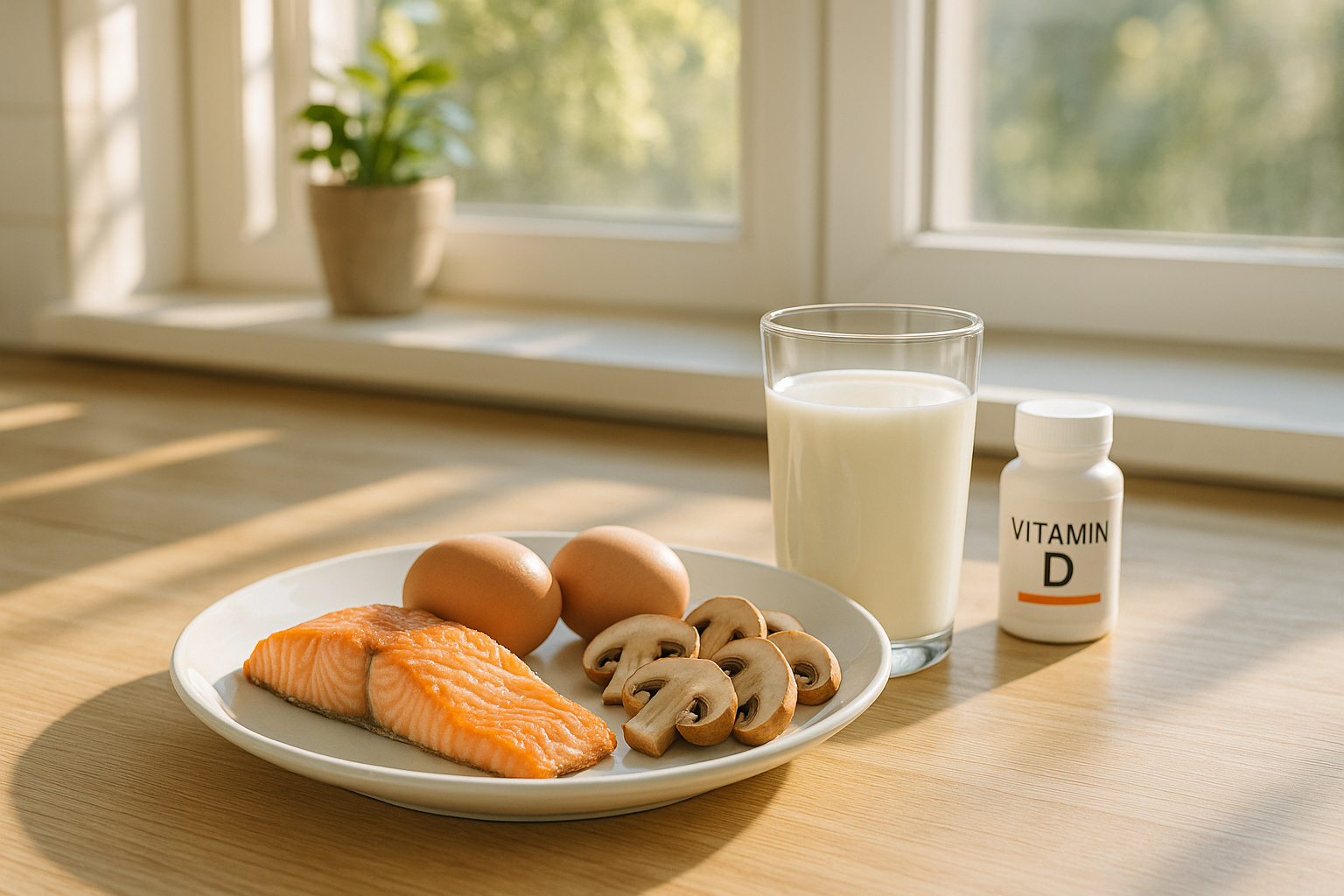
Few foods naturally contain much vitamin D, but helpful options include:
- Fatty fish such as salmon, trout, sardines, and tuna
- Egg yolks
- Some mushrooms exposed to ultraviolet light
- Fortified milk or plant milks
- Fortified breakfast cereals
- Fortified orange juice in some regions
Food alone may not be enough for people with deficiency, but it can help maintain healthier levels as part of a balanced diet.
3. Consider supplements when appropriate
Vitamin D supplements can be effective, but the right dose depends on your blood level, age, health status, diet, medications, and medical history. Many supplements contain vitamin D3, while some contain vitamin D2. Your healthcare provider can recommend a safe plan and follow-up testing if needed.
Avoid taking very high doses unless prescribed. Too much vitamin D can raise calcium levels and may cause nausea, vomiting, weakness, confusion, dehydration, kidney stones, or kidney damage.
4. Support absorption with healthy dietary fat
Because vitamin D is fat-soluble, taking it with a meal that contains some fat may improve absorption. Examples include meals with olive oil, avocado, nuts, seeds, dairy, eggs, or fatty fish.
5. Address underlying causes
If levels stay low despite sun exposure, diet, or supplements, the issue may involve absorption, medication interactions, liver or kidney conditions, or adherence to the supplement plan. Persistent deficiency should be evaluated medically.
When to seek medical advice
Contact a healthcare professional if you have persistent fatigue, muscle weakness, bone pain, frequent falls, unexplained fractures, or risk factors for deficiency. Seek guidance before giving supplements to infants or children, during pregnancy, if you have kidney disease, high calcium, sarcoidosis, certain cancers, or if you take medications that may interact with vitamin D.
Key takeaway
Vitamin D deficiency signs can be subtle, but ongoing fatigue, muscle aches, weakness, and bone discomfort may be clues. The best next step is often a 25-hydroxyvitamin D blood test and a personalized plan that may include sensible sun exposure, vitamin D-rich foods, and safe supplementation when needed.
References
NIH Office of Dietary Supplements: Vitamin D Fact Sheet for Consumers