
How Quality Sleep Helps Strengthen Natural Immune Defenses
How Quality Sleep Helps Strengthen Natural Immune Defenses
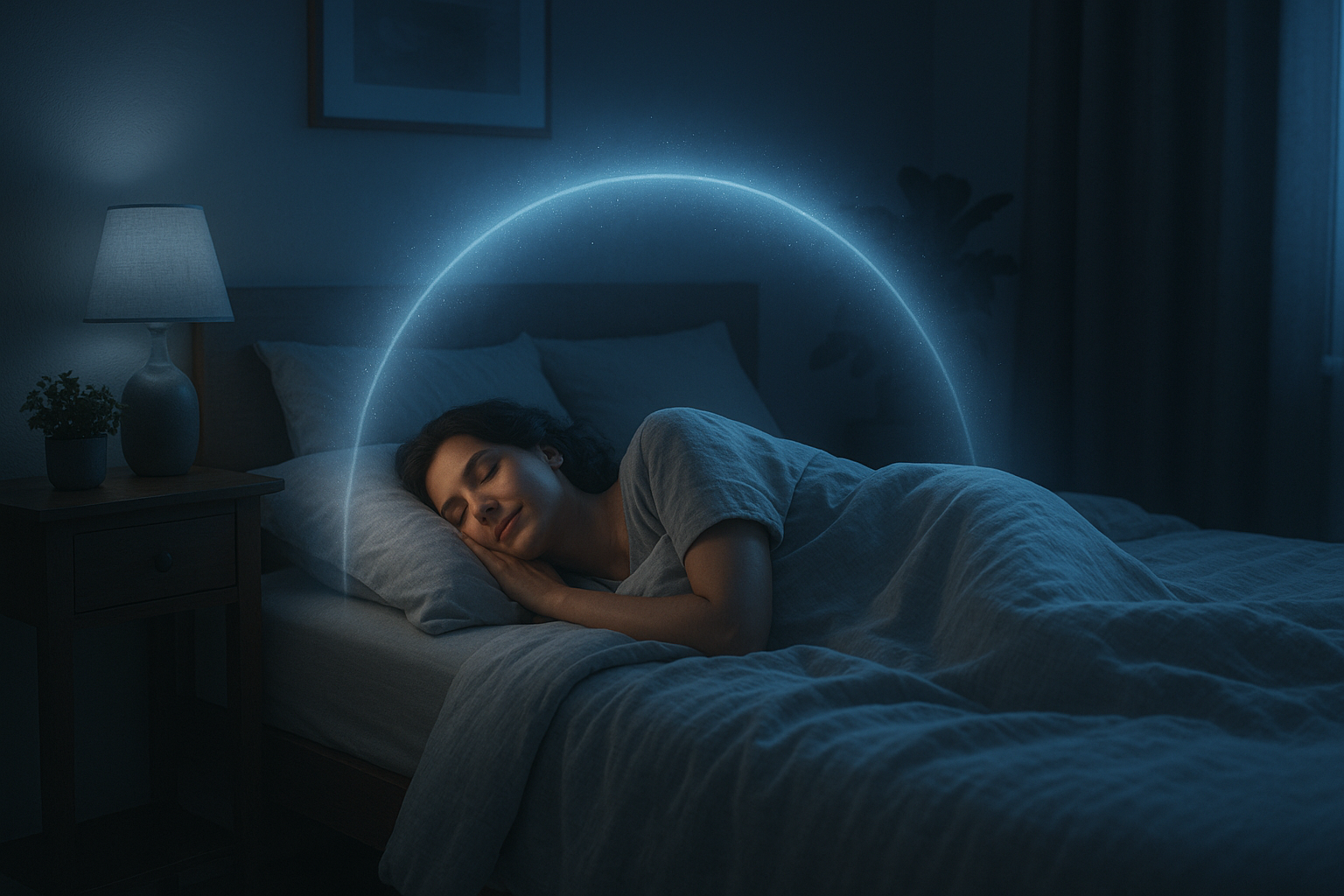
Sleep and immune system health are closely connected. During sleep, the body does far more than rest. It regulates immune signaling, supports tissue repair, balances stress hormones, and helps immune cells respond appropriately to threats.
Getting enough high-quality sleep will not make the immune system invincible. However, poor sleep can make it harder for the body to maintain normal immune defenses, recover from everyday stress, and respond effectively when challenged by infections or vaccines.
Why sleep matters for immune function
The immune system depends on timing, communication, and balance. It must identify potential threats, activate a response, control inflammation, and then return to a steady state. Sleep supports each of these steps.
During healthy sleep, the body helps regulate cytokines, which are signaling proteins involved in immune activity and inflammation. Some cytokines increase during infection or inflammation, and sleep appears to help coordinate these protective responses. At the same time, adequate sleep supports immune memory, which helps the body recognize and respond to pathogens it has encountered before.
Sleep supports immune cell activity
Immune cells such as T cells, natural killer cells, and other white blood cells play important roles in identifying abnormal or infected cells. Sleep affects the environment these cells work in by influencing hormones, inflammation, and nervous system activity.

When sleep is restricted, the body may show higher levels of stress signaling and inflammatory activity. Over time, this can interfere with healthy immune regulation. In contrast, consistent sleep gives the immune system a more stable foundation for normal surveillance and response.
Sleep may improve vaccine response
A strong immune response depends partly on the body’s ability to create immune memory. Research has linked insufficient sleep with weaker antibody responses after certain vaccinations. This does not mean sleep replaces vaccines or medical prevention, but it does suggest that being well rested may help the body mount a more effective response.
If you are preparing for vaccination, prioritizing sleep in the days before and after may be a practical way to support your body’s normal immune processes.
Poor sleep can increase inflammation
Inflammation is a normal part of immune defense, but it needs to be well controlled. Chronic sleep loss, irregular sleep timing, and fragmented sleep are associated with increased inflammatory markers in some studies.
This matters because long-term inflammation is linked with many health concerns, including metabolic and cardiovascular problems. For immune health, the goal is not to eliminate inflammation entirely. The goal is to support a balanced response that activates when needed and calms down when the threat has passed.
How much sleep supports immunity?
Most adults need at least 7 hours of sleep per night. Some people feel and function best with 8 to 9 hours. Children and teenagers generally need more.
Sleep duration is important, but quality matters too. Seven hours of broken, restless sleep may not provide the same recovery as seven hours of consolidated, restorative sleep. Signs of better sleep quality include falling asleep without prolonged difficulty, staying asleep most of the night, waking reasonably refreshed, and maintaining steady daytime energy.
The role of circadian rhythm
The circadian rhythm is the body’s internal timing system. It helps regulate sleep, hormones, body temperature, digestion, and immune activity. When sleep schedules shift dramatically, the immune system may receive mixed signals.
Common circadian disruptors include late-night bright light, inconsistent bedtimes, overnight shift work, jet lag, and irregular meal timing. Keeping a consistent sleep-wake schedule, getting morning light, and dimming lights in the evening can help reinforce healthier sleep timing.
Practical sleep habits that support natural defenses
Start with consistency. Going to bed and waking up at similar times helps train the body to expect sleep. Keep the bedroom cool, dark, and quiet. Limit caffeine later in the day, since it can remain active for hours. Avoid heavy meals and excess alcohol close to bedtime, as both can fragment sleep.
Create a wind-down routine that signals safety and rest. This might include reading, stretching, breathing exercises, a warm shower, or quiet music. Keep phones and bright screens away from the final part of the evening when possible, or use strong light reduction settings.
Physical activity also helps. Regular movement can improve sleep quality and immune health, but intense exercise too close to bedtime may be stimulating for some people.
When sleep problems need medical attention
Occasional poor sleep is common. But ongoing insomnia, loud snoring, gasping during sleep, restless legs, extreme daytime sleepiness, or repeatedly waking unrefreshed may point to a sleep disorder. Conditions such as sleep apnea can reduce sleep quality even when a person spends enough hours in bed.
Seek professional guidance if sleep problems last more than a few weeks, interfere with daily life, or occur alongside mood changes, frequent illness, or significant fatigue.
Bottom line
Quality sleep helps strengthen natural immune defenses by supporting immune signaling, inflammation control, cellular repair, and immune memory. It is not a quick cure or a replacement for medical care, vaccination, hygiene, nutrition, or exercise. But as a daily foundation for health, sleep is one of the most powerful and accessible tools for helping the immune system do its job.