
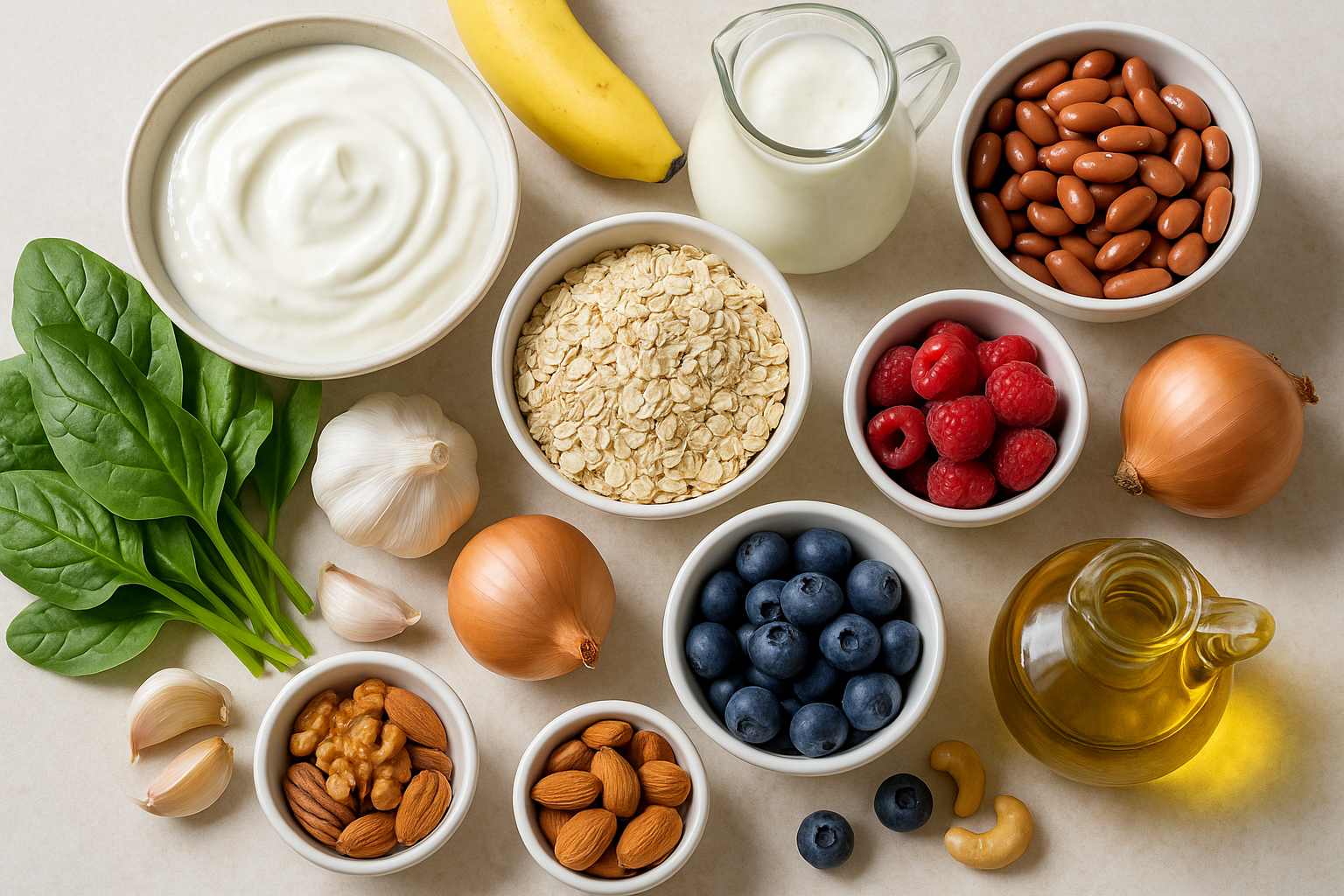
Best Foods for Gut Health to Strengthen Digestion and Immunity
Best Foods for Gut Health to Strengthen Digestion and Immunity
Your gut does far more than digest food. It helps absorb nutrients, supports the intestinal barrier, communicates with the immune system, and houses trillions of microbes that influence overall health. The best foods for gut health are those that feed beneficial bacteria, support regular bowel movements, and provide nutrients that help maintain a resilient digestive tract.
What makes a food good for gut health?
Gut-supportive foods usually provide one or more of the following:
- Dietary fiber to support regularity and feed beneficial gut microbes
- Prebiotics, which are fibers and compounds that nourish helpful bacteria
- Probiotics, which are live microorganisms found in some fermented foods
- Polyphenols, plant compounds that may support microbial diversity
- Protein, vitamins, and minerals that help maintain the gut lining and immune defenses
A healthy gut diet is less about one superfood and more about consistent variety. Aim for a pattern built around minimally processed plant foods, fermented foods if tolerated, and balanced meals.
1. Yogurt with live and active cultures
Plain yogurt can be one of the simplest probiotic foods. Look for labels that mention live and active cultures. These bacteria may help support microbial balance and digestion, especially when yogurt is eaten regularly as part of a balanced diet.
Choose unsweetened yogurt when possible, because high added sugar intake can work against a gut-friendly eating pattern. Add berries, oats, chia seeds, or nuts for extra fiber.

Best options include:
- Plain Greek yogurt
- Plain traditional yogurt
- Yogurt with live and active cultures
- Unsweetened yogurt with fruit added at home
2. Kefir
Kefir is a fermented dairy drink that often contains a wider range of microbial strains than standard yogurt. It also provides protein, calcium, and other nutrients. Many people find kefir easy to add to smoothies, oats, or breakfast bowls.
If you are lactose sensitive, you may still tolerate some fermented dairy products, but tolerance varies. Start with a small serving and choose unsweetened varieties.
3. Sauerkraut and kimchi
Fermented vegetables such as sauerkraut and kimchi can provide beneficial microbes when they are raw and unpasteurized. They also contain fiber and plant compounds from cabbage and other vegetables.
Check the refrigerated section and look for products that state they are unpasteurized or contain live cultures. Heat-treated shelf-stable versions may still be flavorful, but they usually do not provide live microbes.
Because these foods can be high in sodium, use moderate portions if you are watching blood pressure or salt intake.
4. Beans and lentils
Beans, lentils, chickpeas, and peas are among the best foods for gut health because they are rich in fermentable fiber. Gut bacteria can use this fiber to produce short-chain fatty acids, which help support the colon and intestinal barrier.
Good choices include:
- Black beans
- Pinto beans
- Kidney beans
- Lentils
- Chickpeas
- Split peas
If beans cause gas or bloating, start with small portions, rinse canned beans well, and increase gradually. Your gut often adapts as fiber intake rises over time.
5. Oats
Oats contain beta-glucan, a soluble fiber that supports digestion and may help maintain healthy cholesterol levels. Soluble fiber absorbs water and forms a gel-like texture, which can help support bowel regularity.
Try oats as oatmeal, overnight oats, or blended into smoothies. Pair them with probiotic yogurt or kefir for a gut-friendly breakfast.
6. Berries
Berries provide fiber, vitamin C, and polyphenols. Blueberries, raspberries, strawberries, and blackberries are especially useful because they deliver nutrients with relatively low added sugar when eaten whole.
Raspberries and blackberries are particularly high in fiber. Add them to yogurt, oatmeal, salads, or snacks.
7. Bananas, especially slightly green bananas
Bananas are gentle, convenient, and widely tolerated. Slightly green bananas contain more resistant starch, a type of carbohydrate that acts more like fiber and can feed beneficial gut bacteria.
Riper bananas are still nutritious and may be easier to digest for some people. The best choice depends on your tolerance and digestive needs.
8. Garlic, onions, leeks, and asparagus
These foods are natural sources of prebiotic fibers, including inulin and fructooligosaccharides. They can help nourish beneficial microbes, but they may trigger symptoms in people with irritable bowel syndrome or sensitivity to high-FODMAP foods.
If you tolerate them well, include small to moderate amounts regularly in soups, sautés, sauces, and roasted vegetable dishes.
9. Leafy greens and cruciferous vegetables
Vegetables such as spinach, kale, arugula, broccoli, Brussels sprouts, cabbage, and cauliflower provide fiber, antioxidants, and micronutrients that support digestive and immune health.
Cruciferous vegetables can increase gas in some people. Cooking them and increasing portions gradually can improve tolerance.
10. Nuts and seeds
Nuts and seeds provide fiber, healthy fats, minerals, and polyphenols. Chia seeds and ground flaxseed are especially helpful because they contain soluble fiber that supports stool consistency.
Gut-friendly choices include:
- Chia seeds
- Ground flaxseed
- Walnuts
- Almonds
- Pistachios
- Pumpkin seeds
Drink enough water when increasing chia or flax because these fibers absorb fluid.
11. Whole grains
Whole grains provide fiber and resistant starch that help support a diverse microbiome. Choose intact or minimally processed grains most often.
Good options include:
- Brown rice
- Barley
- Quinoa
- Bulgur
- Farro
- Whole grain bread
- Whole grain pasta
Barley is especially rich in beta-glucan, similar to oats.
12. Extra-virgin olive oil
Extra-virgin olive oil is a key part of Mediterranean-style eating. It contains monounsaturated fats and polyphenols that may support a healthier inflammatory balance. Use it for salad dressings, roasted vegetables, or drizzling over beans and whole grains.
13. Fatty fish
Salmon, sardines, trout, and mackerel provide omega-3 fatty acids and high-quality protein. While fish is not a fiber source, omega-3 fats help support immune and inflammatory pathways, which are closely connected to gut health.
Aim to include fish regularly if it fits your diet, or ask a healthcare professional about alternatives if you do not eat seafood.
Foods to limit for better gut health
You do not need a perfect diet, but some foods can make it harder to support the gut when they dominate your routine.
Consider limiting:
- Highly processed snack foods
- Sugary drinks
- Excess alcohol
- Frequent deep-fried foods
- Very low-fiber refined grains
- Large amounts of processed meats
The goal is not restriction for its own sake. It is to make more room for fiber-rich plants, fermented foods, and balanced meals.
How to build a gut-healthy plate
A simple gut-friendly meal formula is:
- Half the plate: vegetables and fruit
- One quarter: beans, lentils, fish, poultry, tofu, eggs, or other protein
- One quarter: whole grains or starchy vegetables
- Add: olive oil, nuts, seeds, herbs, or fermented foods if tolerated
Example meals:
- Oatmeal with kefir, blueberries, chia seeds, and walnuts
- Lentil soup with leafy greens and olive oil
- Salmon with quinoa, roasted broccoli, and yogurt-herb sauce
- Bean and vegetable bowl with brown rice, avocado, and sauerkraut
- Greek yogurt with berries, ground flaxseed, and oats
Increase fiber gradually
Fiber is essential for gut health, but increasing it too quickly can cause bloating, gas, or cramping. Add high-fiber foods gradually over several weeks and drink enough water. This gives your digestive system and microbiome time to adapt.
A practical approach:
- Add one extra serving of vegetables per day
- Swap refined grains for whole grains
- Add beans or lentils two to three times per week
- Include fruit instead of low-fiber sweets
- Add one tablespoon of chia or ground flaxseed daily if tolerated
When to be cautious
Some gut-healthy foods may not be appropriate for everyone. People with irritable bowel syndrome, inflammatory bowel disease, small intestinal bacterial overgrowth, celiac disease, food allergies, recent gastrointestinal surgery, or weakened immune systems may need individualized guidance.
Fermented foods and probiotics can also affect people differently. If you have a serious medical condition or are immunocompromised, ask your healthcare provider before using probiotic supplements or making major dietary changes.
Bottom line
The best foods for gut health include yogurt, kefir, fermented vegetables, beans, lentils, oats, berries, bananas, prebiotic vegetables, leafy greens, nuts, seeds, whole grains, olive oil, and fatty fish. For digestion and immunity, consistency matters most. Build meals around diverse plant foods, include fermented foods if tolerated, increase fiber gradually, and choose minimally processed foods most of the time.