
Vitamin B12 Deficiency Symptoms and Neurological Health Risks
Vitamin B12 Deficiency Symptoms and Neurological Health Risks
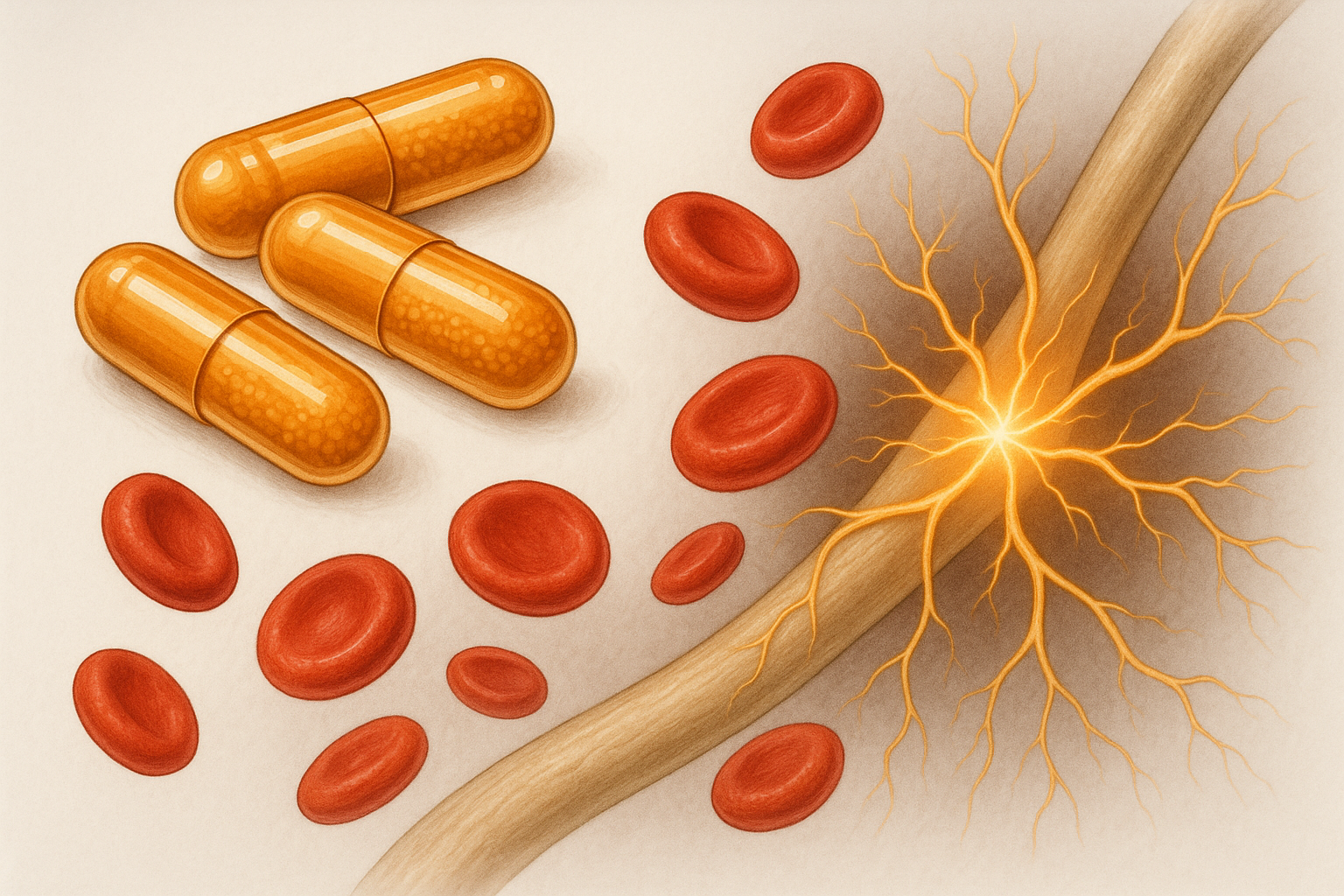
Vitamin B12, also called cobalamin, is essential for red blood cell formation, DNA production, and healthy nerve function. A deficiency can develop slowly and may cause symptoms that are easy to overlook at first. Because vitamin B12 plays a direct role in the nervous system, untreated deficiency can lead to neurological complications.
Common vitamin B12 deficiency symptoms
Symptoms can vary from mild to severe. Common signs may include:
- Fatigue or unusual weakness
- Pale skin
- Shortness of breath or dizziness
- Heart palpitations
- Loss of appetite or unintended weight loss
- Sore or swollen tongue
- Nausea, diarrhea, or other digestive changes
- Mood changes, irritability, or low mood
- Difficulty concentrating or memory problems
Some people have neurological symptoms even before anemia is clearly detected, which is why symptoms should not be ignored.
Neurological symptoms to watch for
Vitamin B12 is necessary for maintaining the protective covering around nerves. When levels are low, nerve signaling can be affected. Neurological symptoms may include:
- Numbness or tingling in the hands, feet, legs, or arms
- Burning or pins and needles sensations
- Balance problems or unsteady walking
- Muscle weakness
- Clumsiness or reduced coordination
- Vision changes in rare cases
- Confusion or cognitive decline
- Mood and behavioral changes
If neurological symptoms are present, medical evaluation is important. Early treatment improves the chance of symptom improvement and may help prevent lasting nerve damage.

Why vitamin B12 deficiency can harm the nervous system
Vitamin B12 helps produce myelin, the protective sheath that supports healthy nerve function. When B12 is deficient, nerves may become damaged or function poorly. This can affect sensation, movement, balance, memory, and mood.
Long-term deficiency may contribute to peripheral neuropathy, gait problems, and cognitive changes. In severe cases, neurological complications can become difficult to reverse, especially if diagnosis and treatment are delayed.
Who is at higher risk?
Vitamin B12 is found naturally in animal-based foods and is also added to some fortified foods. People at higher risk include:
- Older adults
- People following vegan or strict vegetarian diets without adequate fortified foods or supplements
- People with pernicious anemia
- People with conditions that affect absorption, such as Crohn disease or celiac disease
- People who have had weight-loss surgery or certain gastrointestinal surgeries
- People taking long-term metformin or acid-suppressing medications, depending on individual circumstances
- People with heavy alcohol use or poor overall nutrition
How vitamin B12 deficiency is diagnosed
A clinician may order blood tests such as serum vitamin B12, complete blood count, methylmalonic acid, homocysteine, or tests for pernicious anemia when appropriate. Testing decisions depend on symptoms, diet, medical history, medications, and physical exam findings.
Because symptoms can overlap with other conditions, self-diagnosis is not recommended. Fatigue, numbness, memory changes, and balance problems may have many possible causes.
Treatment options
Treatment depends on the cause and severity of deficiency. Options may include oral vitamin B12 supplements, high-dose supplements, nasal therapy, or vitamin B12 injections. People with absorption problems or pernicious anemia may need long-term treatment.
Do not delay care if symptoms include progressive numbness, trouble walking, confusion, severe weakness, or neurological changes. A healthcare professional can determine the correct dose, form, and duration of treatment.
When to seek medical care
Contact a healthcare professional if you have persistent fatigue, tingling, numbness, balance problems, memory changes, or risk factors for deficiency. Seek urgent care if neurological symptoms are sudden, severe, or accompanied by weakness on one side, trouble speaking, chest pain, or severe confusion, as these may indicate other serious conditions.
Key takeaway
Vitamin B12 deficiency is treatable, but neurological symptoms can become serious if deficiency is not addressed. Early recognition, appropriate testing, and guided treatment are the best ways to protect nerve health and overall well-being.