
Zinc for Immune Health: Benefits and Signs of Deficiency
Zinc for Immune Health: How It Helps and Signs You May Be Low
Zinc is a trace mineral your body needs in small amounts, but its role in immune health is significant. Because the body does not store large amounts of zinc, you need a regular intake from food or, when appropriate, supplements.
How zinc supports immune health
Zinc helps the immune system in several important ways. It supports the development and function of immune cells, helps maintain the skin and mucous membranes that act as physical barriers, and plays a role in normal inflammation and tissue repair.
Zinc is also involved in wound healing, DNA synthesis, and cell division. These processes matter because immune cells need to grow, communicate, and respond efficiently when the body encounters germs or injury.
Common food sources of zinc
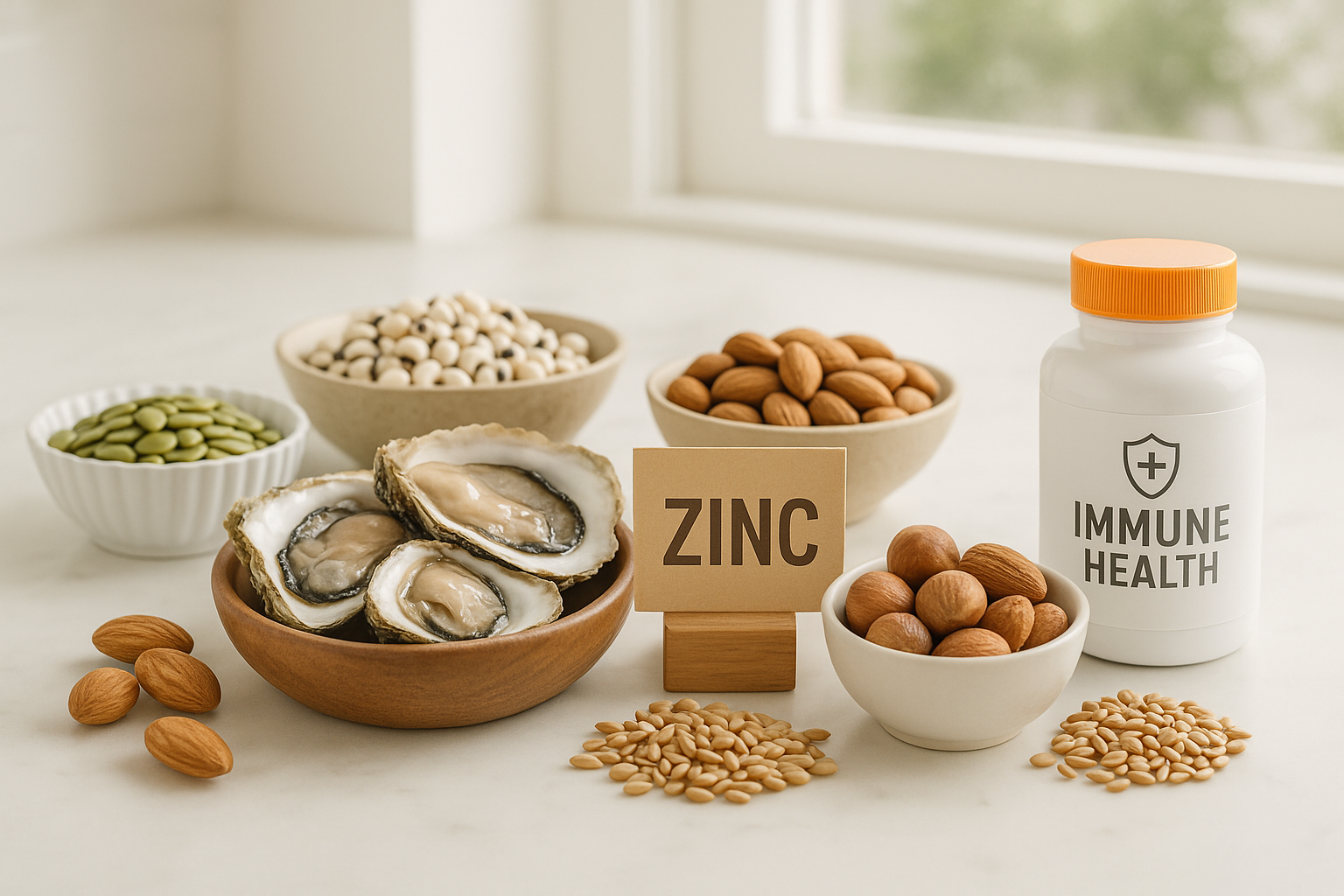
Some of the best zinc sources include oysters, crab, beef, poultry, beans, lentils, chickpeas, pumpkin seeds, cashews, yogurt, milk, fortified cereals, and whole grains. Animal-based sources are generally easier for the body to absorb. Plant foods can still contribute zinc, though phytates in grains and legumes may reduce absorption.
Signs of possible zinc deficiency
Low zinc levels can affect multiple body systems. Common signs may include frequent infections, slow wound healing, loss of appetite, changes in taste or smell, hair thinning, skin problems, diarrhea, and poor growth in children.

These symptoms can have many causes, so they do not prove a zinc deficiency on their own. A healthcare provider can evaluate symptoms, diet, medical history, and whether testing or supplementation is appropriate.
Who may be at higher risk of low zinc
Some people may be more likely to have inadequate zinc intake or absorption. This includes people with gastrointestinal disorders, those who have had certain digestive surgeries, people with alcohol use disorder, vegetarians or vegans with low zinc intake, pregnant or breastfeeding individuals, and older adults with limited diets.
Should you take a zinc supplement?
Zinc supplements can help when intake is low or deficiency is confirmed, but more is not always better. Taking too much zinc can cause nausea, stomach upset, reduced copper absorption, and other health problems. High-dose zinc can also interact with certain medications, including some antibiotics and diuretics.
For most people, the best first step is to include zinc-rich foods regularly. If you are considering a supplement, choose an appropriate dose and ask a healthcare professional for guidance.
Bottom line
Zinc is essential for a healthy immune response, normal wound healing, and maintaining protective barriers in the body. A balanced diet with zinc-rich foods can help support immune health, while persistent symptoms of deficiency should be discussed with a medical professional.
References
NIH Office of Dietary Supplements: Zinc Fact Sheet for Consumers