
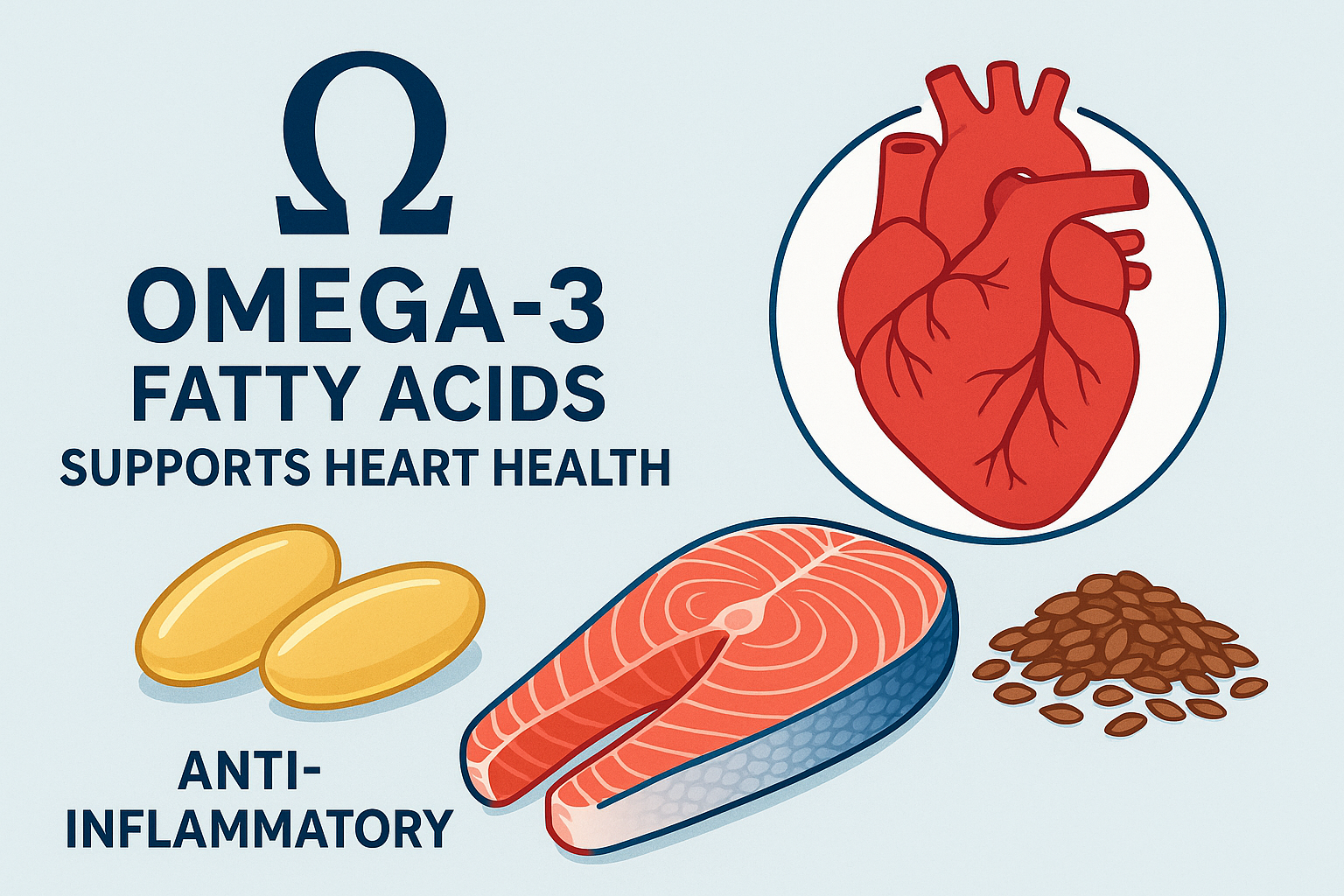
Omega 3 for Inflammation and Heart Health
How Omega 3 Fatty Acids Help Calm Inflammation and Support Heart Health
Omega 3 fatty acids are essential polyunsaturated fats that the body cannot produce on its own. They must be obtained through food or supplements. The most biologically active forms are eicosapentaenoic acid (EPA) and docosahexaenoic acid (DHA), primarily found in fatty fish such as salmon, mackerel, and sardines.
Understanding Inflammation
Inflammation is a natural immune response that helps the body fight infection and heal injury. However, chronic low grade inflammation is linked to conditions such as heart disease, arthritis, metabolic syndrome, and certain autoimmune disorders.
Omega 3 fatty acids help regulate the body’s inflammatory response rather than completely blocking it. This modulation is key to maintaining balance in the immune system.
How Omega 3 Reduces Inflammation
-
Supports Anti Inflammatory Molecules
EPA and DHA are converted into specialized pro resolving mediators, including resolvins and protectins. These compounds help turn off inflammatory responses once they are no longer needed. -
Competes with Omega 6 Fatty Acids
Omega 6 fatty acids can promote inflammatory signaling when consumed in excess. Omega 3s compete for the same enzymes, helping shift the balance toward less inflammatory byproducts. -
Lowers Inflammatory Markers
Research shows omega 3 supplementation may reduce markers such as C reactive protein and certain cytokines, which are associated with systemic inflammation.
Omega 3 and Heart Health
Cardiovascular disease is strongly linked to chronic inflammation. Omega 3 fatty acids support heart health in several evidence based ways:
- Reduce triglyceride levels
- Support healthy blood vessel function
- Help regulate heart rhythm
- Modestly lower blood pressure
- Decrease inflammatory stress on arteries
The American Heart Association and other major health organizations recognize omega 3 intake as part of a heart healthy dietary pattern, particularly through regular fish consumption.

Dietary Sources of Omega 3
Rich sources include:
- Fatty fish such as salmon, mackerel, sardines, and trout
- Flaxseeds and chia seeds
- Walnuts
- Algal oil for plant based DHA
For individuals who do not consume enough omega 3 rich foods, supplements may be considered under medical guidance.
How Much Omega 3 Is Needed
There is no single universal dosage for everyone. General dietary guidance encourages eating fish at least twice per week. Higher therapeutic doses for triglyceride lowering should only be taken under healthcare supervision.
The Bottom Line
Omega 3 for inflammation is supported by strong scientific evidence. By helping resolve inflammatory responses and protecting cardiovascular function, EPA and DHA contribute to long term heart health. Incorporating omega 3 rich foods into a balanced diet is a practical, research backed strategy for supporting overall wellness.