
Early Signs of Vitamin D Deficiency and How to Restore Optimal Levels Naturally
Why Vitamin D Matters
Vitamin D is a fat-soluble vitamin that functions more like a hormone in the body. It plays a critical role in:
- Calcium absorption and bone strength
- Immune system regulation
- Muscle function
- Inflammation control
- Mood regulation
According to the National Institutes of Health, vitamin D helps maintain proper blood levels of calcium and phosphorus, which are essential for building and maintaining strong bones.
Early Vitamin D Deficiency Symptoms
Many people with low vitamin D levels experience mild or nonspecific symptoms at first. Early signs may include:
1. Fatigue and Low Energy
Persistent tiredness despite adequate sleep is a common early complaint. Low vitamin D levels have been associated with reduced energy and increased fatigue.
2. Frequent Illness or Infections
Vitamin D supports immune defenses. Deficiency may increase susceptibility to respiratory infections and other illnesses.

3. Bone or Back Pain
Vitamin D deficiency can impair calcium absorption, contributing to bone discomfort, especially in the lower back.
4. Muscle Weakness or Aches
Low levels may lead to muscle weakness, cramps, or generalized aches.
5. Mood Changes
Research suggests a link between low vitamin D levels and mood disorders, including symptoms of depression.
6. Slow Wound Healing
Vitamin D plays a role in inflammation control and tissue repair, so deficiency may delay wound healing.
Who Is at Higher Risk?
Certain groups are more vulnerable to vitamin D deficiency:
- People with limited sun exposure
- Adults over age 65
- Individuals with darker skin
- People with obesity
- Those with malabsorption conditions such as celiac or Crohn’s disease
- Breastfed infants without supplementation
How to Restore Optimal Vitamin D Levels Naturally
1. Safe Sun Exposure
Sunlight triggers vitamin D production in the skin. Short periods (10 to 30 minutes) of midday sun exposure several times per week may help, depending on skin tone, location, and season. Avoid sunburn.
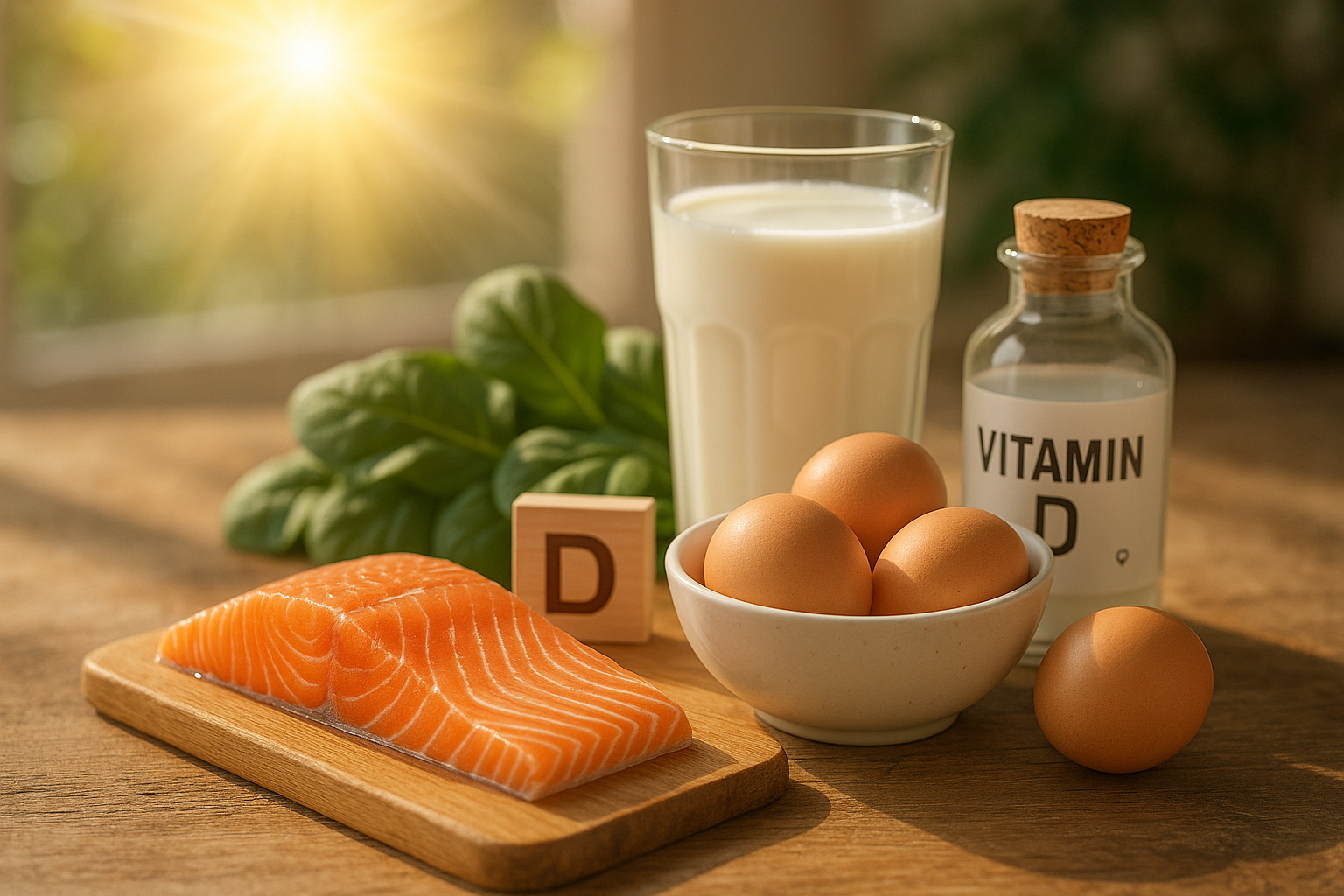
2. Increase Vitamin D-Rich Foods
Few foods naturally contain high amounts of vitamin D, but good sources include:
- Fatty fish such as salmon, mackerel, and sardines
- Cod liver oil
- Egg yolks
- Fortified milk, plant milks, and cereals
3. Consider Supplementation
When sunlight and diet are insufficient, vitamin D3 supplements may help restore levels. The recommended dietary allowance varies by age and health status. A blood test measuring 25-hydroxyvitamin D can determine your current level and guide dosing under medical supervision.
4. Support Nutrient Synergy
Vitamin D works closely with:
- Calcium
- Magnesium
- Vitamin K2
Ensuring balanced intake of these nutrients may help optimize bone and metabolic health.
When to Seek Medical Advice
Severe deficiency can lead to serious conditions such as osteomalacia in adults or rickets in children. Seek medical evaluation if you experience persistent bone pain, muscle weakness, or recurrent fractures.
A healthcare provider can order a blood test and recommend individualized treatment.
Key Takeaway
Vitamin D deficiency symptoms often begin subtly with fatigue, muscle weakness, mood changes, or frequent illness. Early recognition and natural strategies such as safe sun exposure, vitamin D-rich foods, and appropriate supplementation can help restore optimal levels and protect long-term health.
References: