Iron Deficiency Without Anemia: Symptoms and Natural Strategies to Rebuild Iron Stores
What Is Iron Deficiency Without Anemia
Iron deficiency without anemia means your body has depleted iron stores, often reflected by low ferritin levels, but hemoglobin remains in the normal range. Because hemoglobin is still normal, standard blood counts may not immediately flag a problem. However, iron plays critical roles beyond oxygen transport, including energy production, brain function, immune health, and muscle metabolism.
Common Symptoms
Symptoms can be subtle and develop gradually. They may include:
- Persistent fatigue or low energy
- Brain fog or difficulty concentrating
- Hair thinning or increased shedding
- Restless legs
- Headaches
- Reduced exercise tolerance
- Feeling cold more easily
- Brittle nails
These symptoms overlap with many other conditions, which is why lab testing that includes ferritin is important when iron deficiency is suspected.
Why Iron Stores Become Low
Common causes include:
- Heavy menstrual bleeding
- Pregnancy or postpartum recovery
- Low dietary iron intake
- Vegetarian or vegan diets without careful planning
- Frequent blood donation
- Gastrointestinal conditions affecting absorption
Identifying and addressing the root cause is essential for lasting improvement.
Natural Strategies to Rebuild Iron Stores
1. Increase Iron Rich Foods
There are two forms of dietary iron:
- Heme iron from animal foods, which is more easily absorbed
- Non heme iron from plant foods, which is less efficiently absorbed
Heme iron sources:
- Lean red meat
- Poultry
- Fish and shellfish
Non heme iron sources:
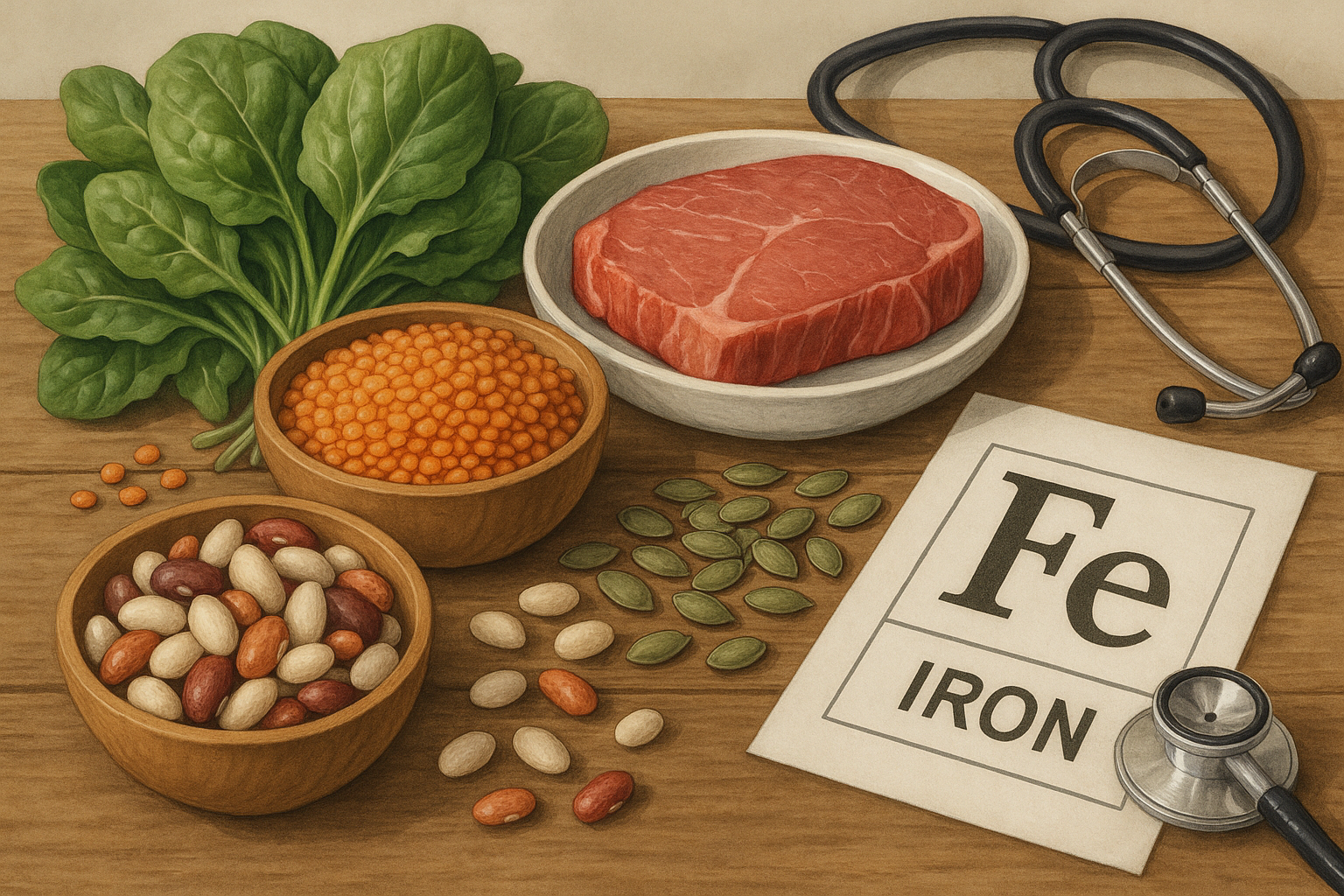
- Lentils and beans
- Tofu and tempeh
- Pumpkin seeds
- Spinach and other leafy greens
- Fortified cereals
Including a source of iron at most meals can gradually improve iron stores.
2. Pair Iron with Vitamin C
Vitamin C significantly enhances non heme iron absorption. Add foods such as:
- Citrus fruits
- Strawberries
- Bell peppers
- Broccoli
For example, combine lentils with tomatoes or spinach with lemon juice.
3. Reduce Iron Absorption Inhibitors at Meals
Certain compounds can reduce iron absorption when consumed at the same time:
- Tea and coffee
- Calcium supplements
- High dose dairy
Consider spacing these away from iron rich meals when rebuilding iron stores.
4. Support Gut Health
Healthy digestion supports nutrient absorption. Addressing conditions such as celiac disease, inflammatory bowel disease, or chronic gastritis with medical guidance can improve iron status.
5. Consider Iron Supplementation When Needed
Diet alone may not be enough for moderate or severe depletion. A healthcare professional may recommend an oral iron supplement and monitor ferritin and hemoglobin levels over time. Supplementation should be individualized to reduce side effects and avoid excess iron.
Monitoring Progress
Ferritin is commonly used to assess iron stores. Optimal levels vary by individual, but very low ferritin is strongly associated with symptoms even when hemoglobin is normal. Follow up testing helps ensure iron levels are improving safely.
Key Takeaway
Iron deficiency without anemia can significantly impact daily life despite normal hemoglobin levels. Early recognition of symptoms, targeted dietary strategies, and appropriate medical evaluation can help restore iron stores and prevent progression to anemia.
References: