
Zinc for Immune Support: How It Works and Signs You May Be Deficient
## Why Zinc Is Essential for Immune Health
Zinc is a trace mineral, meaning the body only needs small amounts, but its impact on immune function is significant. It is involved in the development, activation, and communication of immune cells. Without adequate zinc, the immune system cannot function efficiently.
Zinc supports the integrity of the skin and mucous membranes, which act as physical barriers against pathogens. It also plays a role in regulating inflammation, helping the body mount an effective immune response without overreacting.
## How Zinc Supports the Immune System
### 1. Supports Immune Cell Development
Zinc is essential for the production and maturation of key immune cells, including T cells and natural killer cells. These cells help identify and destroy viruses, bacteria, and other harmful invaders.

### 2. Helps Regulate Inflammation
A balanced inflammatory response is crucial. Too little inflammation can make it difficult to fight infections, while too much can damage healthy tissue. Zinc helps regulate signaling pathways that control inflammation.
### 3. Promotes Wound Healing
Zinc contributes to tissue repair and cell growth. This is especially important when the body is recovering from illness or injury.
### 4. May Reduce Duration of Common Illnesses
Research suggests that adequate zinc levels may help reduce the duration of common colds when taken early. Zinc appears to interfere with viral replication and supports immune response during infection.
## Signs You May Be Deficient in Zinc
Zinc deficiency can range from mild to severe. Even marginal deficiency may impair immune function.
Common signs include:
– Frequent colds or infections
– Slow wound healing
– Hair thinning or hair loss
– Changes in taste or smell
– Loss of appetite
– Persistent fatigue
– Skin rashes or irritation
Certain groups are at higher risk of deficiency, including older adults, individuals with digestive disorders, vegetarians and vegans with limited dietary variety, and those with chronic illnesses that affect nutrient absorption.
## Dietary Sources of Zinc
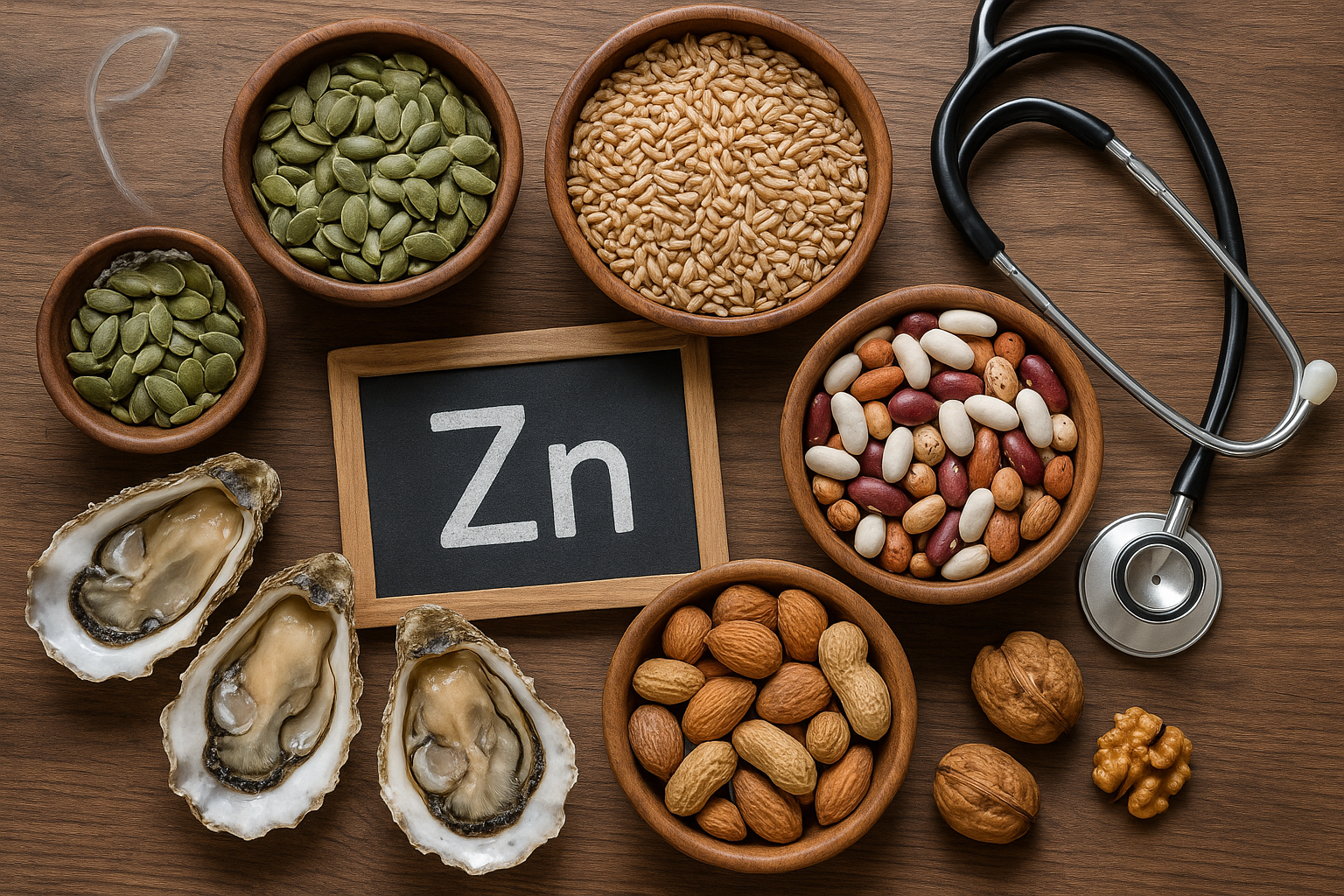
Zinc is naturally present in a variety of foods. Good sources include:
– Oysters and other shellfish
– Red meat and poultry
– Pumpkin seeds
– Beans and lentils
– Nuts and seeds
– Whole grains
– Dairy products
Animal based sources tend to be more bioavailable, meaning the body absorbs zinc from them more efficiently. Plant based sources can still contribute significantly, especially when part of a varied and balanced diet.
## How Much Zinc Do You Need
Daily zinc needs vary by age and sex. Adult men generally require more zinc than adult women. Pregnant and breastfeeding individuals may also have increased needs. It is important not to exceed recommended amounts unless directed by a healthcare professional, as excessive zinc intake can interfere with copper absorption and cause other side effects.
## Supporting Immune Health with Zinc
Maintaining adequate zinc levels is one important piece of overall immune support. A balanced diet, sufficient sleep, regular physical activity, and stress management all work together to keep the immune system functioning optimally.
If you suspect a zinc deficiency or are considering supplementation, consult a healthcare professional for personalized guidance and appropriate testing.