
Natural Sleep Remedies That Support Rest Without Harsh Side Effects
Natural Sleep Remedies That Support Rest Without Harsh Side Effects
Getting better sleep naturally usually starts with small, consistent habits that help your body recognize when it is time to wind down. While occasional restless nights are common, ongoing sleep problems can affect mood, focus, immune health, appetite, and overall well-being.
Natural remedies are not automatically risk-free, but many gentle strategies can support healthier sleep without the grogginess or dependency concerns people sometimes associate with stronger sleep aids.
Start With a Consistent Sleep Schedule
One of the most effective natural sleep supports is a regular sleep-wake rhythm. Going to bed and waking up at about the same time each day helps reinforce your circadian rhythm, the internal clock that influences sleepiness and alertness.
Try to:
- Wake up at the same time daily, including weekends
- Keep naps short, ideally around 20 to 30 minutes
- Avoid late-day naps if they make nighttime sleep harder
- Create a predictable bedtime routine that begins 30 to 60 minutes before bed
Consistency may feel simple, but it is one of the strongest foundations for better sleep.

Use Light to Support Your Body Clock
Light exposure plays a major role in sleep timing. Morning light helps signal wakefulness, while dimmer light in the evening supports the natural rise of melatonin.
Helpful habits include:
- Getting outdoor light soon after waking
- Opening curtains in the morning
- Dimming bright lights in the evening
- Reducing screen brightness at night
- Avoiding intense blue light close to bedtime when possible
If you use devices at night, consider night mode settings and give yourself screen-free time before bed.
Build a Calming Bedtime Routine
A relaxing routine can act as a bridge between daytime stress and sleep. The goal is to repeat calming cues that tell your nervous system it is safe to rest.
Gentle options include:
- Reading a calming book
- Taking a warm bath or shower
- Listening to quiet music
- Practicing slow breathing
- Doing light stretching
- Journaling worries or next-day tasks
A warm bath may be especially helpful because the body’s cooling process afterward can support sleepiness.
Try Relaxation Techniques
Stress and racing thoughts are common causes of poor sleep. Relaxation techniques may help lower physical tension and mental alertness.
Consider trying:
- Deep belly breathing
- Progressive muscle relaxation
- Guided imagery
- Mindfulness meditation
- Gentle yoga or stretching
A simple breathing practice is to inhale slowly through the nose, pause briefly, and exhale longer than you inhale. Longer exhales can help activate the body’s relaxation response.
Create a Sleep-Friendly Bedroom
Your sleep environment matters. A bedroom that is cool, dark, quiet, and comfortable can reduce sleep disruptions.
Try to optimize:
- Temperature: Many people sleep better in a slightly cool room
- Light: Use blackout curtains or a sleep mask if needed
- Noise: Consider earplugs, a fan, or white noise
- Comfort: Choose pillows and bedding that support your preferred sleep position
- Clutter: A calmer space may make it easier to relax
Reserve the bed mainly for sleep and intimacy so your brain associates it with rest rather than work, scrolling, or worry.
Be Mindful With Caffeine and Alcohol
Caffeine can stay active in the body for hours. Even if you can fall asleep after caffeine, it may reduce sleep quality.
Natural sleep support often includes:
- Limiting caffeine after lunch or early afternoon
- Watching hidden caffeine in tea, chocolate, energy drinks, and some medications
- Avoiding nicotine close to bedtime
- Limiting alcohol, which can fragment sleep later in the night
Alcohol may feel sedating at first, but it often leads to lighter, more disrupted sleep.
Consider Herbal Tea as a Bedtime Cue
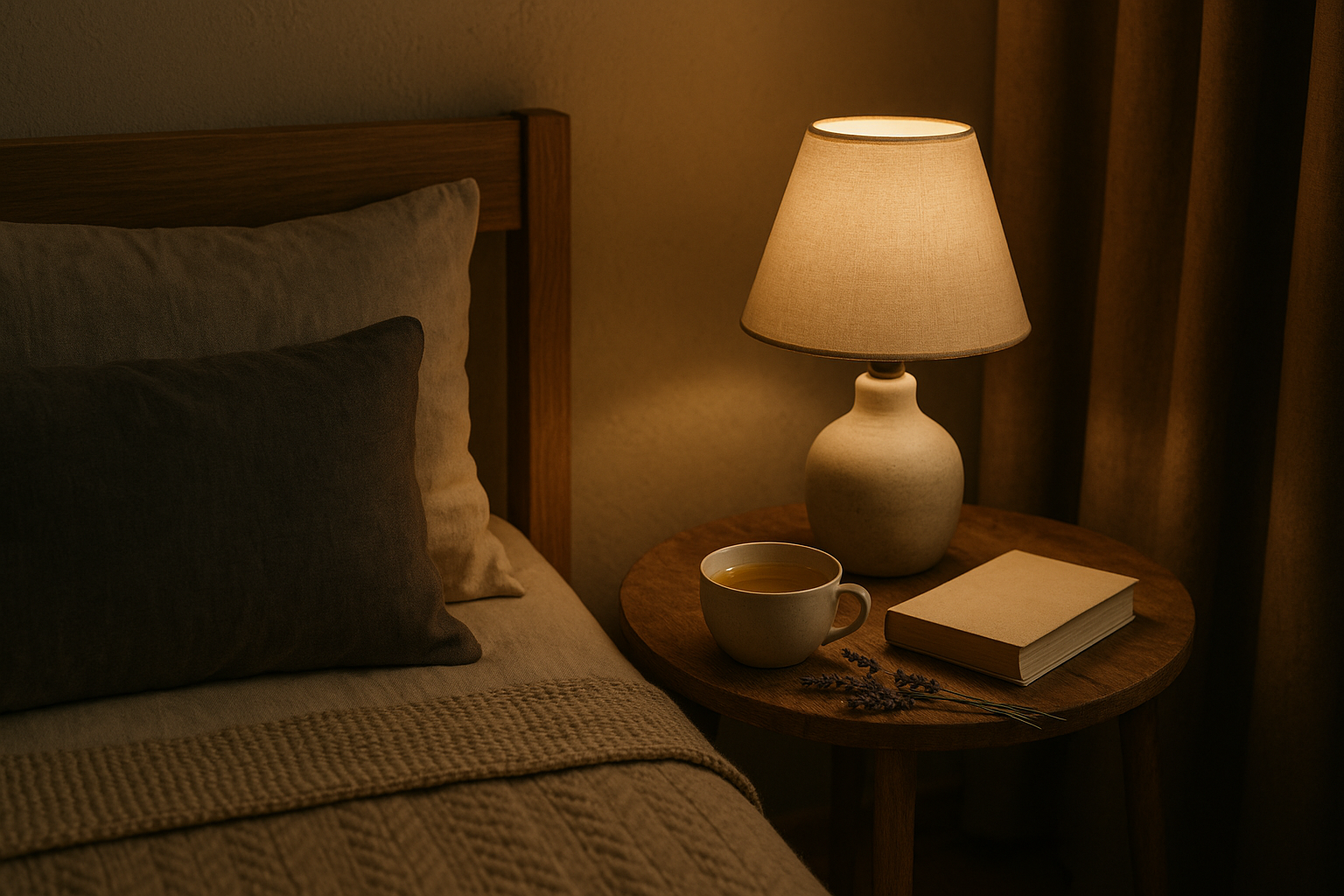
A warm, caffeine-free drink can be a soothing part of a nightly routine. Common options include chamomile, lemon balm, passionflower, and lavender tea.
Herbal teas may help mainly by creating a calming ritual. However, herbs can interact with medications or cause reactions in some people, so use caution if you have allergies, take sedatives, are pregnant, or have liver disease or other medical concerns.
Melatonin: Helpful for Timing, Not a Cure-All
Melatonin is a hormone involved in sleep timing. As a supplement, it may be most useful for certain circadian rhythm issues, such as jet lag or delayed sleep timing, rather than general insomnia for everyone.
Important safety points:
- Use the lowest effective amount if a clinician says it is appropriate
- Avoid combining it with alcohol or sedating medications unless approved by a professional
- Talk with a healthcare provider before giving it to children
- Check for next-day drowsiness, vivid dreams, headache, or dizziness
Melatonin should not replace healthy sleep habits or evaluation for persistent insomnia.
Magnesium and Sleep
Magnesium supports normal muscle and nerve function, and some people use it as part of a relaxation routine. Evidence for sleep benefits is mixed, but correcting low magnesium intake may support overall health.
Food sources include:
- Pumpkin seeds
- Almonds and cashews
- Spinach
- Black beans
- Whole grains
- Dark chocolate in modest amounts
Magnesium supplements can cause diarrhea and may interact with certain medications, including some antibiotics and osteoporosis medications. People with kidney disease should not take magnesium supplements unless directed by a healthcare professional.
Gentle Movement During the Day
Regular physical activity is one of the best natural supports for sleep quality. It may help reduce stress, support mood, and improve sleep depth.
Good options include:
- Walking
- Cycling
- Swimming
- Strength training
- Yoga
- Mobility work
For some people, intense exercise too close to bedtime can feel stimulating. If that happens, schedule vigorous workouts earlier and save gentle stretching for the evening.
Food Habits That Support Rest
Large, heavy meals close to bedtime can trigger reflux or discomfort. On the other hand, going to bed very hungry can also disturb sleep.
Helpful ideas:
- Finish large meals 2 to 3 hours before bed when possible
- Choose a light snack if hunger keeps you awake
- Limit spicy, greasy, or acidic foods late at night if reflux is an issue
- Stay hydrated during the day but reduce large fluid intake near bedtime
A balanced evening snack might include a small serving of yogurt, a banana, oatmeal, or whole-grain toast with nut butter.
When Natural Remedies Are Not Enough
Natural strategies can help many people, but persistent insomnia may need professional support. Cognitive behavioral therapy for insomnia, often called CBT-I, is a structured, evidence-based approach that helps address the thoughts and behaviors that maintain sleep problems.
Contact a healthcare professional if you:
- Have insomnia lasting more than a few weeks
- Snore loudly or stop breathing during sleep
- Wake up gasping or choking
- Have restless legs or frequent limb movements
- Feel excessively sleepy during the day
- Rely on alcohol, sedatives, or supplements to sleep
- Have depression, anxiety, chronic pain, or medication side effects affecting sleep
Sleep problems can have treatable causes, and identifying them is often the key to lasting improvement.
A Simple Natural Sleep Routine to Try
Here is a gentle routine you can adapt:
- Get morning sunlight within an hour of waking.
- Keep caffeine to the morning or early afternoon.
- Move your body during the day.
- Dim lights 60 minutes before bed.
- Put screens away or use low-light settings.
- Drink a caffeine-free herbal tea if it is safe for you.
- Do 5 minutes of slow breathing or stretching.
- Go to bed and wake up at consistent times.
Bottom Line
The best natural remedies for better sleep are usually the ones that support your body’s normal rhythm: consistent timing, morning light, evening calm, a comfortable bedroom, stress reduction, and smart choices around caffeine, alcohol, and supplements. If sleep problems continue, a healthcare professional can help identify the cause and recommend safe, effective next steps.