
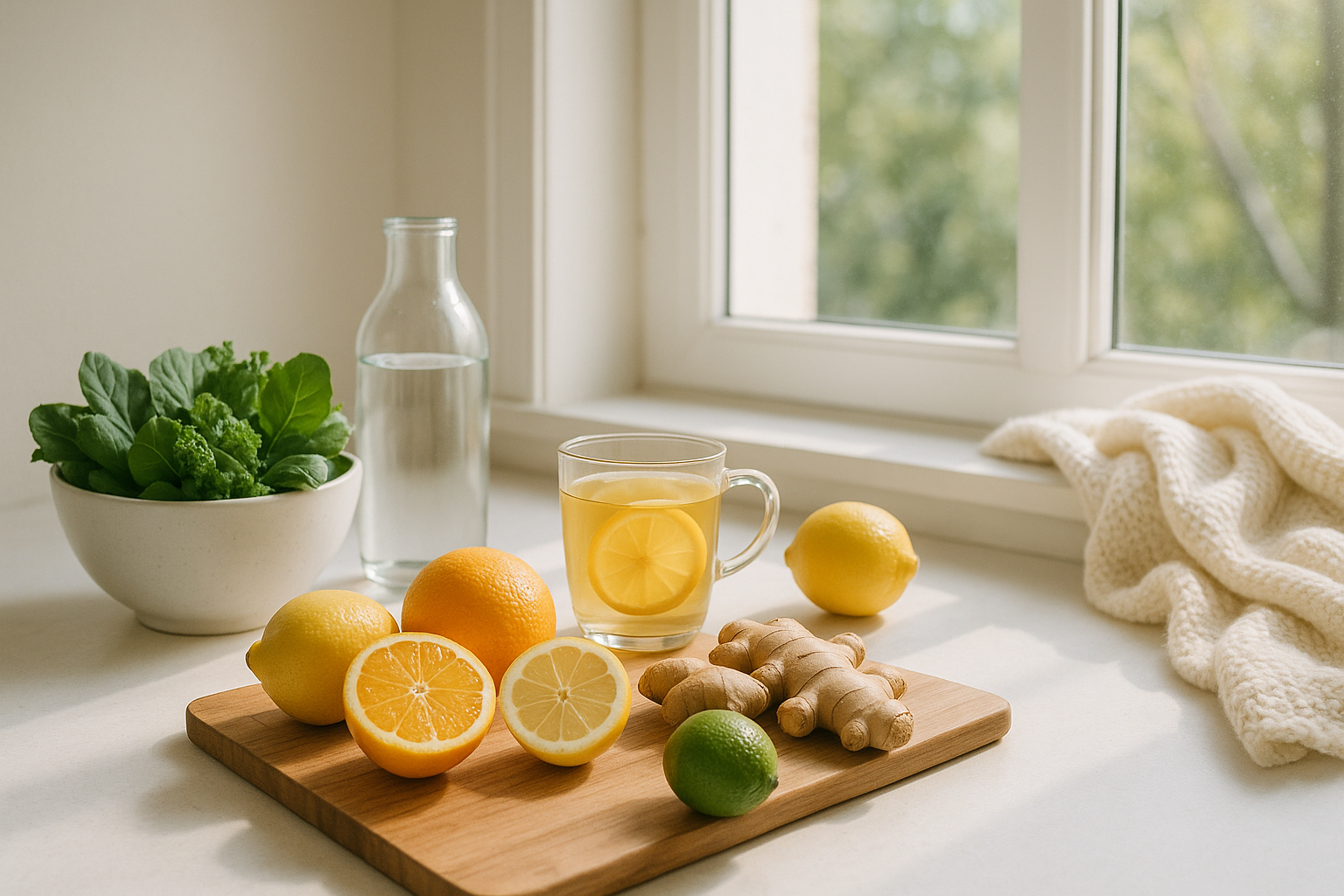
Natural Immune Support Remedies for Everyday Resilience During Stress and Seasonal Changes
Natural Immune Support Remedies for Everyday Resilience During Stress and Seasonal Changes
Your immune system is a complex network of cells, tissues, organs, and signaling molecules that helps protect the body from harmful microbes and supports repair. During periods of stress, poor sleep, heavy workloads, travel, and seasonal changes, many people look for natural immune support remedies to feel more resilient.
The most important point: immune support is not about forcing the immune system to become stronger at all times. A healthy immune system needs balance. It should respond efficiently when needed, calm down when the threat has passed, and avoid unnecessary inflammation. Natural remedies work best when they support that balance through daily habits.
What Natural Immune Support Really Means
Natural immune support means giving your body the resources it needs to maintain normal immune function. This includes adequate nutrients, rest, hydration, movement, sunlight or vitamin D support, stress management, and healthy gut habits.
It does not mean that a food, tea, herb, or supplement can prevent every infection. It also does not mean more is always better. Some supplements can interact with medications or be harmful at high doses. The safest strategy is to build a strong foundation first, then use targeted remedies thoughtfully.
1. Prioritize Sleep as Your Core Immune Remedy
Sleep is one of the most powerful natural immune support tools. During sleep, the body regulates inflammatory signals, supports immune memory, and restores energy needed for immune defense. Chronic short sleep can make it harder for the body to respond well to everyday challenges.

Practical sleep supports include:
- Keep a consistent sleep and wake schedule when possible.
- Get morning light exposure to support circadian rhythm.
- Reduce bright screens and stimulating work before bed.
- Keep the bedroom cool, dark, and quiet.
- Limit alcohol close to bedtime, as it can fragment sleep.
During seasonal changes, earlier sunsets, temperature shifts, and schedule disruptions can affect sleep quality. Treat sleep as a daily immune-support practice, not an optional luxury.
2. Build Meals Around Immune-Supportive Nutrients
A nutrient-dense eating pattern supports immune cells, antioxidant defenses, gut barrier function, and normal inflammatory balance. Instead of relying on one superfood, aim for variety.
Helpful foods include:
- Colorful fruits such as citrus, berries, kiwi, and apples.
- Vegetables such as leafy greens, bell peppers, broccoli, carrots, squash, and mushrooms.
- Protein foods such as beans, lentils, eggs, fish, poultry, tofu, yogurt, nuts, and seeds.
- Whole grains such as oats, brown rice, quinoa, and whole-grain bread.
- Healthy fats from olive oil, avocado, nuts, seeds, and fatty fish.
Protein is especially important because antibodies and many immune-signaling molecules are made from amino acids. If appetite drops during stress, simple options like soups, smoothies, yogurt bowls, lentil stew, eggs, or nut butter on whole-grain toast can help maintain intake.
3. Vitamin C: Helpful, But Not a Magic Shield
Vitamin C supports normal immune cell function and acts as an antioxidant. Many people associate vitamin C with immune support, and it is best obtained regularly through foods.
Food sources include:
- Oranges, grapefruit, lemons, and limes.
- Kiwi and strawberries.
- Bell peppers.
- Broccoli and Brussels sprouts.
- Potatoes and tomatoes.
For most people, eating vitamin C-rich foods daily is a practical approach. High-dose supplementation is not necessary for everyone and can cause digestive upset in some people. People with a history of kidney stones or certain medical conditions should ask a clinician before using high doses.
4. Vitamin D: A Seasonal Immune Consideration
Vitamin D plays a role in immune regulation. Levels may decline during fall and winter because of reduced sunlight exposure, indoor lifestyles, darker climates, higher latitudes, or covering most of the skin outdoors.
Natural ways to support vitamin D status include safe sunlight exposure, vitamin D-containing foods, and supplements when appropriate. Foods with vitamin D include fatty fish, egg yolks, and fortified milk or plant milks.
Because vitamin D needs vary widely, testing may be useful for people at risk of deficiency. Supplementing without guidance can lead to excessive intake, so it is wise to follow healthcare advice, especially if you have kidney disease, sarcoidosis, high calcium levels, or take medications that affect vitamin D metabolism.
5. Zinc: Support Normal Immune Function Without Overdoing It
Zinc is involved in immune cell development and function. It is found in oysters, beef, poultry, beans, lentils, pumpkin seeds, nuts, dairy, and whole grains.
Short-term zinc lozenges are sometimes used at the beginning of cold symptoms, but quality, dose, and timing matter. Long-term high-dose zinc can reduce copper levels and may cause other problems. Avoid intranasal zinc products, as they have been linked to loss of smell.
Food-first zinc support is the safest everyday strategy. If you use a supplement, stay within recommended limits unless supervised by a healthcare professional.
6. Hydration and Warm Fluids
Hydration supports circulation, mucous membranes, temperature regulation, digestion, and overall comfort. During colder months, people sometimes drink less water because they feel less thirsty. During stress, caffeine intake may rise, and hydration can become inconsistent.
Simple hydration remedies include:
- Keep water visible throughout the day.
- Use herbal teas, warm lemon water, or broth for variety.
- Eat hydrating foods such as soups, citrus, cucumber, and melon.
- Increase fluids when sweating, traveling, or spending time in heated indoor air.
Warm fluids may soothe the throat and support comfort, but they should be viewed as supportive care rather than a cure.
7. Gut Health and Fermented Foods
A large portion of immune activity is connected to the gut. The gut barrier, microbiome, and immune system communicate constantly. Supporting gut health can help maintain normal immune balance.
Gut-supportive habits include:
- Eat fiber-rich foods such as beans, lentils, oats, vegetables, fruit, nuts, and seeds.
- Include fermented foods if tolerated, such as yogurt with live cultures, kefir, sauerkraut, kimchi, miso, or tempeh.
- Limit excessive alcohol and highly processed foods.
- Eat regular meals when stress disrupts appetite.
Probiotic supplements may help some people in specific situations, but benefits depend on strain, dose, and health status. People who are immunocompromised or seriously ill should not use probiotics without medical guidance.
8. Herbs, Spices, and Traditional Remedies
Many traditional remedies use herbs and spices for comfort during seasonal changes. Common options include ginger, garlic, turmeric, thyme, cinnamon, elderberry, echinacea, and peppermint.
These can be enjoyable as part of meals or teas. For example, ginger tea with lemon, garlic in soup, turmeric in lentils, or thyme in broth can support hydration, warmth, and nutrient intake.
However, natural does not always mean risk-free. Herbal supplements can interact with blood thinners, diabetes medications, immune-suppressing drugs, antidepressants, and other prescriptions. Elderberry products vary in quality, echinacea may not be appropriate for some autoimmune conditions, and concentrated garlic or turmeric supplements can increase bleeding risk in certain situations.
Using culinary amounts in food is generally safer than taking concentrated extracts.
9. Stress Regulation for Immune Balance
Stress is not only emotional. It affects hormones, sleep, digestion, inflammation, and daily routines. Short-term stress is normal, but chronic stress can make it harder to maintain healthy immune function.
Natural stress-support practices include:
- Slow breathing for 2 to 5 minutes.
- Gentle walking outdoors.
- Stretching or yoga.
- Journaling before bed.
- Listening to calming music.
- Reducing unnecessary news or social media exposure.
- Maintaining social connection.
The goal is not to eliminate stress completely. The goal is to create daily recovery signals that tell the nervous system it is safe to downshift.
10. Movement Without Exhaustion
Moderate physical activity supports circulation, mood, sleep, metabolic health, and immune surveillance. Walking, cycling, swimming, dancing, yoga, resistance training, and active chores can all count.
During high-stress periods or when you feel run down, choose consistency over intensity. Overtraining, poor recovery, and inadequate calories can work against resilience. A 20-minute walk, light strength routine, or gentle mobility session may be more supportive than pushing through a draining workout.
11. Seasonal Change Checklist
As the weather shifts, use a simple seasonal routine:
- Check sleep consistency.
- Add one extra serving of colorful produce daily.
- Include protein at breakfast.
- Consider vitamin D status if sunlight is limited.
- Keep warm fluids available.
- Wash hands regularly and avoid touching your face in crowded settings.
- Ventilate indoor spaces when possible.
- Keep up with recommended vaccines and preventive care.
- Rest early when symptoms begin.
Natural immune support works best when combined with practical public health habits.
When to Seek Medical Advice
Contact a healthcare professional if you have persistent fever, difficulty breathing, chest pain, severe dehydration, confusion, symptoms that worsen after improving, frequent infections, unexplained weight loss, or immune concerns related to a medical condition or medication.
You should also ask for guidance before taking supplements if you are pregnant, breastfeeding, older, immunocompromised, preparing for surgery, taking blood thinners, or managing chronic conditions such as kidney disease, liver disease, autoimmune disease, diabetes, or heart disease.
The Bottom Line
The best natural immune support remedies are the habits that help your body function well every day: enough sleep, balanced meals, hydration, movement, stress recovery, gut-supportive foods, and appropriate nutrients such as vitamin C, vitamin D, and zinc. Herbs and teas can add comfort, but they should complement, not replace, the fundamentals.
For everyday resilience during stress and seasonal changes, think in terms of rhythm and consistency. Small daily choices create a stronger foundation than any single quick fix.
References
NIH Office of Dietary Supplements: Vitamin D
NIH Office of Dietary Supplements: Vitamin C
NIH Office of Dietary Supplements: Zinc
MedlinePlus: Immune Response