
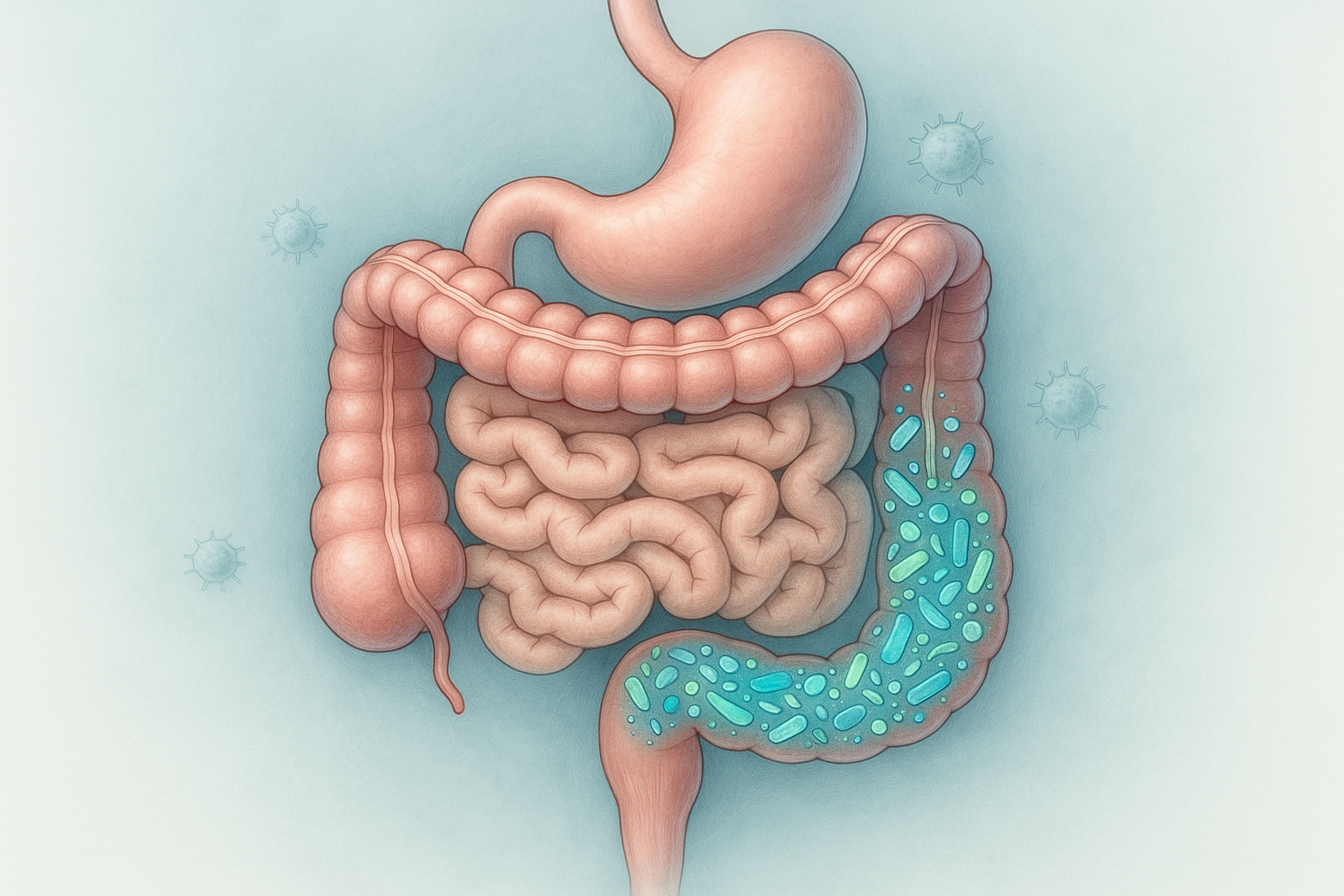
The Connection Between Gut Health and Chronic Inflammation
The Connection Between Gut Health and Chronic Inflammation
Gut health and inflammation are deeply linked. The gastrointestinal tract is not only responsible for digestion and nutrient absorption; it also plays a central role in immune regulation. A large portion of the immune system interacts with the gut, where it must distinguish between helpful microbes, food particles, and potential threats.
When the gut environment is balanced, it can help support normal immune responses. When it is disrupted, immune signaling may become more active, potentially contributing to chronic low-grade inflammation.
What Is Gut Health?
Gut health generally refers to how well the digestive system functions and how balanced the gut environment is. Key parts of gut health include:
- A diverse and stable gut microbiome
- A strong intestinal barrier
- Regular digestion and bowel movements
- Healthy immune communication in the gut
- Adequate production of beneficial microbial byproducts, such as short-chain fatty acids
The gut microbiome is the community of bacteria, fungi, viruses, and other microorganisms that live in the digestive tract. Many of these microbes help break down fiber, produce useful compounds, influence metabolism, and communicate with immune cells.
What Is Chronic Inflammation?
Inflammation is a normal immune response. Acute inflammation helps the body respond to injury or infection. Chronic inflammation, however, is longer-lasting and may occur when the immune system remains activated over time.

Chronic inflammation has been studied in connection with many health conditions, including cardiovascular disease, metabolic disorders, autoimmune conditions, inflammatory bowel disease, and certain digestive disorders. It is not always caused by the gut, but gut function can influence inflammatory pathways throughout the body.
How the Gut Influences Inflammation
The gut can affect inflammation through several overlapping mechanisms.
1. The Gut Microbiome Helps Train the Immune System
A balanced microbiome helps the immune system respond appropriately. Beneficial microbes can support immune tolerance, meaning the body is less likely to overreact to harmless substances.
When the microbiome becomes imbalanced, sometimes called dysbiosis, the immune system may receive different signals. This can contribute to a more inflammatory environment in some people.
2. The Intestinal Barrier Helps Control What Enters the Body
The intestinal lining acts as a selective barrier. It allows nutrients and water to pass through while helping keep harmful substances, pathogens, and unwanted particles out of circulation.
If the intestinal barrier becomes disrupted, immune cells may be exposed to more inflammatory triggers. Researchers continue to study how intestinal permeability relates to chronic inflammatory diseases.
3. Gut Bacteria Produce Anti-Inflammatory Compounds
When beneficial gut bacteria ferment dietary fiber, they produce short-chain fatty acids, including butyrate. These compounds help nourish cells in the colon and may support immune balance.
A diet low in fiber may reduce the fuel available for these beneficial bacteria. Over time, this can affect microbial diversity and the production of compounds involved in healthy immune regulation.
4. Diet Shapes the Gut Environment
Diet is one of the strongest influences on the gut microbiome. Diets rich in fruits, vegetables, legumes, whole grains, nuts, seeds, and fermented foods tend to support microbial diversity.
In contrast, diets high in ultra-processed foods, added sugars, and low-quality fats may be associated with less favorable gut microbial patterns and higher inflammatory markers in some studies.
5. Lifestyle Factors Affect Both Gut Health and Inflammation
Gut health is not only about food. Sleep, stress, movement, alcohol intake, smoking, medications, and illness can all influence the gut and immune system.
Chronic stress, for example, can affect gut motility, digestive symptoms, and immune signaling. Poor sleep may also contribute to systemic inflammation and alter microbial balance.
Signs Your Gut May Need Support
Digestive symptoms do not always mean chronic inflammation is present, but they can be a signal to pay attention. Common signs of gut imbalance may include:
- Frequent bloating or gas
- Irregular bowel movements
- Ongoing diarrhea or constipation
- Abdominal discomfort
- Food-related digestive symptoms
- Unexplained changes in appetite or stool patterns
Seek medical care promptly if you experience blood in the stool, persistent vomiting, unexplained weight loss, severe abdominal pain, fever, anemia, trouble swallowing, or symptoms that wake you from sleep.
How to Support Gut Health and Healthy Inflammation Levels
Eat More Fiber-Rich Plant Foods
Fiber feeds beneficial gut bacteria and supports regular bowel movements. Good sources include beans, lentils, oats, barley, berries, apples, vegetables, chia seeds, flaxseed, and whole grains.
Increase fiber gradually and drink enough water to reduce bloating or discomfort.
Include Fermented Foods if Tolerated
Fermented foods may help support microbial diversity. Examples include yogurt with live cultures, kefir, sauerkraut, kimchi, tempeh, and miso.
People who are immunocompromised or have complex medical conditions should ask a healthcare professional before adding unpasteurized fermented foods or probiotic supplements.
Choose an Anti-Inflammatory Eating Pattern
A Mediterranean-style eating pattern is often recommended for overall health. It emphasizes vegetables, fruits, legumes, whole grains, olive oil, nuts, seeds, herbs, spices, and fish, while limiting ultra-processed foods and excessive added sugar.
Limit Ultra-Processed Foods
Highly processed foods can be low in fiber and high in additives, refined starches, added sugars, and unhealthy fats. Reducing these foods may help improve overall diet quality and support a healthier gut environment.
Prioritize Sleep and Stress Management
Consistent sleep and stress reduction can support both digestive and immune function. Helpful habits may include regular sleep timing, morning light exposure, mindfulness, breathing exercises, physical activity, and limiting alcohol close to bedtime.
Use Antibiotics Only When Needed
Antibiotics can be lifesaving, but they can also disrupt the gut microbiome. Use antibiotics only when prescribed and take them exactly as directed. Ask your healthcare professional whether diet or probiotics are appropriate during or after treatment.
Are Probiotics Helpful for Inflammation?
Probiotics may be helpful for certain conditions, but their effects depend on the strain, dose, person, and health goal. They are not a universal solution for chronic inflammation.
If you are considering a probiotic, choose products with clearly listed strains and colony-forming units, and discuss them with a healthcare professional if you are pregnant, immunocompromised, seriously ill, or taking medications.
The Bottom Line
The connection between gut health and chronic inflammation centers on the microbiome, intestinal barrier, immune signaling, and diet. A diverse, fiber-supported gut microbiome may help the immune system stay balanced, while gut disruption may contribute to inflammatory activity in some people.
The most evidence-aligned approach is to focus on consistent fundamentals: eat more plant fiber, choose minimally processed foods, include fermented foods if tolerated, sleep well, manage stress, move regularly, and seek medical evaluation for persistent or concerning symptoms.