
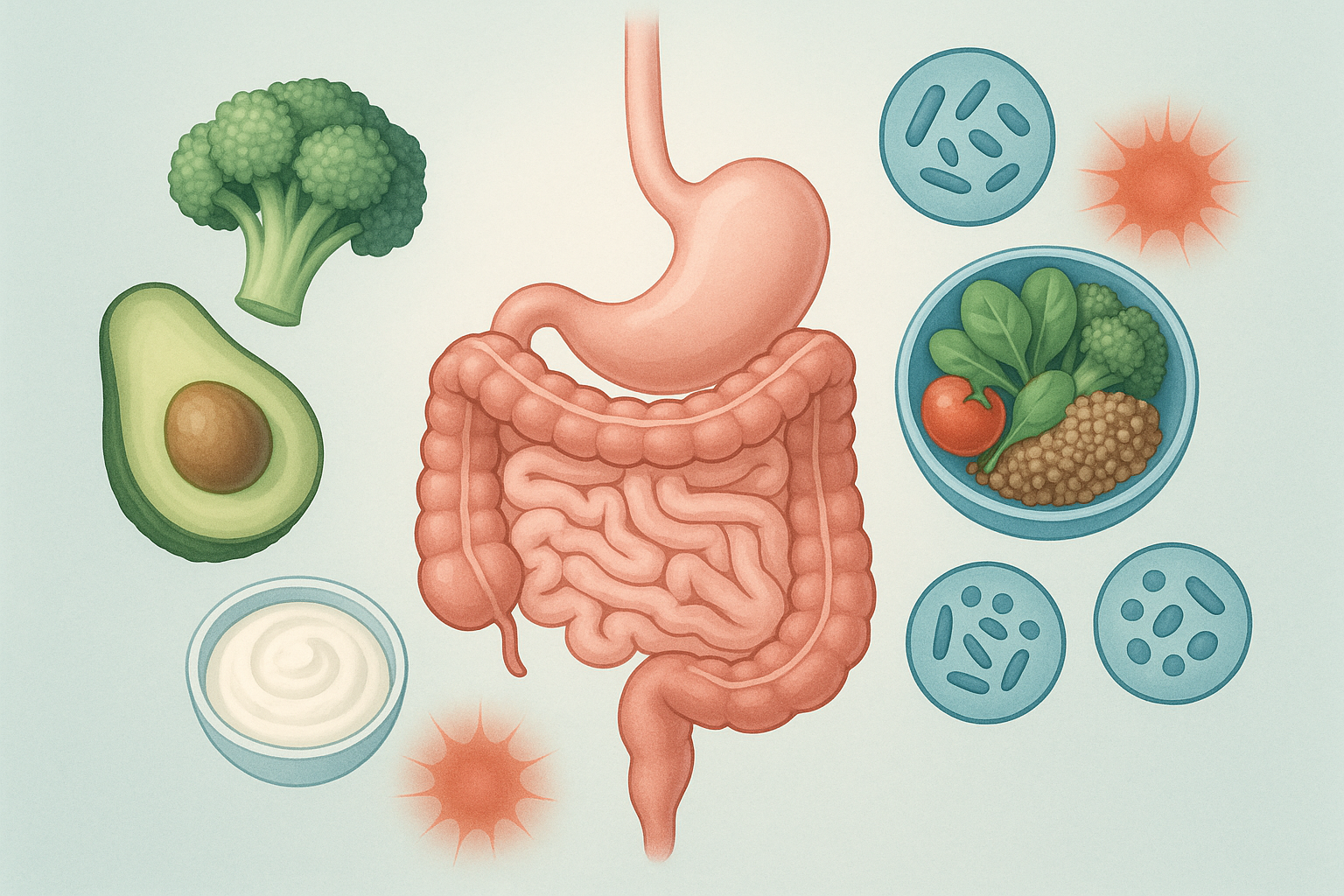
The Connection Between Gut Health and Chronic Inflammation
The Connection Between Gut Health and Chronic Inflammation
Gut health and inflammation are deeply linked. The gastrointestinal tract is not only responsible for digestion and nutrient absorption; it also plays a major role in immune regulation. A large portion of the immune system interacts directly with the gut, where it must distinguish between helpful microbes, food particles, and potential threats.
When this system is balanced, the gut helps support normal immune function. When it is disrupted, inflammatory pathways may become more active. Over time, low-grade chronic inflammation can affect digestive health and may also be associated with metabolic, immune, and cardiovascular concerns.
What Is Gut Health?
Gut health refers to the proper function of the digestive tract, the integrity of the intestinal lining, and the balance of the gut microbiome. The microbiome is the community of bacteria, fungi, viruses, and other microorganisms that live primarily in the intestines.
A healthy gut typically supports:
- Efficient digestion and nutrient absorption
- A diverse and balanced microbiome
- A strong intestinal barrier
- Normal immune signaling
- Regular bowel patterns
- Production of beneficial compounds such as short-chain fatty acids
Gut health is not defined by one single marker. It is influenced by diet, medication use, infections, sleep, stress, physical activity, age, and underlying medical conditions.

What Is Chronic Inflammation?
Inflammation is a normal immune response that helps the body respond to injury, infection, or harmful stimuli. Acute inflammation is short-term and protective. Chronic inflammation is different. It can persist for weeks, months, or years and may remain active even when there is no immediate threat.
Chronic low-grade inflammation has been studied in connection with conditions such as inflammatory bowel disease, type 2 diabetes, obesity, cardiovascular disease, autoimmune disorders, and some liver and metabolic conditions. The relationship is complex, and inflammation is usually one part of a larger picture.
How the Gut and Immune System Communicate
The gut lining acts as a selective barrier. It allows nutrients and water to pass into the body while helping keep harmful substances, pathogens, and toxins out. Immune cells located in and around the gut constantly monitor what passes through the digestive tract.
The gut microbiome helps train and regulate this immune response. Beneficial microbes produce metabolites, including short-chain fatty acids, that may help maintain the intestinal barrier and influence inflammatory signaling.
When the microbiome is diverse and balanced, immune communication tends to be more regulated. When the microbiome is disrupted, the immune system may become more reactive.
Dysbiosis: When the Gut Microbiome Is Out of Balance
Dysbiosis means an imbalance in the gut microbial community. This may involve reduced microbial diversity, lower levels of beneficial organisms, or increased levels of potentially harmful organisms.
Potential contributors to dysbiosis include:
- Diets low in fiber and high in ultra-processed foods
- Frequent or inappropriate antibiotic use
- Chronic stress
- Poor sleep
- Gastrointestinal infections
- Excessive alcohol intake
- Certain medications
- Chronic disease states
Dysbiosis does not always cause symptoms, but it has been associated with increased inflammatory activity in some research. Scientists are still learning which microbiome patterns are most important and how they differ between individuals.
Intestinal Barrier Function and Inflammation
The intestinal barrier is sometimes described as a gatekeeper. Its job is to regulate what enters the bloodstream from the digestive tract. If barrier function is compromised, bacterial fragments, toxins, or incompletely digested compounds may interact more strongly with immune cells.
This can increase inflammatory signaling in some circumstances. Researchers often discuss this concept in relation to intestinal permeability. However, it is important to avoid oversimplifying the issue. Gut barrier function is complex, and symptoms such as bloating, fatigue, or discomfort can have many causes.
If you have persistent digestive symptoms, unexplained weight loss, blood in the stool, fever, chronic diarrhea, or severe abdominal pain, seek medical evaluation.
Diet Patterns That Support Gut and Immune Health
Diet is one of the most important modifiable factors for gut health. A gut-supportive eating pattern generally emphasizes fiber-rich, minimally processed foods.
Helpful choices may include:
- Vegetables and fruits
- Beans, lentils, and peas
- Whole grains such as oats, barley, and brown rice
- Nuts and seeds
- Fermented foods such as yogurt with live cultures, kefir, sauerkraut, or kimchi
- Foods rich in omega-3 fatty acids, such as fatty fish, walnuts, chia seeds, and flaxseed
- Herbs and spices such as turmeric, ginger, and garlic as part of a balanced diet
Fiber is especially important because many gut microbes ferment fiber into short-chain fatty acids. These compounds may help support the gut lining and immune regulation.
Foods and Habits That May Promote Inflammation
No single food determines inflammatory status, but long-term dietary patterns matter. Diets high in ultra-processed foods, added sugars, refined grains, and low-quality fats may be associated with less favorable metabolic and inflammatory profiles.
Alcohol can also irritate the gut and affect the microbiome, especially when intake is heavy or frequent. For some people, specific foods may worsen symptoms due to intolerances, allergies, irritable bowel syndrome, celiac disease, or inflammatory bowel disease. These situations require individualized guidance.
Probiotics, Prebiotics, and Supplements
Probiotics are live microorganisms that may provide a health benefit when taken in adequate amounts. Prebiotics are compounds, often fibers, that feed beneficial microbes.
Some probiotic strains may help with specific conditions, such as certain types of diarrhea or symptoms of irritable bowel syndrome, but benefits are strain-specific and not guaranteed. A general probiotic is not a cure for chronic inflammation.
Supplements such as vitamin D, omega-3 fatty acids, and certain fibers may be useful for some people, but they should be chosen based on individual needs. People who are pregnant, immunocompromised, chronically ill, or taking medications should speak with a healthcare professional before using supplements.
Lifestyle Factors That Affect Gut Health and Inflammation
Gut health is not only about food. Several lifestyle factors influence the microbiome and inflammatory regulation.
Important habits include:
- Getting consistent, adequate sleep
- Managing chronic stress
- Engaging in regular physical activity
- Avoiding tobacco
- Limiting alcohol
- Using antibiotics only when medically appropriate
- Treating underlying digestive or metabolic conditions
Stress is particularly relevant because the gut and brain communicate through the gut-brain axis. Chronic stress may alter motility, sensitivity, immune activity, and microbial balance.
Signs Your Gut May Need Medical Attention
Occasional digestive discomfort is common, but some symptoms should not be ignored. Contact a healthcare professional if you experience:
- Blood in the stool
- Persistent diarrhea or constipation
- Unexplained weight loss
- Ongoing abdominal pain
- Difficulty swallowing
- Recurrent vomiting
- Fever with digestive symptoms
- Symptoms that wake you at night
- New digestive symptoms after age 50
Medical evaluation can help identify conditions such as inflammatory bowel disease, celiac disease, infections, ulcers, gallbladder disease, pancreatic problems, or colorectal cancer.
Practical Steps to Support Gut Health and Reduce Inflammatory Burden
Start with sustainable habits rather than extreme protocols. A practical plan may include:
- Add one high-fiber food daily, such as beans, oats, berries, or vegetables.
- Include a variety of plant foods each week to support microbial diversity.
- Choose fermented foods if tolerated.
- Reduce ultra-processed foods and sugary drinks.
- Prioritize sleep and stress management.
- Move your body regularly.
- Discuss persistent symptoms with a clinician instead of self-diagnosing.
Key Takeaway
The connection between gut health and chronic inflammation centers on the microbiome, intestinal barrier, and immune system. A balanced gut can help regulate immune responses, while dysbiosis and poor barrier function may contribute to inflammatory signaling. Diet and lifestyle changes can support gut health, but chronic symptoms or suspected inflammatory disease should be evaluated by a qualified healthcare professional.
References
NIH: The gut microbiome and immune system interaction
MedlinePlus: Gastrointestinal diseases