
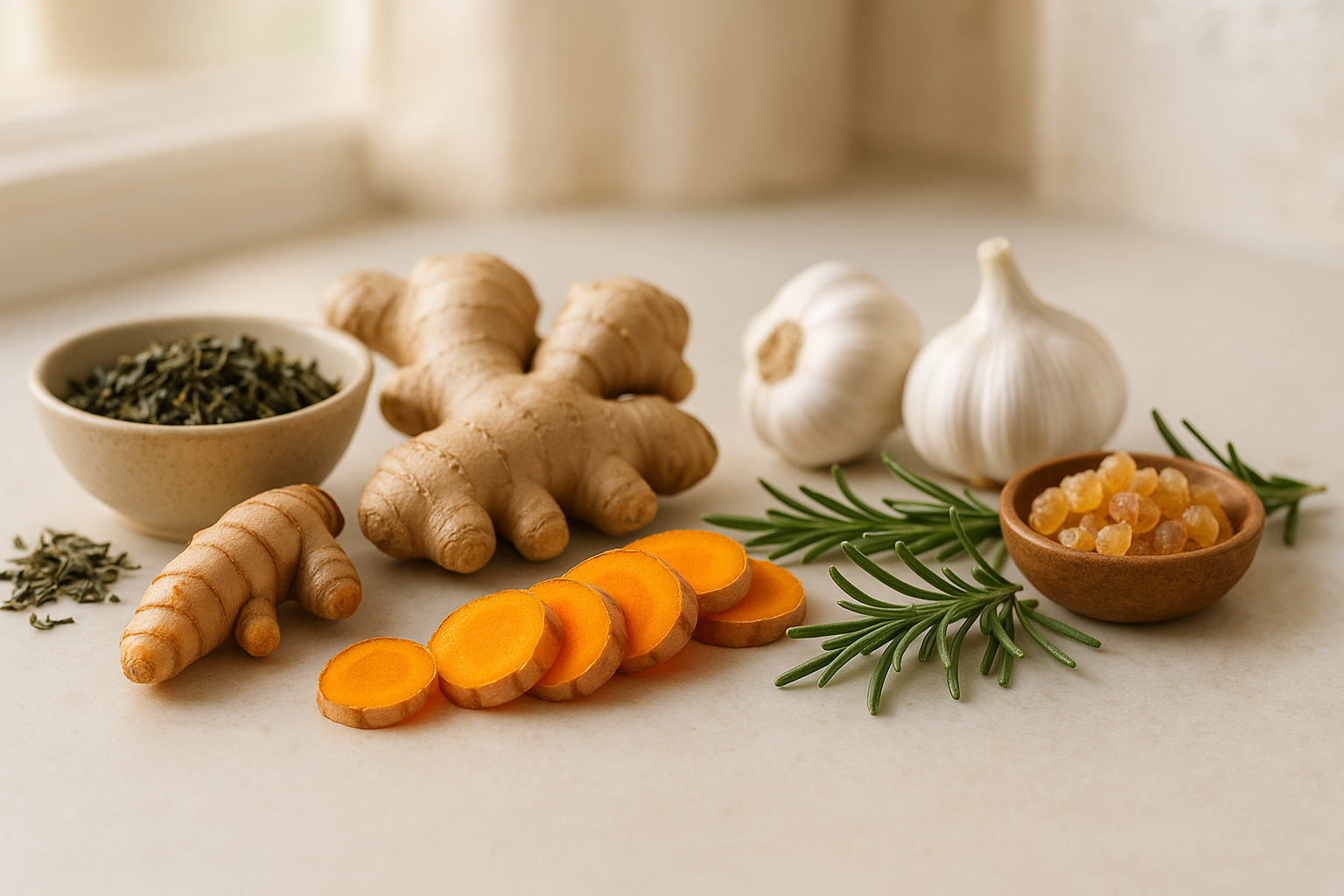
Anti Inflammatory Herbs That May Support Joint Comfort and Whole Body Wellness
Anti Inflammatory Herbs That May Support Joint Comfort and Whole Body Wellness
Inflammation is part of the body’s normal defense and repair system. Short-term inflammation helps the body respond to injury or infection, but ongoing inflammation may contribute to discomfort and may play a role in many chronic health concerns. Because of this, many people explore anti inflammatory herbs as part of a broader wellness plan.
Herbs are not quick fixes, and they do not replace medical treatment. However, certain herbs contain plant compounds that have been studied for their potential effects on oxidative stress, inflammatory signaling, and joint comfort.
What Makes an Herb Anti Inflammatory?
Many herbs contain bioactive compounds such as polyphenols, flavonoids, terpenes, sulfur compounds, and curcuminoids. These compounds may help support the body’s natural inflammatory balance in several ways, including antioxidant activity and influence on inflammatory pathways.
The best results usually come from a full lifestyle approach that includes nutrient-dense food, regular movement, adequate sleep, stress management, and appropriate medical care when needed.
Turmeric
Turmeric is one of the most widely discussed anti inflammatory herbs. Its main active compounds are curcuminoids, especially curcumin. Curcumin has been studied for its potential role in supporting inflammatory balance and joint comfort.

Turmeric is commonly used in curries, soups, rice dishes, smoothies, and golden milk. Curcumin is not absorbed very well on its own, so many supplement products include black pepper extract, also called piperine, to improve absorption. This combination may not be appropriate for everyone, especially people taking certain medications.
Ginger
Ginger is a culinary and medicinal root traditionally used for digestion, nausea, and general wellness. It contains compounds such as gingerols and shogaols that have been studied for antioxidant and anti inflammatory activity.
Ginger can be used fresh, dried, powdered, or as tea. It pairs well with lemon, turmeric, garlic, soups, stir-fries, and warm beverages. People taking blood thinners or preparing for surgery should ask a clinician before using concentrated ginger supplements.
Boswellia
Boswellia, also known as Indian frankincense, comes from the resin of Boswellia trees. Its key compounds, called boswellic acids, have been studied for effects related to inflammatory pathways and joint comfort.
Boswellia is most often used as a supplement rather than a kitchen herb. Product quality and standardization can vary, so it is important to choose reputable brands and discuss use with a healthcare professional.
Green Tea
Green tea is rich in catechins, including EGCG, a polyphenol studied for antioxidant and anti inflammatory properties. While green tea is not usually thought of as an herb in the same way as turmeric or ginger, it is a plant-based beverage that may support whole body wellness.
Unsweetened green tea can be a simple addition to a daily routine. People sensitive to caffeine can choose lower-caffeine options or decaffeinated green tea.
Garlic
Garlic contains sulfur compounds, including allicin-related compounds, that have been studied for cardiovascular and immune-related benefits. Garlic may also support a balanced inflammatory response as part of a healthy diet.
Fresh garlic can be added to vegetables, sauces, soups, beans, and lean proteins. Concentrated garlic supplements may increase bleeding risk for some people, especially when combined with blood-thinning medications.
Rosemary
Rosemary contains rosmarinic acid and other antioxidant compounds. It is often used in Mediterranean-style meals and may help support a nutrient-rich anti inflammatory eating pattern.
Rosemary works well with roasted vegetables, potatoes, poultry, fish, beans, olive oil, and lemon. Culinary use is generally different from high-dose extracts, which should be used more cautiously.
Cinnamon
Cinnamon contains polyphenols and is commonly used in oatmeal, yogurt, smoothies, tea, and baked foods. Some research has explored cinnamon for metabolic health markers, which may be relevant to whole body wellness.
Cassia cinnamon contains coumarin, which can be harmful in high amounts. People who use cinnamon frequently may prefer Ceylon cinnamon and should avoid taking large doses without professional guidance.
How to Use Anti Inflammatory Herbs Safely
Start with food first when possible. Culinary amounts of herbs are generally easier to incorporate and may be safer than concentrated extracts.
Introduce one new herb or supplement at a time. This makes it easier to notice side effects or sensitivities.
Be cautious with supplements if you are pregnant, breastfeeding, taking medication, living with liver or kidney disease, managing a bleeding disorder, or preparing for surgery.
Choose quality products. Look for third-party testing, clear labeling, and standardized extracts when using supplements.
Do not use herbs to delay diagnosis or treatment. Persistent joint pain, swelling, stiffness, fever, unexplained fatigue, or loss of mobility should be evaluated by a healthcare professional.
Lifestyle Habits That Work Well With Herbs
Anti inflammatory herbs may be most helpful when paired with a supportive lifestyle. Consider a pattern that includes colorful vegetables and fruits, beans, lentils, nuts, seeds, whole grains, olive oil, fish or other omega-3 sources, regular physical activity, and consistent sleep.
Limiting ultra-processed foods, excess added sugar, heavy alcohol intake, and smoking may also support healthier inflammatory balance.
Bottom Line
Anti inflammatory herbs such as turmeric, ginger, boswellia, green tea, garlic, rosemary, and cinnamon may support joint comfort and whole body wellness for some people. The safest approach is to use herbs as part of a balanced lifestyle and to consult a healthcare professional before taking concentrated supplements, especially if you have a medical condition or take medication.