
Everyday Foods That Support Natural Liver Function and Detox Pathways
Everyday Foods That Support Natural Liver Function and Detox Pathways
The liver is one of the body’s most important metabolic organs. It helps process nutrients, produce bile, store vitamins and minerals, regulate blood lipids, and transform many substances so they can be eliminated through bile or urine. Because the liver already has built-in detox pathways, the most evidence-aligned approach is to support those pathways with everyday dietary patterns rather than short-term cleanses.
What liver support really means
Liver support foods do not flush toxins in a dramatic overnight way. Instead, they can help create the conditions your liver needs to function well. That includes adequate protein for enzyme systems, fiber for gut and cholesterol support, antioxidants to help manage oxidative stress, and healthy fats that support cardiometabolic health.
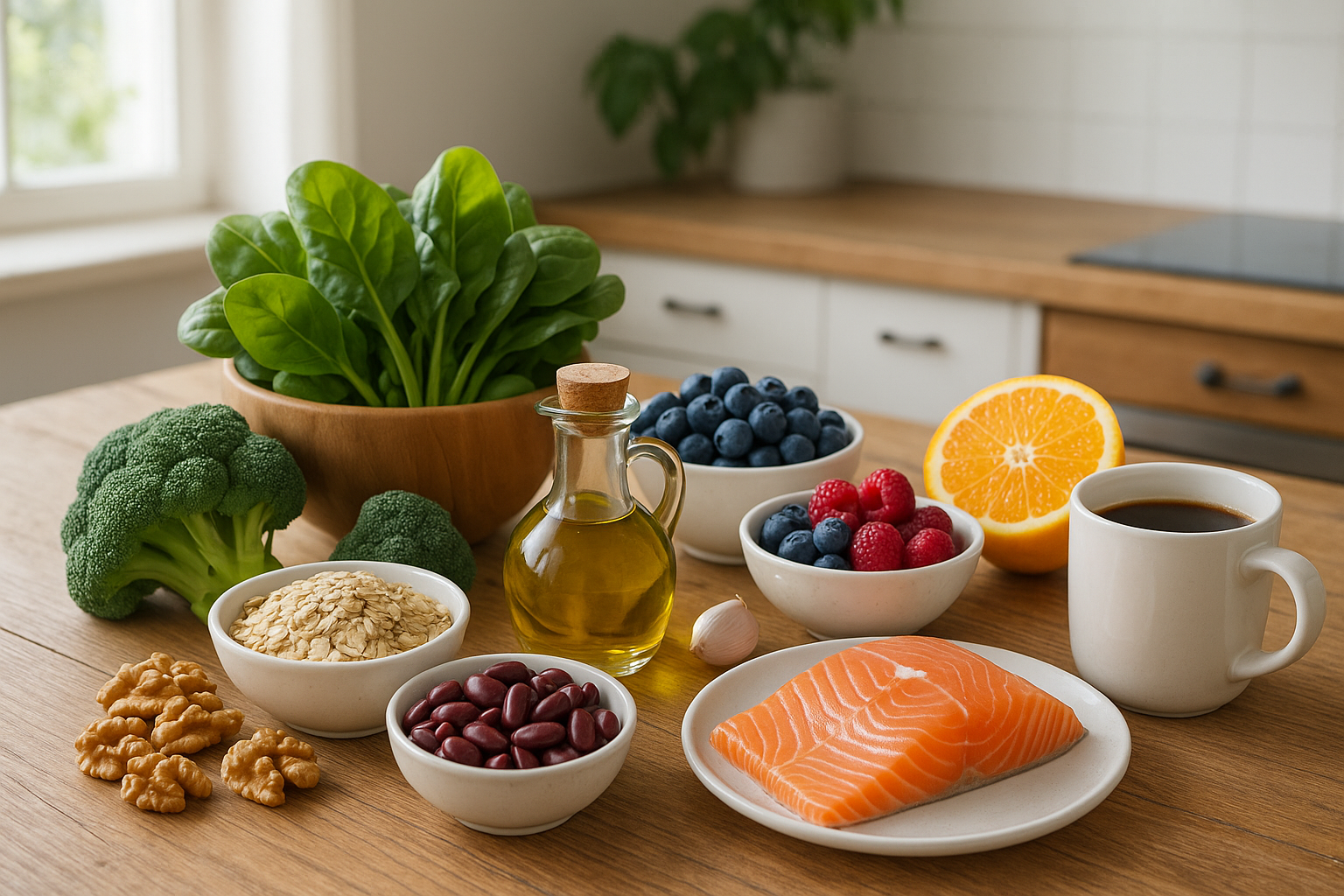
A liver-supportive pattern often looks similar to a Mediterranean-style diet: vegetables, fruits, legumes, whole grains, nuts, seeds, fish, olive oil, and limited alcohol, added sugar, and highly processed foods.
Best everyday liver support foods
Coffee
Coffee is one of the most studied beverages in relation to liver health. Observational research has linked coffee intake with favorable liver-related outcomes, including lower risk of fatty liver progression and liver fibrosis in some populations. Black coffee or coffee with minimal added sugar is the best choice. If caffeine affects your sleep, anxiety, blood pressure, or reflux, choose wisely or ask your clinician.
Cruciferous vegetables
Broccoli, Brussels sprouts, cabbage, cauliflower, kale, bok choy, and arugula provide fiber, vitamin C, folate, and sulfur-containing plant compounds. These vegetables support overall metabolic health and provide compounds involved in normal cellular defense processes. Aim to eat them cooked or raw several times per week.

Leafy greens
Spinach, romaine, collards, Swiss chard, and other greens supply folate, magnesium, potassium, nitrate compounds, and antioxidant carotenoids. They are also low in calories and high in volume, which can help with weight management, an important factor for reducing fatty liver risk.
Berries and colorful fruits
Blueberries, strawberries, raspberries, blackberries, cherries, oranges, grapefruit, and kiwi provide vitamin C, polyphenols, and fiber. These nutrients help support antioxidant defenses and gut health. Choose whole fruit more often than juice because whole fruit contains more fiber and is usually more filling.
Beans, lentils, and peas
Legumes are excellent liver support foods because they provide plant protein, soluble fiber, resistant starch, magnesium, and potassium. Replacing some refined starches or processed meats with beans or lentils can support healthier blood sugar, cholesterol, and weight patterns.
Whole grains
Oats, barley, brown rice, quinoa, buckwheat, and whole wheat provide fiber and B vitamins. Oats and barley are especially useful because they contain beta-glucan, a soluble fiber that can help support healthy cholesterol levels. For liver support, whole grains are generally a better choice than refined grains and sugary breakfast cereals.
Nuts and seeds
Walnuts, almonds, pistachios, chia seeds, flaxseed, hemp seeds, and pumpkin seeds provide unsaturated fats, plant protein, magnesium, vitamin E, and fiber. Because they are calorie-dense, a small handful or one to two tablespoons of seeds is usually enough.
Fatty fish
Salmon, sardines, trout, herring, and mackerel provide omega-3 fatty acids, which support heart and metabolic health. Fatty fish can be a useful part of a diet aimed at reducing triglycerides and improving overall cardiometabolic risk, both of which matter for fatty liver risk.
Extra-virgin olive oil
Extra-virgin olive oil is rich in monounsaturated fat and polyphenols. Use it in place of butter, shortening, or refined oils when practical. It pairs well with vegetables, beans, whole grains, and fish.
Eggs and other choline-rich foods
Choline is an essential nutrient involved in fat transport and normal liver function. Eggs are one of the richest common food sources. Other sources include fish, poultry, meat, soybeans, and some legumes. People who avoid animal foods may need to pay special attention to choline intake.
Garlic, onions, and herbs
Garlic, onions, leeks, scallions, parsley, cilantro, turmeric, ginger, rosemary, and other herbs add flavor without relying on excess salt, sugar, or heavy sauces. They also provide a range of plant compounds that contribute to a nutrient-dense diet.
Foods and habits to limit for liver health
Supporting the liver is not only about adding beneficial foods. It is also about reducing the load created by patterns known to stress metabolic health.
Limit or avoid heavy alcohol intake. Alcohol is a major cause of liver injury, and some people should avoid it completely. Reduce sugar-sweetened drinks, frequent desserts, and high-fructose processed foods. Cut back on ultra-processed snacks, fried foods, and processed meats. Be cautious with high-dose supplements marketed for detox, because some supplements can harm the liver.
A simple liver-supportive plate
Build meals around half a plate of vegetables, one quarter protein, and one quarter high-fiber carbohydrate. Add healthy fat in moderate amounts.
For example, try salmon with roasted broccoli, quinoa, olive oil, and citrus. Another option is a lentil and vegetable soup with a side salad and walnuts. For breakfast, oatmeal with berries, chia seeds, and plain yogurt is a practical choice.
Lifestyle factors that work with food
Food works best when paired with other liver-supportive habits. Maintain a healthy weight if appropriate, move your body regularly, sleep enough, manage blood sugar and cholesterol, avoid smoking, and take medications only as directed. Vaccination against hepatitis A and B may be recommended for some people, depending on risk and medical history.
When to get medical guidance
Talk with a healthcare professional if you have persistent fatigue, yellowing of the skin or eyes, dark urine, abdominal swelling, unexplained nausea, abnormal liver blood tests, or a history of hepatitis, heavy alcohol use, fatty liver disease, or cirrhosis. Also ask before using herbal liver products, especially if you take prescription medications.
Bottom line
The best liver support foods are everyday whole foods: coffee if tolerated, cruciferous vegetables, leafy greens, berries, citrus, legumes, whole grains, nuts, seeds, fatty fish, olive oil, eggs, garlic, onions, and herbs. These foods support the liver indirectly by improving nutrient intake, fiber intake, antioxidant status, and metabolic health. Consistency matters more than any single detox trend.
References
NIH Office of Dietary Supplements: Choline