
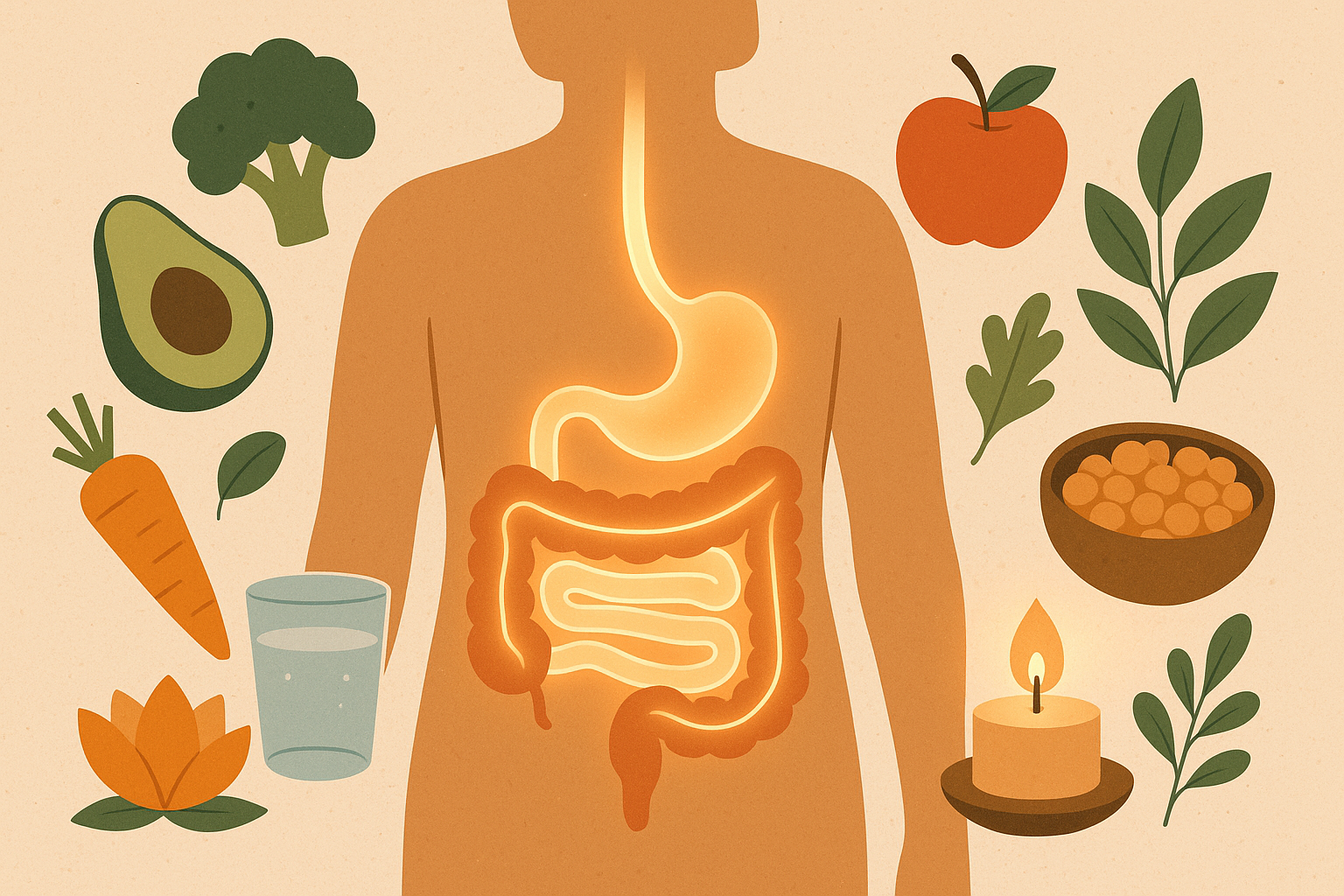
The Gut Inflammation Connection and Daily Habits That Support Balance
The Gut Inflammation Connection and Daily Habits That Support Balance
Gut health and inflammation influence each other every day. The gut is not only a digestive organ; it is also a major immune interface. A large share of immune activity occurs in and around the intestinal lining, where the body must decide what to tolerate, such as nutrients and beneficial microbes, and what to defend against, such as pathogens or harmful irritants.
When this system is balanced, the gut barrier, immune cells, and microbiome work together to support digestion and immune regulation. When balance is disrupted, inflammation may increase locally in the digestive tract and may also contribute to broader immune stress.
What inflammation means in the gut
Inflammation is a normal protective response. It helps the body respond to injury, infection, or irritation. Short-term inflammation can be useful. Problems can occur when inflammatory signals remain elevated or when the immune system responds too strongly to harmless triggers.
In the gut, inflammation may be associated with symptoms such as bloating, abdominal discomfort, diarrhea, constipation, urgency, or changes in appetite. However, symptoms are not always specific. Persistent or severe symptoms should be evaluated by a healthcare professional.
How the microbiome fits in
The gut microbiome is the community of bacteria, fungi, viruses, and other microorganisms that live in the digestive tract. These microbes help break down certain fibers, produce compounds such as short-chain fatty acids, support the intestinal barrier, and interact with immune cells.

A diverse microbiome is often associated with resilience. Diet, medications, illness, sleep, stress, alcohol intake, and physical activity can all affect microbial balance. No single food or supplement creates perfect gut health, but consistent daily habits can support a healthier internal environment.
The gut barrier and immune balance
The intestinal lining acts as a selective barrier. It allows nutrients and fluids to pass into the body while helping keep harmful substances out. A healthy barrier is supported by adequate nutrition, beneficial microbial activity, and controlled immune responses.
When the gut barrier is stressed, immune cells may encounter more irritants. This can amplify inflammatory signaling. Research continues to explore how barrier function, microbiome composition, and inflammation interact in conditions such as irritable bowel syndrome, inflammatory bowel disease, metabolic disease, and autoimmune disorders.
Daily habits that support gut and inflammatory balance
1. Eat more fiber-rich plant foods
Fiber feeds beneficial gut microbes and supports regular bowel function. Good sources include beans, lentils, oats, barley, vegetables, fruit, nuts, seeds, and whole grains. Increasing fiber gradually can reduce gas or bloating as the gut adapts.
2. Include a variety of colorful foods
Colorful plant foods provide polyphenols and other compounds that may support microbial diversity and antioxidant defenses. Aim for variety rather than relying on a small group of foods every day.
3. Consider fermented foods if tolerated
Yogurt with live cultures, kefir, sauerkraut, kimchi, miso, and tempeh may contribute beneficial microbes or fermentation byproducts. People with histamine intolerance, severe digestive disease, or compromised immune systems should ask a clinician whether fermented foods are appropriate.
4. Limit ultra-processed foods when possible
A pattern high in refined carbohydrates, low fiber foods, excess added sugars, and heavily processed snacks may be less supportive of microbiome diversity and metabolic health. You do not need perfection, but shifting daily meals toward whole or minimally processed foods can be helpful.
5. Prioritize sleep consistency
Sleep and immune regulation are connected. Irregular or insufficient sleep can affect appetite hormones, stress pathways, and inflammatory signaling. A consistent sleep schedule, morning light exposure, and reduced late-night screen stimulation may support better rhythm.
6. Manage stress in practical ways
The gut and brain communicate through nerves, hormones, immune pathways, and microbial metabolites. Stress can affect motility, sensitivity, appetite, and digestive symptoms. Helpful tools may include walking, breathing exercises, therapy, journaling, meditation, social connection, or time outdoors.
7. Move your body regularly
Regular physical activity is associated with improved metabolic health, immune regulation, and digestive motility. A balanced routine can include walking, resistance training, stretching, and moderate aerobic activity. Start gently if symptoms flare with intense exercise.
8. Use medications and supplements wisely
Antibiotics, acid reducers, anti-inflammatory drugs, and other medications can affect the gut in different ways. Do not stop prescribed medication without medical guidance. If considering probiotics, prebiotics, vitamin D, omega-3s, or other supplements, choose evidence-informed options and discuss them with a qualified professional.
When to seek medical care
Seek medical evaluation if you have blood in stool, unexplained weight loss, persistent diarrhea, ongoing vomiting, anemia, fever, severe abdominal pain, difficulty swallowing, nighttime symptoms, or a family history of colon cancer or inflammatory bowel disease. These signs may require testing and individualized treatment.
Bottom line
The connection between gut health and inflammation is complex, but daily habits matter. A fiber-rich diet, diverse plant foods, adequate sleep, stress management, regular movement, and appropriate medical care can help support a more balanced gut environment and healthier immune communication.