
How to Recognize Magnesium Deficiency and Support Healthy Levels Naturally
Magnesium Deficiency Symptoms: How to Recognize Low Magnesium and Support Healthy Levels Naturally
Magnesium is a major mineral involved in hundreds of enzyme reactions in the body. It helps regulate normal nerve signaling, muscle function, heart rhythm, blood glucose control, blood pressure, and bone structure. Because magnesium affects so many systems, magnesium deficiency symptoms can be broad and sometimes subtle at first.
True magnesium deficiency is less common than low intake, but some people are at higher risk due to medical conditions, medications, or reduced absorption. Recognizing possible signs early can help you decide when to speak with a healthcare professional and how to support healthier levels through diet and safe supplementation when appropriate.
Common magnesium deficiency symptoms
Early or mild magnesium deficiency may cause vague symptoms that overlap with many other conditions. Possible symptoms include:
- Loss of appetite
- Nausea or vomiting
- Fatigue or low energy
- General weakness
As magnesium deficiency becomes more significant, symptoms may become more noticeable and can include:
- Muscle cramps, spasms, or twitching
- Numbness or tingling
- Abnormal heart rhythm or palpitations
- Mood or personality changes
- Tremors
- Seizures in severe cases
- Low calcium or low potassium levels that are difficult to correct
These symptoms are not specific to magnesium deficiency. They can also be related to dehydration, thyroid problems, anemia, vitamin deficiencies, medication effects, neurological conditions, or heart issues. Persistent, worsening, or severe symptoms should be evaluated by a clinician.

Why magnesium deficiency can be hard to identify
Most magnesium in the body is stored in bones and soft tissues, while only a small amount circulates in the blood. Because of this, a standard blood magnesium level may not always reflect total body magnesium status. Healthcare professionals may consider symptoms, diet, medical history, medications, and related electrolyte levels when evaluating possible deficiency.
Who is at higher risk of low magnesium?
Some people are more likely to develop low magnesium levels or have higher magnesium needs. Risk factors include:
- Gastrointestinal conditions that reduce absorption, such as Crohn disease or celiac disease
- Chronic diarrhea or frequent vomiting
- Type 2 diabetes, especially with increased urinary magnesium loss
- Long-term heavy alcohol use
- Older age
- Long-term use of certain medications, including some diuretics and proton pump inhibitors
- Poor overall dietary intake
- Kidney or endocrine conditions that affect electrolyte balance
If you are in a higher-risk group and have possible magnesium deficiency symptoms, it is worth discussing testing and treatment options with a healthcare provider.
Magnesium-rich foods to eat more often
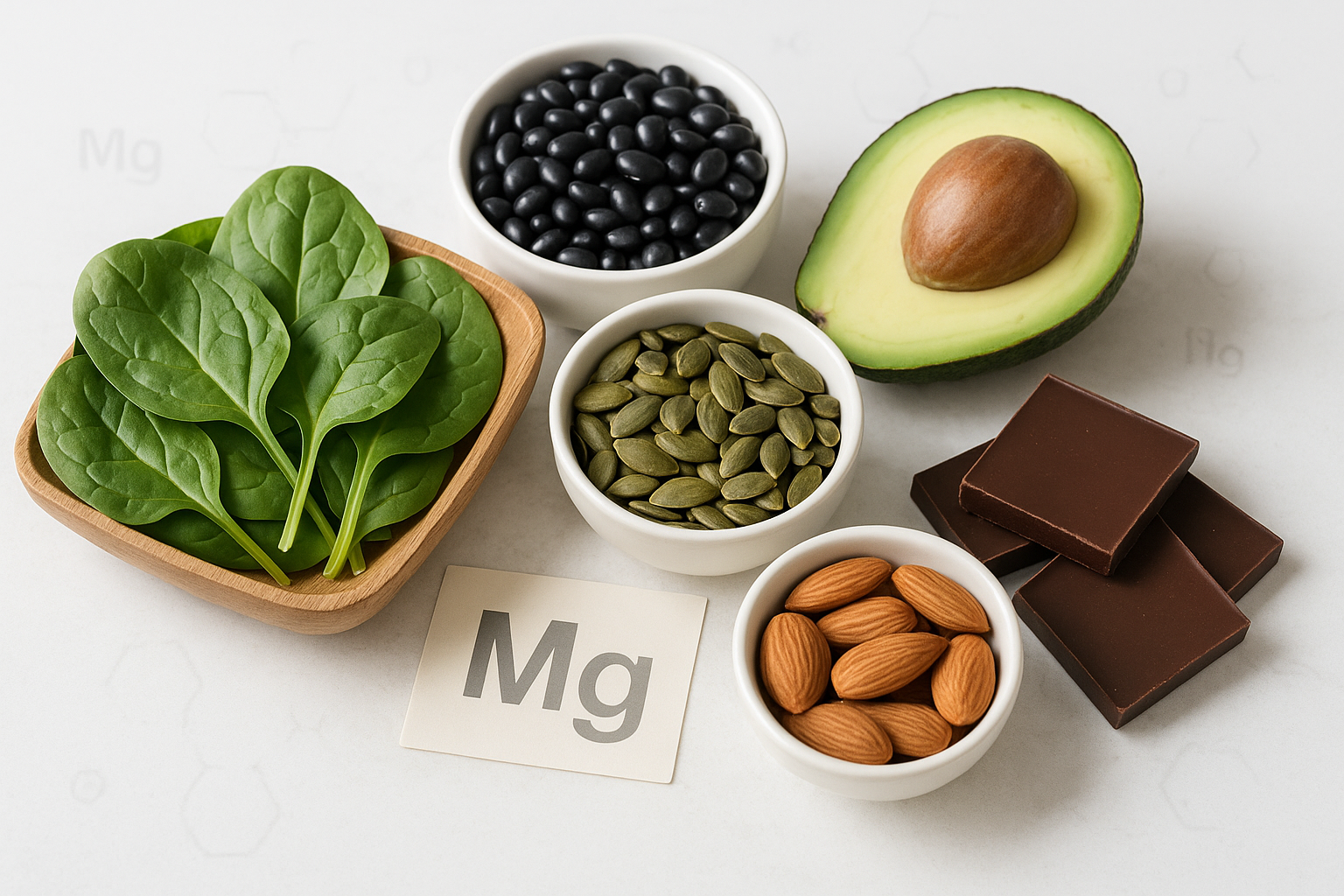
For most people, the safest natural way to support magnesium levels is to eat magnesium-rich foods consistently. Good sources include:
- Pumpkin seeds, chia seeds, flaxseeds, and sunflower seeds
- Almonds, cashews, and peanuts
- Spinach, Swiss chard, and other leafy greens
- Black beans, edamame, lentils, and chickpeas
- Whole grains such as oats, brown rice, and whole wheat
- Avocado
- Yogurt and milk
- Dark chocolate and cocoa
A practical goal is to include one or two magnesium-rich foods at most meals. For example, add pumpkin seeds to oatmeal, include beans in a salad, snack on nuts, or serve leafy greens with dinner.
Daily magnesium needs
Magnesium needs vary by age, sex, pregnancy status, and lactation. Adult women generally need around 310 to 320 mg per day, while adult men generally need around 400 to 420 mg per day. Pregnancy may increase needs. A healthcare professional or registered dietitian can help personalize intake goals if you have a medical condition or special dietary pattern.
Should you take a magnesium supplement?
Magnesium supplements can be helpful when intake is low or when a clinician identifies deficiency, but more is not always better. Supplemental magnesium can cause diarrhea, nausea, and abdominal cramping. Very high intakes can be dangerous, especially for people with kidney disease because the kidneys help remove excess magnesium.
Common supplemental forms include magnesium citrate, glycinate, oxide, chloride, and lactate. Different forms vary in tolerability and absorption. Magnesium oxide is often used but may be more likely to cause digestive effects for some people, while magnesium glycinate or citrate may be better tolerated by others.
Adults should avoid high-dose magnesium supplements unless supervised by a healthcare professional. This is especially important if you have kidney disease, heart rhythm problems, low blood pressure, or take medications such as antibiotics, bisphosphonates, diuretics, or thyroid medication, because magnesium can interact with absorption or electrolyte balance.
When to seek medical care
Contact a healthcare professional if you have ongoing muscle cramps, weakness, fatigue, numbness, tingling, or palpitations, especially if you also have a risk factor for magnesium deficiency. Seek urgent medical attention for chest pain, fainting, severe weakness, confusion, seizures, or a new or worsening irregular heartbeat.
Bottom line
Magnesium deficiency symptoms can include fatigue, weakness, appetite loss, nausea, muscle twitches or cramps, numbness, tingling, and abnormal heart rhythm. Because these signs can have many causes, diagnosis should be guided by a healthcare professional. Eating magnesium-rich foods regularly is the best natural foundation for healthy levels, while supplements should be used thoughtfully and safely when needed.