Zinc Benefits for Immune Health, Skin Repair, and Inflammation Balance
Zinc Benefits for Immune Health, Skin Repair, and Inflammation Balance
Zinc is a trace mineral, meaning the body needs it in small amounts but relies on it for many important processes. It supports immune cell function, helps maintain the skin barrier, contributes to wound healing, and plays a role in keeping inflammation responses balanced.
How zinc supports immune health
Zinc is needed for normal development and activity of immune cells, including cells involved in both innate and adaptive immunity. When zinc intake is too low, immune defenses may become less efficient, and the body may have a harder time responding to everyday challenges.
Adequate zinc intake helps support:
- Normal immune cell signaling
- Healthy barrier defenses in the skin and mucous membranes
- Antioxidant enzyme activity
- Balanced inflammatory responses
- Normal recovery and tissue maintenance
Zinc does not act like a quick cure, but consistent adequate intake is important for immune readiness.
Zinc and skin repair
The skin contains a meaningful amount of the body zinc supply. Zinc helps support collagen formation, cell growth, and tissue remodeling, all of which are important for maintaining healthy skin and repairing minor damage.
Zinc is also involved in wound healing. Low zinc status may slow normal healing, especially in people with poor nutrition, digestive issues, older age, or chronic health conditions. For people who already get enough zinc, taking extra zinc does not always mean faster healing, but avoiding deficiency is important.
Zinc and inflammation balance
Inflammation is a normal immune response, but it needs to be well regulated. Zinc contributes to cell signaling pathways that help the body manage oxidative stress and inflammatory activity. This is one reason zinc is often discussed in relation to immune balance, skin health, and recovery.
The goal is not to eliminate inflammation completely. The goal is to support a healthy, proportionate response.
Best food sources of zinc
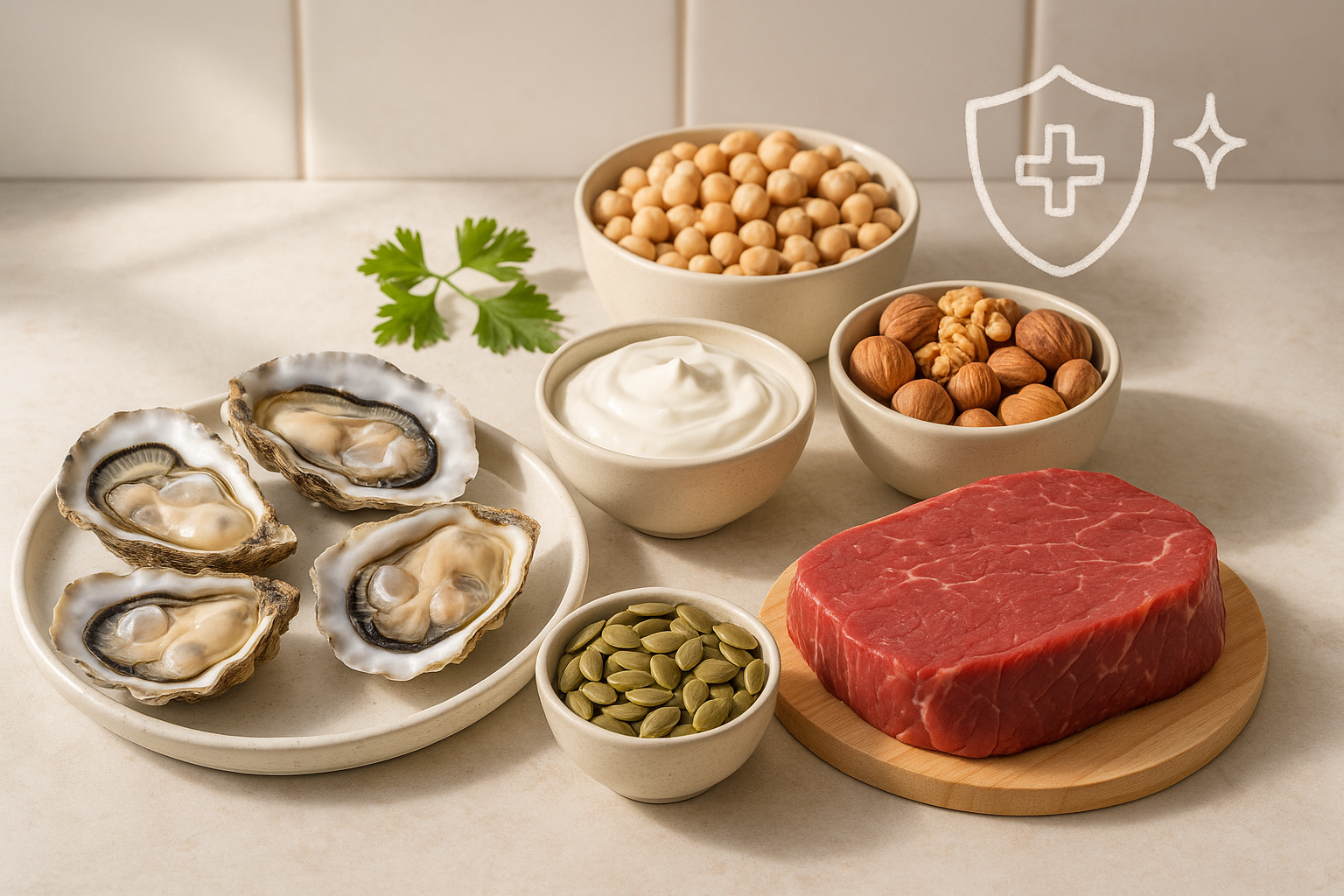
Food is usually the best first step for improving zinc intake. Rich sources include:
- Oysters and other shellfish
- Beef, poultry, and pork
- Pumpkin seeds and sesame seeds
- Beans, lentils, and chickpeas
- Nuts, especially cashews
- Yogurt and milk
- Fortified cereals and whole grains
Animal based zinc is generally easier for the body to absorb. Plant foods can still provide zinc, but phytates in grains and legumes may reduce absorption. Soaking, sprouting, fermenting, and using leavened breads can improve mineral availability.
Signs you may not be getting enough zinc
Possible signs of low zinc intake can include frequent infections, slow wound healing, changes in taste or smell, poor appetite, hair shedding, skin changes, and delayed growth in children. These symptoms can have many causes, so testing and professional guidance are important.
People at higher risk of low zinc status may include those with restrictive diets, digestive disorders, heavy alcohol use, older adults, pregnant or breastfeeding people, and individuals who eat mostly unprocessed plant based diets without attention to zinc sources.
Zinc supplements and safety
Zinc supplements may be useful when diet is not enough or when a healthcare professional identifies a deficiency. Common forms include zinc gluconate, zinc citrate, zinc acetate, and zinc picolinate.
More is not always better. Too much zinc can cause nausea, stomach upset, copper deficiency, lowered HDL cholesterol, and immune problems over time. Zinc can also interact with certain antibiotics, penicillamine, and other medications, so timing and dose matter.
Practical takeaways
For immune health, skin repair, and inflammation balance, zinc works best as part of a broader nutrient pattern that includes enough protein, vitamin C, vitamin D, iron, selenium, and overall calories. Prioritize zinc rich foods first, and consider supplements only when appropriate.
A balanced zinc strategy is simple: eat varied zinc rich foods, watch for deficiency risks, avoid megadoses, and get personalized advice if you have ongoing symptoms or health conditions.