
How Probiotics Support Digestion, Gut Barrier Health, and Immune Function
Probiotics for Digestion, Gut Barrier Health, and Immune Function
Probiotics are live microorganisms that may provide health benefits when taken in adequate amounts. They are most often associated with digestive health, but their influence can extend to the gut barrier and immune system because much of the immune system interacts closely with the gastrointestinal tract.
The key point is that probiotic benefits are strain-specific. One probiotic strain may help with a particular digestive concern, while another may not have the same effect. Product quality, dose, storage conditions, and consistent use also matter.
What probiotics do in the digestive system
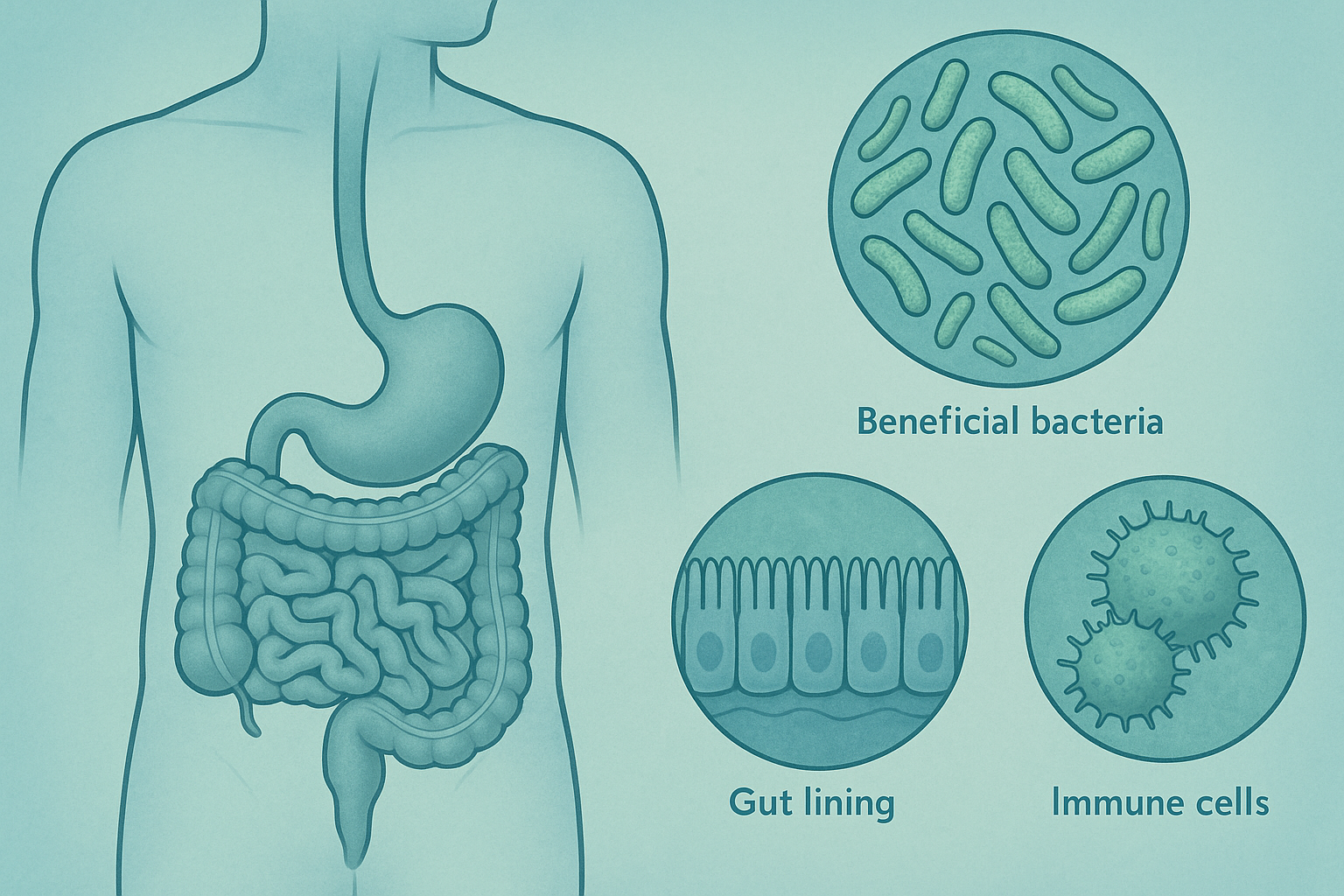
The digestive tract contains a large community of bacteria, fungi, viruses, and other microorganisms known as the gut microbiome. A balanced microbiome helps break down certain fibers, produce beneficial compounds, compete with unwanted microbes, and communicate with cells lining the intestines.
Probiotics for digestion may help by supporting a healthier microbial balance, contributing to regular bowel function, and helping the gut recover after disruptions such as antibiotic use. Some strains have been studied for antibiotic-associated diarrhea, occasional bloating, irritable bowel syndrome symptoms, and stool regularity, though results vary by strain and individual.
How probiotics may support the gut barrier
The gut barrier is the lining of the intestines that helps absorb nutrients while limiting the passage of unwanted substances. This barrier includes intestinal cells, mucus, immune defenses, and tight junctions between cells.

Certain probiotics may support gut barrier health by encouraging mucus production, helping maintain tight junction function, producing short-chain fatty acids indirectly through microbiome activity, and competing with less desirable microbes. A healthy gut barrier is important because it helps separate the internal immune environment from the contents of the digestive tract.
The connection between probiotics and immune function
The gut and immune system are closely linked. Immune cells regularly sample signals from gut microbes and respond to changes in the intestinal environment. Probiotics may influence immune function by interacting with gut-associated immune tissue, supporting normal inflammatory responses, and helping maintain microbial balance.
This does not mean probiotics prevent or cure infections. Instead, some strains appear to help regulate immune signaling in ways that may support normal immune defense. The strongest evidence depends on the condition, strain, dose, and study population.
Food sources of probiotics
Probiotics are found in some fermented foods, but not every fermented food contains live probiotic strains at meaningful levels. Common sources may include yogurt with live and active cultures, kefir, fermented vegetables, miso, tempeh, and certain fermented dairy or non-dairy products.
When choosing foods, look for labels indicating live cultures. Heat-treated fermented foods may no longer contain live organisms, although they can still be nutritious.
Probiotic supplements: what to look for
A high-quality probiotic supplement should clearly list the genus, species, and strain, such as Lactobacillus rhamnosus GG or Bifidobacterium lactis HN019. It should also list the amount of live organisms, often measured in colony-forming units, through the expiration date rather than only at the time of manufacture.
Choose products from reputable companies that provide storage instructions, expiration dates, strain identification, and preferably third-party quality testing. More CFUs are not always better. The right strain and evidence-supported dose are more important than the largest number on the label.
Who should be cautious with probiotics
Probiotics are generally well tolerated by many healthy adults, but they are not risk-free for everyone. People who are severely immunocompromised, critically ill, have central venous catheters, have serious underlying disease, or recently had major surgery should ask a healthcare professional before using probiotics.
Some people experience temporary gas, bloating, or changes in bowel habits when starting probiotics. If symptoms are severe, persistent, or worsening, stop use and seek medical guidance.
Practical ways to support digestion alongside probiotics
Probiotics work best as part of a broader gut health strategy. Helpful habits include eating fiber-rich foods, staying hydrated, limiting highly processed foods when possible, getting regular physical activity, managing stress, and sleeping enough. Prebiotic fibers from foods such as oats, beans, lentils, onions, garlic, asparagus, bananas, and whole grains can help nourish beneficial gut microbes.
Bottom line
Probiotics may support digestion, gut barrier integrity, and immune communication, but benefits are not universal. The most reliable approach is to match the strain and dose to the specific goal, use products with transparent labeling, and consult a healthcare professional when symptoms are ongoing or medical risk factors are present.