
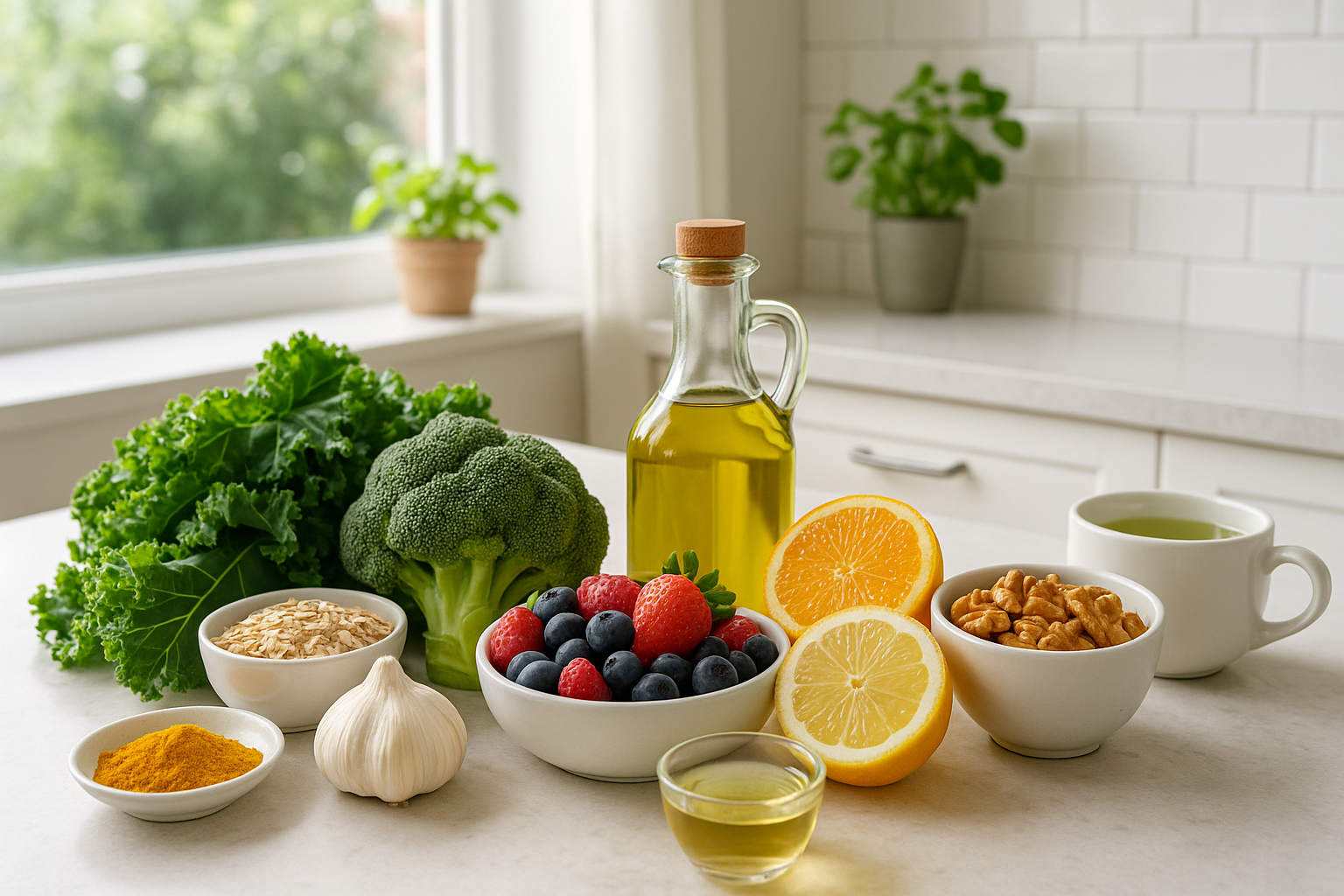
Foods That Support Liver Detox Pathways and Healthy Daily Cleansing
Foods That Support Liver Detox Pathways and Healthy Daily Cleansing
The phrase foods that support liver detox is often used in wellness marketing, but the most accurate way to think about liver health is simple: your liver detoxifies continuously. It processes nutrients, metabolizes alcohol and medications, produces bile, stores certain vitamins and minerals, and helps remove waste products from the blood.
No single food can detox your liver overnight. However, a consistent pattern of nutrient-dense eating can support the enzymes, antioxidants, bile flow, gut-liver communication, and metabolic health that your liver depends on every day.
What liver detox really means
Your liver uses complex biochemical pathways to transform and eliminate substances. These include normal byproducts of metabolism as well as alcohol, medications, environmental compounds, and hormones. This work requires adequate protein, vitamins, minerals, antioxidants, fiber, healthy fats, and steady blood sugar control.
Instead of extreme cleanses, liver-supportive eating focuses on:
- Supplying antioxidants that help manage oxidative stress
- Providing fiber to support digestion, cholesterol balance, and bile acid excretion
- Supporting healthy body weight and insulin sensitivity
- Reducing excess alcohol, added sugar, and ultra-processed foods
- Maintaining adequate hydration and overall nutrient intake
Best foods that support liver detox pathways
1. Cruciferous vegetables
Broccoli, Brussels sprouts, cauliflower, cabbage, kale, bok choy, and arugula contain sulfur-containing compounds and glucosinolates. These foods are often studied for their role in supporting normal cellular defense systems and antioxidant activity.

Practical ways to eat them:
- Add broccoli or cabbage to stir-fries
- Use arugula or kale as a salad base
- Roast Brussels sprouts with olive oil and garlic
- Add shredded cabbage to tacos, bowls, or soups
2. Leafy greens
Spinach, Swiss chard, collards, romaine, watercress, and beet greens provide folate, magnesium, potassium, vitamin K, and plant antioxidants. Leafy greens also add volume and fiber with relatively few calories, which can support healthy weight management.
Try adding a handful of greens to eggs, soups, smoothies, grain bowls, or pasta dishes.
3. High-fiber foods
Fiber helps support regular bowel movements and may help the body eliminate bile acids and cholesterol through the digestive tract. Since the liver makes bile, fiber-rich foods are an important part of daily liver-supportive eating.
Good options include:
- Oats and barley
- Beans, lentils, and chickpeas
- Apples, pears, and berries
- Ground flaxseed and chia seeds
- Vegetables and whole grains
4. Berries and colorful fruit
Blueberries, strawberries, raspberries, blackberries, cherries, oranges, grapefruit, kiwi, and pomegranate contain vitamin C, polyphenols, and other antioxidants. These compounds help support the body’s normal defenses against oxidative stress.
Choose whole fruit more often than juice because whole fruit provides fiber and is less likely to overload the diet with concentrated sugar.
5. Garlic, onions, and other alliums
Garlic, onions, leeks, scallions, and shallots contain sulfur compounds and prebiotic fibers that support gut health. Because the gut and liver are closely connected through the portal circulation, a healthy gut environment can be part of a liver-supportive lifestyle.
Use garlic and onions as a base for soups, sauces, vegetables, beans, and lean proteins.
6. Coffee and green tea
Coffee is one of the most studied beverages in relation to liver health. Research has associated coffee intake with favorable liver-related outcomes in some populations. Green tea provides catechins and other polyphenols, though concentrated green tea extracts should be used cautiously because high-dose extracts have been linked to liver injury in rare cases.
For most adults, plain coffee or brewed green tea can fit into a healthy diet. Avoid turning them into dessert drinks with large amounts of sugar and cream.
7. Healthy fats
The liver needs fat metabolism to function properly, but the type and amount of fat matter. Foods rich in unsaturated fats can fit well into a liver-supportive eating pattern.
Examples include:
- Extra-virgin olive oil
- Avocado
- Walnuts and almonds
- Chia seeds and flaxseed
- Fatty fish such as salmon, sardines, and trout
These foods can help replace less supportive fats from fried foods, processed meats, and heavily refined snacks.
8. Protein-rich whole foods
Protein provides amino acids needed for enzyme systems, tissue repair, immune function, and glutathione production. Glutathione is a key antioxidant made by the body and used heavily in liver metabolism.
Supportive protein choices include fish, poultry, eggs, beans, lentils, tofu, tempeh, Greek yogurt, cottage cheese, and lean meats. People with advanced liver disease may need personalized protein guidance from a clinician or dietitian.
9. Herbs and spices
Turmeric, ginger, rosemary, cinnamon, parsley, cilantro, and oregano add flavor and plant compounds without relying on excess salt or sugar. Turmeric is often discussed for liver support, but high-dose supplements are not the same as using culinary turmeric in food.
Use herbs and spices to make vegetables, beans, soups, and lean proteins more enjoyable.
10. Water-rich foods and fluids
Hydration supports blood volume, digestion, kidney function, and bowel regularity. The liver and kidneys work together in normal waste processing, so adequate fluid intake matters.
Water, herbal tea, soups, cucumbers, citrus, melon, and leafy vegetables can all contribute to hydration.
Foods and habits to limit for liver health
Supporting liver detox pathways is not only about adding helpful foods. It is also about reducing the load from habits that strain metabolic health.
Consider limiting:
- Alcohol, especially heavy or frequent intake
- Sugary drinks and excess fructose from sweetened beverages
- Ultra-processed snacks and desserts
- Fried foods and trans fats
- Large portions of refined carbohydrates
- Unnecessary supplements or detox products
Alcohol deserves special attention. For many people, reducing or avoiding alcohol is one of the most meaningful steps for liver health.
A simple liver-supportive daily plate
A practical meal pattern might look like this:
- Half the plate: non-starchy vegetables, especially leafy greens and cruciferous vegetables
- One quarter: protein such as fish, beans, tofu, poultry, eggs, or yogurt
- One quarter: high-fiber carbohydrates such as oats, brown rice, quinoa, lentils, beans, or sweet potato
- Added fat: olive oil, avocado, nuts, or seeds
- Beverage: water, coffee, or unsweetened tea
Sample day of eating for liver support
Breakfast: Oatmeal with blueberries, ground flaxseed, walnuts, and plain Greek yogurt.
Lunch: Lentil and vegetable soup with kale, garlic, onions, carrots, and olive oil, served with a side salad.
Snack: Apple slices with almond butter or carrots with hummus.
Dinner: Salmon or tofu with roasted broccoli, quinoa, cabbage slaw, lemon, herbs, and extra-virgin olive oil.
Beverage options: Water, black coffee, or unsweetened green tea.
Be cautious with detox supplements
Detox teas, liver flushes, extreme juice cleanses, and high-dose herbal supplements are not necessary for normal liver function. Some supplements can interact with medications or cause liver injury. This is especially important for people with hepatitis, fatty liver disease, cirrhosis, gallbladder disease, or a history of abnormal liver enzymes.
Food-first liver support is generally safer and more sustainable than aggressive cleansing programs.
When to seek medical care
Talk with a healthcare professional if you have yellowing of the skin or eyes, dark urine, pale stools, abdominal swelling, persistent right upper abdominal pain, unexplained fatigue, nausea, easy bruising, or abnormal liver blood tests. These symptoms need medical evaluation and should not be treated with a cleanse.
Bottom line
The best foods that support liver detox are everyday whole foods: cruciferous vegetables, leafy greens, beans, oats, berries, citrus, garlic, onions, olive oil, nuts, seeds, fish, and adequate protein. Combined with limited alcohol, fewer ultra-processed foods, regular movement, good sleep, and appropriate medical care, these foods help support the liver’s natural daily cleansing work.