
Common Signs of Zinc Deficiency and Food-Based Ways to Support Healthy Levels
Common Signs of Zinc Deficiency and Food-Based Ways to Support Healthy Levels
Zinc deficiency signs can be subtle at first because zinc is involved in many everyday body functions. It helps support immune defenses, wound healing, DNA and protein production, normal growth, reproductive health, and the senses of taste and smell.
Common signs of low zinc
Possible signs and symptoms of zinc deficiency may include:
- Frequent infections or slower immune recovery
- Slow wound healing
- Loss of appetite
- Changes in taste or smell
- Hair thinning or hair loss
- Skin irritation, rough skin, or rash-like changes
- Diarrhea
- Fatigue or low energy
- Delayed growth or development in children
- Poor night vision in some cases
These symptoms can also be caused by many other conditions, so testing and medical guidance are important if symptoms are persistent or concerning.
Who may be more likely to have low zinc
Some people have a higher risk of inadequate zinc intake or absorption, including:
- People with gastrointestinal conditions that affect absorption, such as Crohn’s disease, ulcerative colitis, or celiac disease
- People who have had certain digestive surgeries
- Vegetarians and vegans, especially if diets rely heavily on unsoaked legumes and whole grains
- Pregnant or breastfeeding people
- Older adults with limited food intake
- People with alcohol use disorder
- Infants who are exclusively breastfed beyond the recommended age for complementary foods
Zinc-rich foods to eat more often
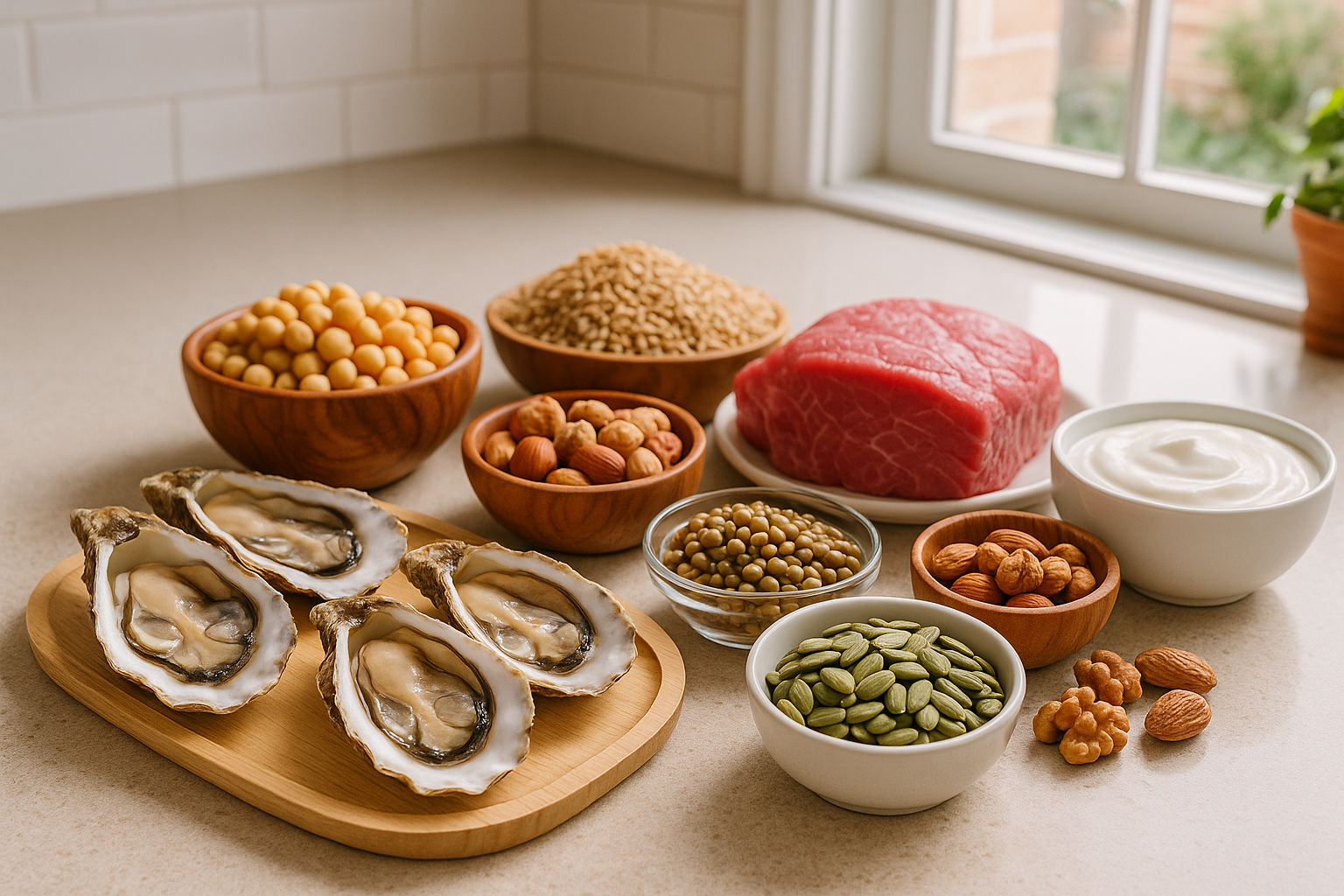
Food is usually the best first step for supporting healthy zinc levels. Good sources include:

- Oysters and other shellfish such as crab and lobster
- Beef, pork, and poultry
- Beans, lentils, chickpeas, and peas
- Pumpkin seeds, sesame seeds, hemp seeds, and cashews
- Milk, yogurt, and cheese
- Eggs
- Whole grains such as oats and fortified cereals
Animal-based zinc sources are generally easier for the body to absorb. Plant foods still contribute meaningful zinc, but compounds called phytates in legumes, grains, nuts, and seeds can reduce absorption.
Tips to improve zinc intake from food
Simple food-based strategies can help:
- Include a zinc-rich food at meals, such as beans, yogurt, meat, seafood, seeds, or fortified cereal.
- Pair plant proteins with vitamin C-rich foods such as peppers, citrus, berries, or tomatoes to support overall mineral-rich eating.
- Soak, sprout, ferment, or leaven legumes and grains when possible to reduce phytates.
- Choose a variety of protein foods rather than relying on one source.
- If you follow a vegetarian or vegan diet, include beans, lentils, tofu, tempeh, nuts, seeds, and fortified foods regularly.
How much zinc do adults need?
According to the NIH Office of Dietary Supplements, the recommended dietary allowance for zinc is 11 mg per day for adult men and 8 mg per day for adult women. Needs are higher during pregnancy and lactation. The tolerable upper intake level for most adults is 40 mg per day from food and supplements combined.
Should you take a zinc supplement?
Zinc supplements may be helpful when a deficiency is confirmed or when a clinician recommends them. However, taking too much zinc can cause nausea, digestive upset, reduced copper absorption, and changes in immune function. Zinc can also interact with some antibiotics and other medications.
If you are concerned about zinc deficiency signs, ask a healthcare professional about whether testing, dietary changes, or supplementation is appropriate for your situation.