
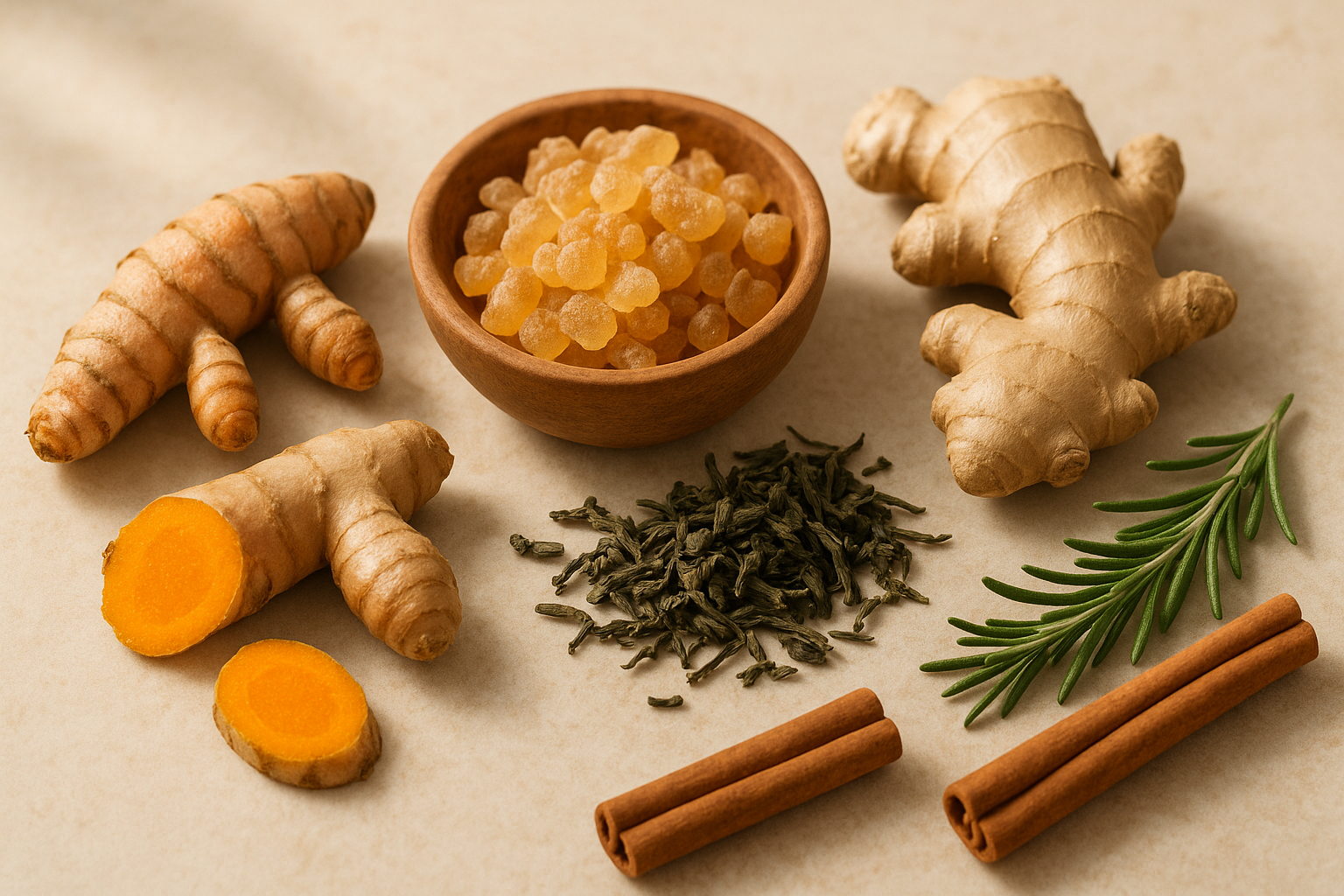
Anti Inflammatory Herbs Traditionally Used to Support Joint and Whole Body Wellness
Anti Inflammatory Herbs Traditionally Used to Support Joint and Whole Body Wellness
Inflammation is part of the body’s normal defense and repair process. However, many people are interested in lifestyle habits, foods, and herbs that may help support a balanced inflammatory response. Anti inflammatory herbs are commonly used in teas, foods, capsules, tinctures, and extracts as part of a broader wellness routine.
What Are Anti Inflammatory Herbs?
Anti inflammatory herbs are plants that contain naturally occurring compounds such as polyphenols, terpenes, curcuminoids, gingerols, catechins, and other phytochemicals. These compounds are studied for their potential influence on oxidative stress, immune signaling, and inflammatory pathways.
Herbs may support wellness best when combined with a balanced diet, regular movement, quality sleep, stress management, and appropriate medical care.
Common Anti Inflammatory Herbs
Turmeric
Turmeric is one of the best-known herbs associated with inflammation support. Its key active compounds are curcuminoids, especially curcumin. Turmeric is traditionally used in food and wellness practices to support joint comfort and overall resilience.
Curcumin is not absorbed well on its own. Some supplements include black pepper extract, also called piperine, to improve absorption. However, piperine may also affect how the body processes certain medications, so it is important to check with a healthcare professional before using concentrated turmeric or curcumin products.

Ginger
Ginger has a long history of use for digestive comfort and general wellness. It contains gingerols and shogaols, compounds that have been studied for antioxidant and inflammation-related activity. Ginger can be used fresh, dried, as tea, or in supplement form.
People taking blood thinners, managing bleeding disorders, or preparing for surgery should ask a clinician before using high-dose ginger supplements.
Boswellia
Boswellia, also known as Indian frankincense, is a resin traditionally used in Ayurvedic wellness practices. Its boswellic acids are studied for their potential role in inflammatory pathways. Boswellia is commonly found in capsules and joint support formulas.
Because quality and standardization can vary widely, look for products that clearly list the extract type and amount. People with chronic conditions or those taking medications should seek medical guidance before use.
Green Tea
Green tea contains catechins, including EGCG, which are plant compounds studied for antioxidant and inflammation-related effects. Drinking green tea can be a gentle way to include beneficial polyphenols in a daily routine.
Green tea contains caffeine, though usually less than coffee. Concentrated green tea extract supplements may not be appropriate for everyone and have been associated with safety concerns in some cases, especially at high doses.
Rosemary
Rosemary is a culinary herb rich in aromatic compounds and polyphenols, including rosmarinic acid and carnosic acid. It is commonly used in Mediterranean-style meals and may support an overall anti inflammatory eating pattern when used in place of excess salt or highly processed seasonings.
Cinnamon
Cinnamon is a warming spice used in many traditional diets. It contains polyphenols and can be added to oatmeal, tea, smoothies, and baked fruit. Cassia cinnamon contains coumarin, which may be a concern in large amounts, particularly for people with liver concerns or those using certain medications.
How to Use Herbs Safely
The safest approach is usually to start with culinary amounts in foods and teas. Supplements are more concentrated and may carry a higher risk of side effects or interactions.
Helpful safety tips include:
- Choose third-party tested supplements when possible.
- Avoid combining multiple anti inflammatory supplements without professional guidance.
- Tell your healthcare provider about all herbs and supplements you use.
- Stop herbs before surgery only if advised by your healthcare team.
- Be cautious during pregnancy, breastfeeding, or when managing kidney, liver, bleeding, autoimmune, or digestive conditions.
Herbs Are Only One Part of Inflammation Support
Herbs may be helpful, but they work best as part of a whole lifestyle approach. Consider pairing anti inflammatory herbs with nutrient-dense foods such as vegetables, berries, legumes, whole grains, nuts, seeds, olive oil, and fatty fish if appropriate for your diet.
Regular low-impact movement, strength training, adequate protein, hydration, stress reduction, and restorative sleep can also support joint and whole body wellness.
When to Seek Medical Care
Talk with a healthcare professional if you have persistent joint pain, swelling, morning stiffness, unexplained fatigue, fever, sudden pain, or symptoms that interfere with daily life. These may indicate an underlying condition that needs diagnosis and treatment.
Anti inflammatory herbs can be supportive, but they should not delay care for arthritis, autoimmune disease, infection, injury, or other medical concerns.