
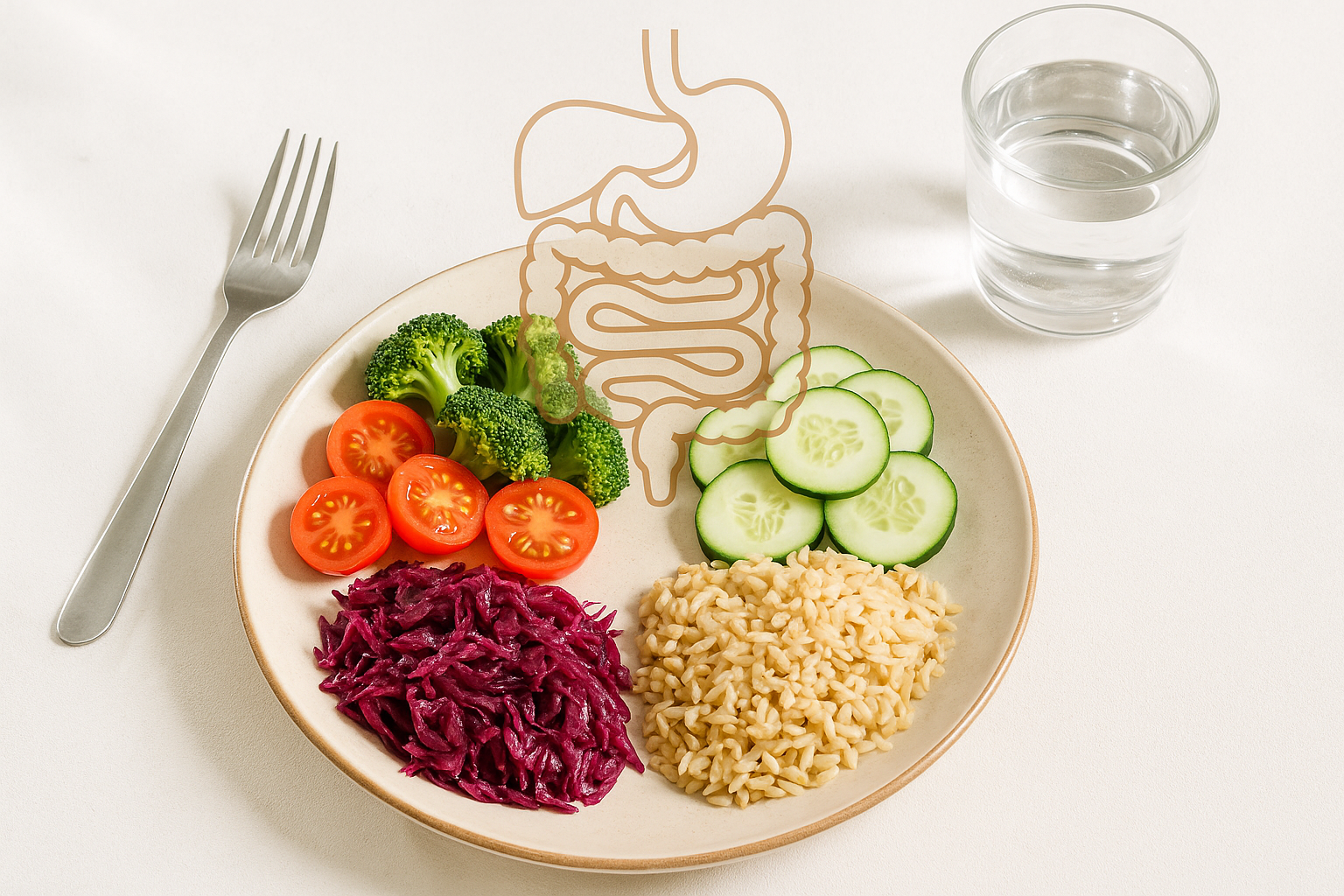
The Gut Inflammation Connection and Simple Daily Habits for Better Digestive Balance
The Gut Inflammation Connection and Simple Daily Habits for Better Digestive Balance
Gut health and inflammation are linked through the immune system, the intestinal barrier, and the trillions of microbes that live in the digestive tract. When this system is balanced, digestion, immune signaling, and nutrient absorption tend to work more smoothly. When it is disrupted, some people may experience bloating, irregular bowel habits, discomfort, food sensitivity patterns, or worsening symptoms from existing digestive conditions.
How Gut Health and Inflammation Are Connected
A large portion of the immune system is associated with the gut. The intestinal lining acts as a barrier, helping absorb nutrients while limiting the passage of harmful substances. The gut microbiome also helps break down certain fibers, produces beneficial compounds, and communicates with immune cells.
Inflammation is not always bad. Short-term inflammation is part of normal healing and immune defense. Problems may arise when inflammation becomes chronic or when the gut environment is repeatedly irritated by factors such as low-fiber eating patterns, high alcohol intake, poor sleep, chronic stress, infections, certain medications, or underlying medical conditions.
Signs Your Digestive Balance May Need Attention
Common signs that may suggest your digestive system needs support include frequent bloating, constipation, diarrhea, abdominal discomfort, excessive gas, reflux, or noticeable changes in bowel habits. These symptoms can have many causes, so persistent, severe, or unexplained symptoms should be discussed with a healthcare professional.
Seek prompt medical care for red flags such as blood in the stool, unexplained weight loss, persistent vomiting, fever, severe abdominal pain, anemia, difficulty swallowing, or new digestive symptoms after age 50.

Daily Habits That Support Gut Balance
1. Eat More Fiber-Rich Plant Foods
Fiber helps feed beneficial gut bacteria and supports regular bowel movements. Good choices include beans, lentils, oats, berries, apples, vegetables, nuts, seeds, and whole grains. Increase fiber gradually and drink enough fluids to reduce gas or discomfort.
2. Include Fermented Foods if Tolerated
Fermented foods such as yogurt with live cultures, kefir, sauerkraut, kimchi, miso, and tempeh may help support microbial diversity for some people. If you have a digestive condition or are sensitive to fermented foods, introduce them slowly or ask a clinician for guidance.
3. Choose Anti-Inflammatory Eating Patterns
A Mediterranean-style pattern is often associated with better overall health and includes vegetables, fruits, legumes, whole grains, olive oil, nuts, seeds, herbs, and fish. Limiting heavily processed foods, excess added sugar, and frequent fried foods may also help reduce dietary triggers that can affect digestive balance.
4. Stay Hydrated
Water supports digestion, stool consistency, and overall metabolic function. Hydration needs vary based on activity level, climate, body size, and medical conditions. Pale yellow urine is often a practical sign of adequate hydration for many people.
5. Prioritize Sleep
Poor sleep can affect appetite regulation, stress hormones, immune activity, and digestive patterns. Aim for a consistent sleep schedule, a relaxing bedtime routine, and reduced late-night screen exposure when possible.
6. Manage Stress Daily
The gut and brain communicate through the gut-brain axis. Stress may worsen digestive symptoms in some people, especially those with functional bowel disorders. Simple practices such as slow breathing, walking, journaling, yoga, prayer, meditation, or time outdoors may support nervous system balance.
7. Move Your Body Regularly
Regular physical activity can support bowel regularity, metabolic health, immune function, and stress management. Even a daily walk after meals may be helpful. Choose activities you can maintain consistently.
8. Use Medications Thoughtfully
Some medications, including antibiotics and certain pain relievers, can affect the gut. Never stop prescribed medications without medical advice, but ask your healthcare provider how to protect digestive health when medication is necessary.
What About Probiotics and Supplements?
Probiotics may help certain people in specific situations, but benefits depend on the strain, dose, product quality, and health condition. They are not a universal fix. If you have a weakened immune system, serious illness, or chronic gastrointestinal disease, speak with a healthcare professional before using probiotics or digestive supplements.
A Simple One-Day Gut-Supportive Routine
Start the morning with water and a fiber-rich breakfast such as oatmeal with berries and chia seeds. Include vegetables and protein at lunch. Take a short walk after a meal. Choose a snack such as yogurt with live cultures or fruit with nuts if tolerated. Build dinner around vegetables, legumes or fish, whole grains, and olive oil. Wind down with a calming routine to support sleep.
Bottom Line
The connection between gut health and inflammation is complex, but daily habits can make a meaningful difference. A fiber-rich diet, fermented foods when tolerated, hydration, regular movement, stress management, and quality sleep are practical foundations for better digestive balance. If symptoms persist or worsen, professional evaluation is important.