
Natural Sleep Remedies That Support Relaxation Without Harsh Stimulants
Natural Sleep Remedies That Support Relaxation Without Harsh Stimulants
Natural sleep remedies are best viewed as tools that support the body’s natural wind-down process. They may help reduce evening tension, reinforce circadian rhythm, and make it easier to fall asleep when paired with consistent sleep habits.
Start with the foundation: sleep hygiene
Before trying supplements or herbal remedies, focus on the habits that directly influence sleep quality.
- Keep a consistent bedtime and wake time, even on weekends.
- Get morning light exposure to help regulate your internal clock.
- Dim lights in the evening and reduce bright screen exposure before bed.
- Keep your bedroom cool, dark, and quiet.
- Avoid heavy meals, nicotine, and excess alcohol close to bedtime.
- Limit caffeine after late morning or early afternoon, depending on your sensitivity.
These steps are not quick fixes, but they often make natural sleep remedies more effective.
Build a calming bedtime routine
A predictable routine signals to your brain that it is time to transition from alertness to rest. Try choosing two or three relaxing activities and repeating them nightly.
Gentle options include:

- Reading a calming book
- Taking a warm bath or shower
- Practicing slow breathing
- Stretching lightly
- Writing down tomorrow’s tasks
- Listening to soft music or a guided relaxation practice
The goal is not to force sleep. It is to lower stimulation and give your nervous system time to settle.
Herbal teas for relaxation
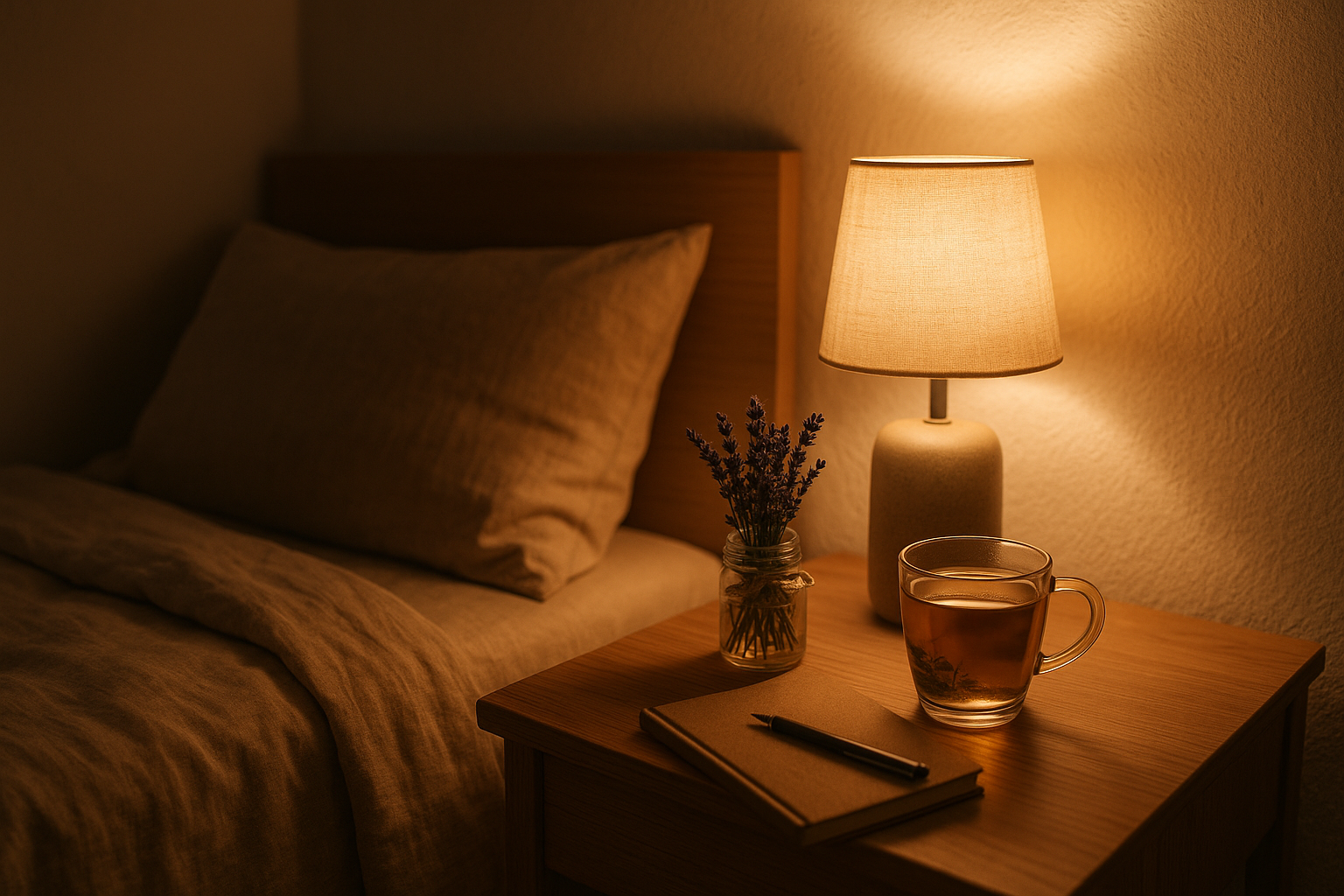
Caffeine-free herbal teas can be a soothing part of a nighttime ritual. Chamomile, lemon balm, passionflower, and lavender teas are commonly used for relaxation. The warm liquid and repeated routine may be as helpful as the herb itself.
If you take medications, have allergies, are pregnant, or have a chronic condition, check with a healthcare professional before using herbal products regularly.
Melatonin: useful for timing, not always for sedation
Melatonin is a hormone involved in the sleep-wake cycle. As a supplement, it may be most helpful for circadian rhythm issues, such as jet lag or delayed sleep timing. It is not the same as a sleeping pill and may not solve insomnia caused by stress, pain, anxiety, or poor sleep habits.
If you use melatonin, consider discussing dose and timing with a clinician. More is not always better, and some people experience next-day grogginess, vivid dreams, headache, or dizziness.
Magnesium and sleep support
Magnesium plays a role in muscle and nerve function, and some people use it to support relaxation. However, evidence for sleep benefits varies, and supplements can cause digestive side effects. Magnesium can also interact with certain medications, including some antibiotics and osteoporosis medicines.
Food sources such as leafy greens, nuts, seeds, legumes, and whole grains are a gentle way to support magnesium intake.
Lavender and calming scents
Lavender aromatherapy may help some people feel calmer at bedtime. You can try a few drops of lavender essential oil in a diffuser or use a lightly scented pillow spray. Avoid applying essential oils directly to skin unless properly diluted, and keep them away from children and pets unless advised by a professional.
Relaxation techniques that do not require supplements
Mind-body practices can be powerful natural sleep remedies because they target the stress response.
Try:
- Diaphragmatic breathing: breathe slowly into the belly and lengthen the exhale.
- Progressive muscle relaxation: tense and release muscle groups from feet to face.
- Body scan meditation: move attention through the body without judgment.
- Gentle yoga or stretching: keep it slow and restorative, not intense.
Practicing during the day can make these techniques easier to use at night.
Avoid turning natural remedies into pressure
One common sleep trap is trying too hard. If you cannot fall asleep after a while, get out of bed and do something quiet in dim light until you feel sleepy. This helps your brain associate the bed with sleep rather than frustration.
When to get professional help
Natural sleep remedies may not be enough if sleep problems are frequent, severe, or long-lasting. Speak with a healthcare professional if you have insomnia lasting more than a few weeks, loud snoring, gasping during sleep, restless legs, panic at night, depression symptoms, chronic pain, or significant daytime sleepiness.
Cognitive behavioral therapy for insomnia, often called CBT-I, is a well-supported non-drug treatment that can help address the thoughts and habits that keep insomnia going.
Bottom line
The best natural sleep remedies are gentle, consistent, and paired with healthy sleep routines. Start with light exposure, a steady schedule, a calming wind-down routine, and a sleep-friendly environment. If you consider supplements such as melatonin, magnesium, or herbs, use them thoughtfully and ask a healthcare professional about safety and interactions.