
Signs of Poor Gut Health and Natural Ways to Rebalance Your Microbiome
Signs of Poor Gut Health and Natural Ways to Rebalance Your Microbiome
Gut health is not just about avoiding stomach pain. A well-functioning digestive system helps break down food, absorb nutrients, maintain a strong gut barrier, regulate bowel movements, and support immune balance. When the gut microbiome becomes less diverse or disrupted, some people notice digestive symptoms, while others experience more general signals such as low energy or changes in appetite.
Common signs of poor gut health
1. Frequent bloating, gas, or abdominal discomfort
Occasional bloating after a large meal is common. But frequent bloating, pressure, cramping, or excessive gas may suggest that your gut is struggling with digestion, fermentation balance, food triggers, constipation, or an underlying condition such as irritable bowel syndrome.
2. Irregular bowel movements
Healthy bowel patterns vary, but stools should generally be comfortable to pass and relatively consistent for you. Ongoing constipation, diarrhea, urgency, incomplete evacuation, or alternating stool patterns can be signs that your digestive system or microbiome is out of balance.
3. Food sensitivities or new digestive reactions
If certain foods suddenly cause bloating, loose stools, nausea, or discomfort, your gut may be reacting to changes in motility, enzyme function, inflammation, stress, or microbial fermentation. Common triggers include lactose, high-FODMAP foods, alcohol, greasy meals, and highly processed foods.
4. Frequent heartburn or indigestion
Heartburn, reflux, nausea after meals, or a heavy feeling in the stomach can reflect upper digestive irritation, meal timing, food choices, stress, or other medical issues. Reflux is not always a microbiome problem, but it often overlaps with broader digestive imbalance.

5. Fatigue and low energy
The gut helps absorb nutrients such as iron, B vitamins, magnesium, and other compounds involved in energy metabolism. Poor sleep, chronic stress, low dietary quality, inflammation, or digestive disorders can all contribute to feeling run down.
6. Skin flare-ups
Some people notice that acne, eczema-like irritation, or other skin flare-ups occur alongside digestive symptoms. The gut and immune system are closely connected, although skin symptoms can have many causes and should not be assumed to come only from the gut.
7. Sugar cravings and appetite swings
A diet high in added sugars and low in fiber can reduce microbial diversity and encourage patterns that make cravings harder to manage. Blood sugar swings, sleep deprivation, and stress can also intensify cravings.
8. Bad breath or a coated tongue
Persistent bad breath can come from dental issues, dry mouth, reflux, sinus problems, or digestive factors. If oral hygiene is good but symptoms continue, it may be worth discussing with a dentist or clinician.
9. Getting sick often
A large portion of immune activity is linked to the gut. A disrupted microbiome, low nutrient intake, inadequate sleep, and chronic stress may all affect immune resilience.
What disrupts the gut microbiome?
Common microbiome disruptors include low-fiber eating patterns, high intake of ultra-processed foods, frequent alcohol use, chronic stress, poor sleep, inactivity, smoking, infections, and some medications. Antibiotics can be necessary and lifesaving, but they may temporarily reduce microbial diversity. If you need antibiotics, take them exactly as prescribed and ask your clinician whether probiotic or dietary support is appropriate for you.
Natural ways to rebalance your microbiome
Eat more diverse plant foods
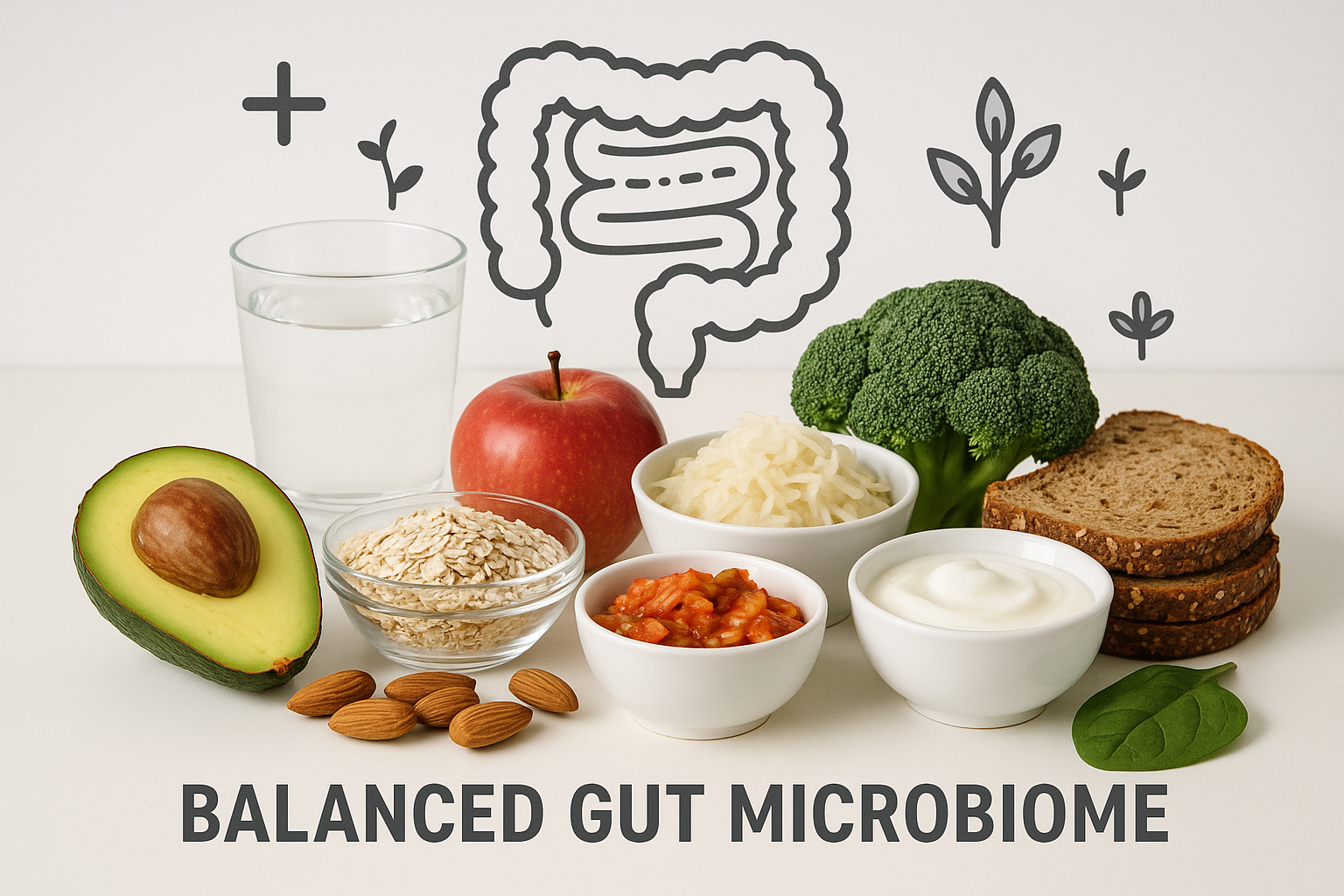
Microbes thrive on different types of fibers and plant compounds. Aim for variety across vegetables, fruits, beans, lentils, oats, nuts, seeds, herbs, and whole grains. A simple goal is to add one new plant food each week.
Increase fiber gradually
Fiber supports regularity and feeds beneficial gut bacteria. Increase slowly to avoid gas and bloating. Good choices include oats, chia seeds, ground flaxseed, beans, lentils, berries, apples, leafy greens, and vegetables. Drink enough water as fiber increases.
Include fermented foods if tolerated
Fermented foods such as yogurt with live cultures, kefir, sauerkraut, kimchi, miso, and tempeh may support microbial diversity for some people. Start small, especially if you are sensitive to histamine, sodium, or high-FODMAP foods.
Limit ultra-processed foods and added sugars
Highly processed foods can crowd out fiber-rich foods and may worsen blood sugar swings, cravings, and inflammation patterns. Focus on meals built from whole foods most of the time rather than trying to eat perfectly.
Prioritize sleep
Poor sleep can affect appetite hormones, immune function, stress response, and digestion. Keep a consistent sleep schedule, reduce late caffeine, limit heavy meals close to bed, and get morning light exposure when possible.
Manage stress daily
Stress can change gut motility, sensitivity, acid production, and immune signaling. Helpful tools include slow breathing, walking, yoga, journaling, therapy, meditation, prayer, time outdoors, and reducing unnecessary stimulation around meals.
Move your body
Regular physical activity supports bowel motility, metabolic health, and microbial diversity. Walking after meals can be especially useful for digestion and blood sugar control.
Hydrate consistently
Water helps soften stool and supports normal digestion. Needs vary by body size, climate, activity level, and diet. If your urine is consistently dark or you are constipated, hydration may be one factor to address.
Use probiotics thoughtfully
Probiotics may help in specific situations, such as antibiotic-associated diarrhea or certain digestive conditions, but benefits depend on the strain, dose, and individual. More is not always better. If you are immunocompromised, seriously ill, pregnant, or managing a medical condition, ask a healthcare professional before using probiotic supplements.
When to seek medical care
Do not ignore red flags. Contact a healthcare professional if you have blood in stool, black stools, unexplained weight loss, persistent diarrhea, severe or worsening abdominal pain, repeated vomiting, fever, difficulty swallowing, anemia, dehydration, or symptoms that wake you at night. You should also seek evaluation if digestive symptoms last more than a few weeks or significantly affect your quality of life.
Bottom line
The most common signs of poor gut health include bloating, gas, irregular bowel movements, food-related discomfort, fatigue, cravings, and symptoms that seem connected to stress or diet. Natural microbiome support starts with the basics: more plant diversity, gradual fiber increases, fermented foods if tolerated, better sleep, regular movement, stress reduction, hydration, and fewer ultra-processed foods. Persistent or severe symptoms deserve medical evaluation so that underlying conditions are not missed.
References
Cleveland Clinic: Gut Microbiome