
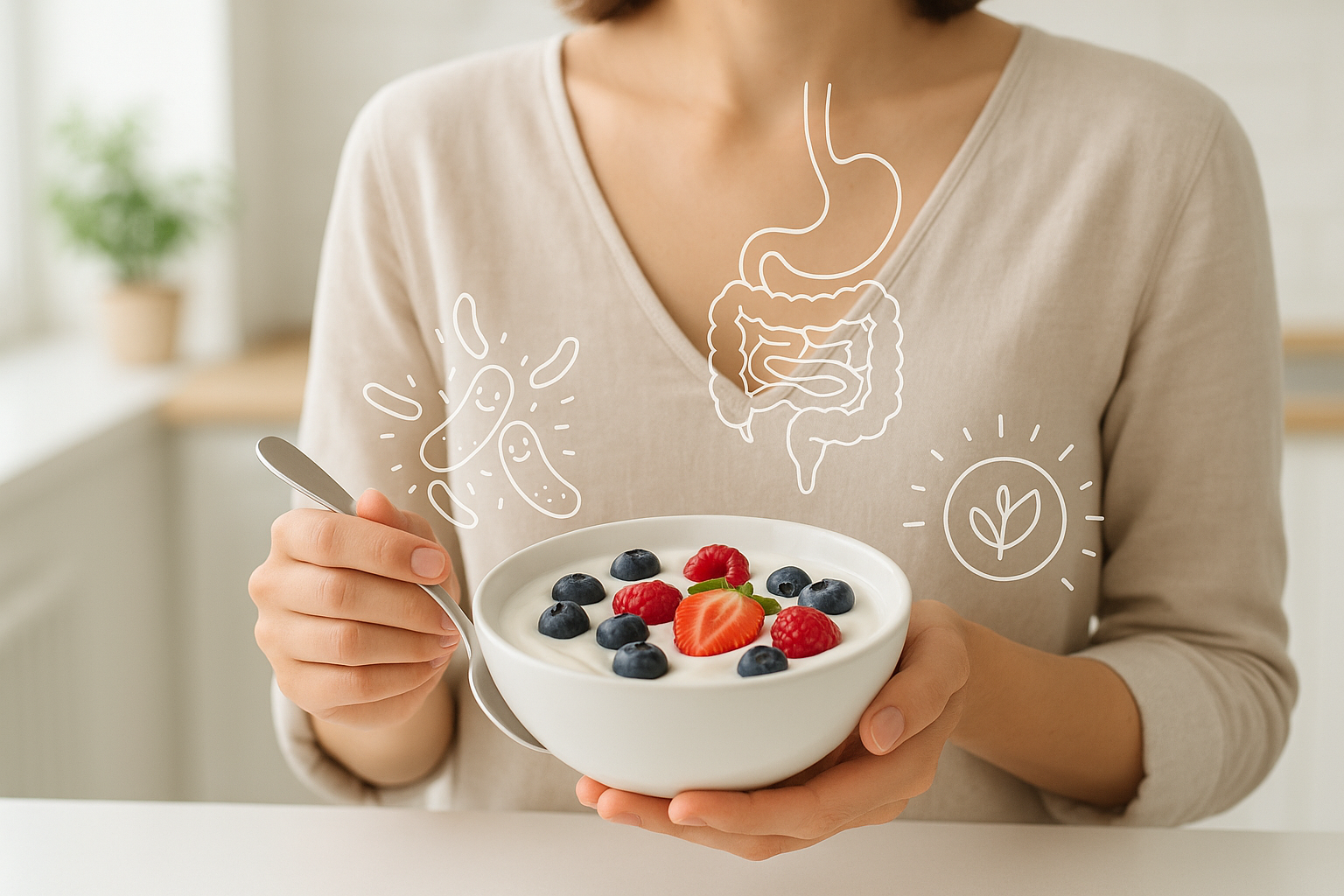
Probiotics for Bloating: How They Support a More Balanced Gut
Probiotics for Bloating: How They Help Rebalance the Gut Microbiome
Bloating is a common digestive complaint that can make the abdomen feel tight, swollen, or uncomfortably full. It may be linked to trapped gas, constipation, food intolerances, stress, changes in gut motility, or an imbalance in the gut microbiome. Probiotics are live microorganisms that may provide health benefits when consumed in adequate amounts, and they are often discussed as a supportive option for digestive comfort.
What causes bloating?
Bloating is not always caused by the same issue. For some people, it appears after eating certain carbohydrates that ferment in the gut. For others, it may be related to constipation, irritable bowel syndrome, recent antibiotic use, or a shift in the balance of bacteria living in the intestines.
The gut microbiome helps break down parts of food that human enzymes cannot fully digest. During that process, bacteria can produce gases such as hydrogen, carbon dioxide, and methane. This is normal, but excess gas production or slowed gas movement may lead to bloating.
How probiotics may help with bloating
Probiotics may reduce bloating in some people by supporting a more stable and diverse gut microbial environment. Different probiotic strains can have different effects, but several general mechanisms may be relevant.
1. Supporting microbial balance
A disrupted microbiome may allow certain gas-producing organisms to become more dominant. Probiotics may help restore balance by adding beneficial bacteria and making the gut environment less favorable for less helpful microbes.
2. Helping with digestion and fermentation
Some probiotic strains may assist in breaking down certain food components, which can influence how much fermentation happens in the colon. More efficient digestion may help reduce the amount of gas produced after meals for some individuals.
3. Supporting regular bowel movements
Constipation is a common reason for bloating. When stool moves slowly, gas can build up and abdominal pressure can increase. Some probiotic strains may support regularity, stool consistency, and gut transit time, which may help reduce the sensation of bloating.
4. Supporting the gut barrier and immune signaling
The gut lining acts as a barrier between the digestive tract and the rest of the body. Probiotics may help support this barrier and influence immune activity in the gut. A calmer gut environment may be especially helpful for people with sensitive digestion.
Choosing probiotics for bloating
Not all probiotics are the same. Benefits are strain-specific, meaning one strain may help with a certain symptom while another may not. Common probiotic groups include Lactobacillus, Bifidobacterium, and Saccharomyces boulardii. For bloating, many people look for products that include studied Lactobacillus and Bifidobacterium strains, but the best option depends on the individual.
When comparing probiotic products, consider:
- The strain names listed on the label
- The colony forming units, often shown as CFU
- Whether the product has been tested for quality
- Storage instructions, such as refrigeration or shelf stability
- Whether it contains added prebiotics, which may help some people but worsen gas in others
Food sources of probiotics
Probiotics can come from supplements, but they are also found in fermented foods. Examples include yogurt with live and active cultures, kefir, fermented vegetables, miso, tempeh, and some fermented drinks. If you are sensitive to bloating, introduce fermented foods gradually because sudden increases can temporarily increase gas.
How long do probiotics take to work for bloating?
Some people notice changes within a few days, while others may need several weeks. A reasonable trial is often 2 to 4 weeks, unless a healthcare professional recommends otherwise. If bloating worsens, causes pain, or is accompanied by concerning symptoms, stop the product and seek medical guidance.
When bloating needs medical attention
Occasional bloating is common, but persistent or severe bloating should be evaluated. Contact a healthcare professional if bloating comes with unexplained weight loss, blood in the stool, persistent vomiting, fever, severe abdominal pain, new symptoms after age 50, or major changes in bowel habits.
Bottom line
Probiotics may help reduce bloating for some people by supporting gut microbiome balance, regular bowel movements, digestion, and a healthier intestinal environment. Results vary by person and strain, so it is best to start slowly, track symptoms, and choose reputable products. For ongoing or severe bloating, professional evaluation can help identify the underlying cause and guide the safest approach.