
Natural Remedies for Inflammation Backed by Nutritional Science
Natural Remedies for Inflammation Backed by Nutritional Science
Inflammation is not always bad. Acute inflammation helps the body respond to infection, injury, and irritation. The concern is persistent, low-grade inflammation, which is associated with patterns seen in conditions such as cardiovascular disease, metabolic syndrome, arthritis, and some digestive disorders.
Natural remedies for inflammation work best when they are viewed as supportive strategies rather than quick cures. The strongest evidence generally supports overall dietary patterns, consistent movement, adequate sleep, and targeted nutrient intake when appropriate.
1. Build meals around an anti-inflammatory eating pattern
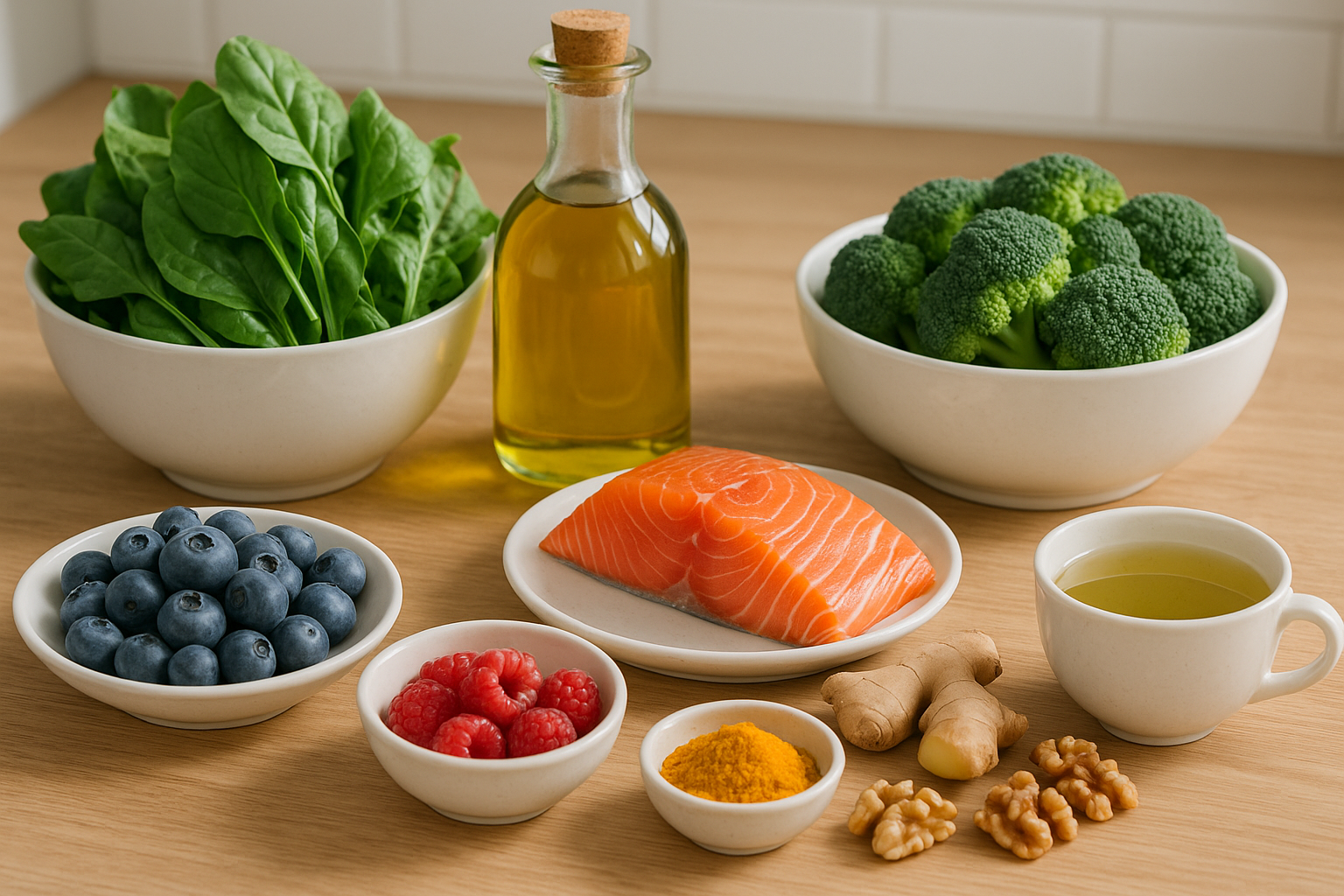
The most evidence-informed approach is not a single superfood. It is a pattern rich in minimally processed plant foods, healthy fats, and high-quality protein.
A practical anti-inflammatory plate includes:
- Vegetables, especially leafy greens, cruciferous vegetables, peppers, tomatoes, onions, and mushrooms
- Fruits, especially berries, cherries, citrus, apples, and pomegranate
- Legumes such as lentils, chickpeas, black beans, and soy foods
- Whole grains such as oats, barley, quinoa, brown rice, and whole wheat
- Nuts and seeds such as walnuts, almonds, chia seeds, flaxseed, and pumpkin seeds
- Extra virgin olive oil as a primary fat
- Fatty fish such as salmon, sardines, trout, anchovies, and mackerel
- Herbs and spices such as turmeric, ginger, garlic, cinnamon, rosemary, and oregano
This type of eating pattern provides fiber, polyphenols, carotenoids, magnesium, omega-3 fats, and other compounds that help regulate oxidative stress and inflammatory signaling.

2. Increase omega-3 fatty acids from fish and plant sources
Omega-3 fatty acids are among the best-studied nutrients for inflammation. EPA and DHA, found mainly in fatty fish and fish oil, are involved in the production of compounds that help resolve inflammation.
Good food sources include:
- Salmon
- Sardines
- Mackerel
- Anchovies
- Trout
- Herring
Plant sources such as chia seeds, flaxseed, hemp seeds, and walnuts provide ALA, a plant omega-3. ALA is beneficial, but conversion to EPA and DHA is limited, so fatty fish or algae-based omega-3 may be useful for some people.
Supplement caution: Omega-3 supplements can interact with blood-thinning medications and may not be appropriate before surgery or at high doses without medical supervision.
3. Use extra virgin olive oil as a primary cooking fat
Extra virgin olive oil is rich in monounsaturated fat and polyphenols. It is a core feature of Mediterranean-style diets, which are linked with improved cardiometabolic and inflammatory markers in many studies.
How to use it:
- Drizzle over cooked vegetables
- Use in salad dressings
- Add to beans, lentils, and whole grains
- Use for low-to-moderate heat cooking
Choose extra virgin olive oil in dark glass bottles when possible, and store it away from heat and light.
4. Eat more fiber to support the gut-immune connection
The gut microbiome plays an important role in immune regulation. Dietary fiber feeds beneficial gut bacteria, which produce short-chain fatty acids such as butyrate. These compounds help maintain the gut barrier and influence inflammatory pathways.
Fiber-rich foods include:
- Beans and lentils
- Oats and barley
- Vegetables
- Fruits with skin
- Ground flaxseed and chia seeds
- Nuts and seeds
Increase fiber gradually and drink enough water to reduce bloating or digestive discomfort.
5. Add turmeric and ginger, but use them realistically
Turmeric contains curcumin, a compound studied for its effects on inflammatory signaling. Ginger contains gingerols and related compounds that may also support a healthy inflammatory response.
Practical ways to use them:
- Add turmeric to soups, lentils, rice, roasted vegetables, and smoothies
- Pair turmeric with black pepper and a fat source to improve absorption
- Use fresh ginger in tea, stir-fries, soups, and dressings
- Add ginger to oatmeal or smoothies
Food-level use is generally safe for many people, but concentrated turmeric or curcumin supplements may interact with medications and may not be appropriate for people with gallbladder disease, bleeding risk, or certain medical conditions.
6. Prioritize colorful polyphenol-rich foods
Polyphenols are plant compounds that help protect cells from oxidative stress and may influence inflammatory pathways.
High-polyphenol choices include:
- Blueberries, raspberries, strawberries, and blackberries
- Cherries
- Cocoa and dark chocolate with high cocoa content
- Green tea
- Coffee
- Pomegranate
- Red grapes
- Herbs and spices
A simple goal is to eat at least three different colors of plant foods daily.
7. Reduce ultra-processed foods and excess added sugar
Natural remedies are more effective when they replace habits that may worsen inflammatory balance. Diets high in ultra-processed foods, refined carbohydrates, sugary drinks, and low-quality fats can contribute to excess calorie intake, blood sugar swings, and oxidative stress.
Limit or reduce:
- Sugary drinks
- Candy and pastries
- Refined snack foods
- Processed meats
- Deep-fried fast foods
- Large amounts of refined grains
Instead of aiming for perfection, focus on consistent upgrades: water instead of soda, fruit instead of candy, roasted potatoes instead of fries, and nuts instead of refined snack foods.
8. Support vitamin D status if you are low
Vitamin D plays an important role in immune function. Low vitamin D status is common in many regions, especially where sun exposure is limited. However, more is not always better, and vitamin D supplements should be based on need.
Food sources include:
- Fatty fish
- Egg yolks
- Fortified milk or plant milk
- Fortified cereals
Ask a healthcare provider whether testing or supplementation is appropriate, especially if you have limited sun exposure, darker skin, osteoporosis risk, malabsorption, or certain chronic conditions.
9. Consider magnesium-rich foods
Magnesium is involved in hundreds of biochemical reactions, including energy metabolism, muscle function, glucose regulation, and immune function. Many magnesium-rich foods are also high in fiber and antioxidants.
Good sources include:
- Pumpkin seeds
- Almonds and cashews
- Spinach
- Black beans
- Edamame
- Oats
- Dark chocolate
Food sources are preferred for most people. Magnesium supplements can cause diarrhea and may interact with some medications, including certain antibiotics and osteoporosis medications.
10. Combine nutrition with sleep, movement, and stress regulation
Inflammation is influenced by more than diet. Poor sleep, chronic stress, smoking, excess alcohol, and prolonged inactivity can all affect inflammatory markers.
Evidence-informed lifestyle supports include:
- Aim for consistent, sufficient sleep
- Walk most days or accumulate regular moderate activity
- Add resistance training two or more days weekly if appropriate
- Practice stress reduction such as breathing, meditation, prayer, yoga, or time outdoors
- Avoid smoking and limit alcohol
Even small changes can matter. A 10-minute walk after meals, a regular bedtime, or replacing one ultra-processed snack daily can be a meaningful starting point.
A simple anti-inflammatory day of eating
Breakfast: Oatmeal with blueberries, ground flaxseed, walnuts, and cinnamon.
Lunch: Lentil and vegetable soup with extra virgin olive oil and a side salad.
Snack: Plain yogurt or unsweetened kefir with berries, or hummus with vegetables.
Dinner: Salmon or tofu with roasted broccoli, quinoa, turmeric, ginger, garlic, and olive oil.
Drink: Water, green tea, or unsweetened herbal tea.
When to seek medical care
Natural remedies should not be used to ignore serious symptoms. Contact a healthcare professional if inflammation is associated with persistent pain, swelling, fever, unexplained weight loss, blood in stool, chest pain, severe fatigue, autoimmune symptoms, or symptoms that interfere with daily life.
Bottom line
The best natural remedies for inflammation are not isolated hacks. They are consistent, evidence-informed habits: eat a colorful, fiber-rich diet; include omega-3 fats; use extra virgin olive oil; add herbs and spices; reduce ultra-processed foods; and support sleep, movement, and stress recovery. For supplements or chronic conditions, personalize the plan with a qualified healthcare provider.
References
NIH Office of Dietary Supplements: Omega-3 Fatty Acids