Vitamin D Deficiency Symptoms and How to Restore Optimal Levels Naturally
What Is Vitamin D and Why It Matters
Vitamin D is a fat soluble vitamin that functions like a hormone in the body. It helps regulate calcium and phosphorus absorption, supports bone mineralization, contributes to muscle strength, and plays a key role in immune function.
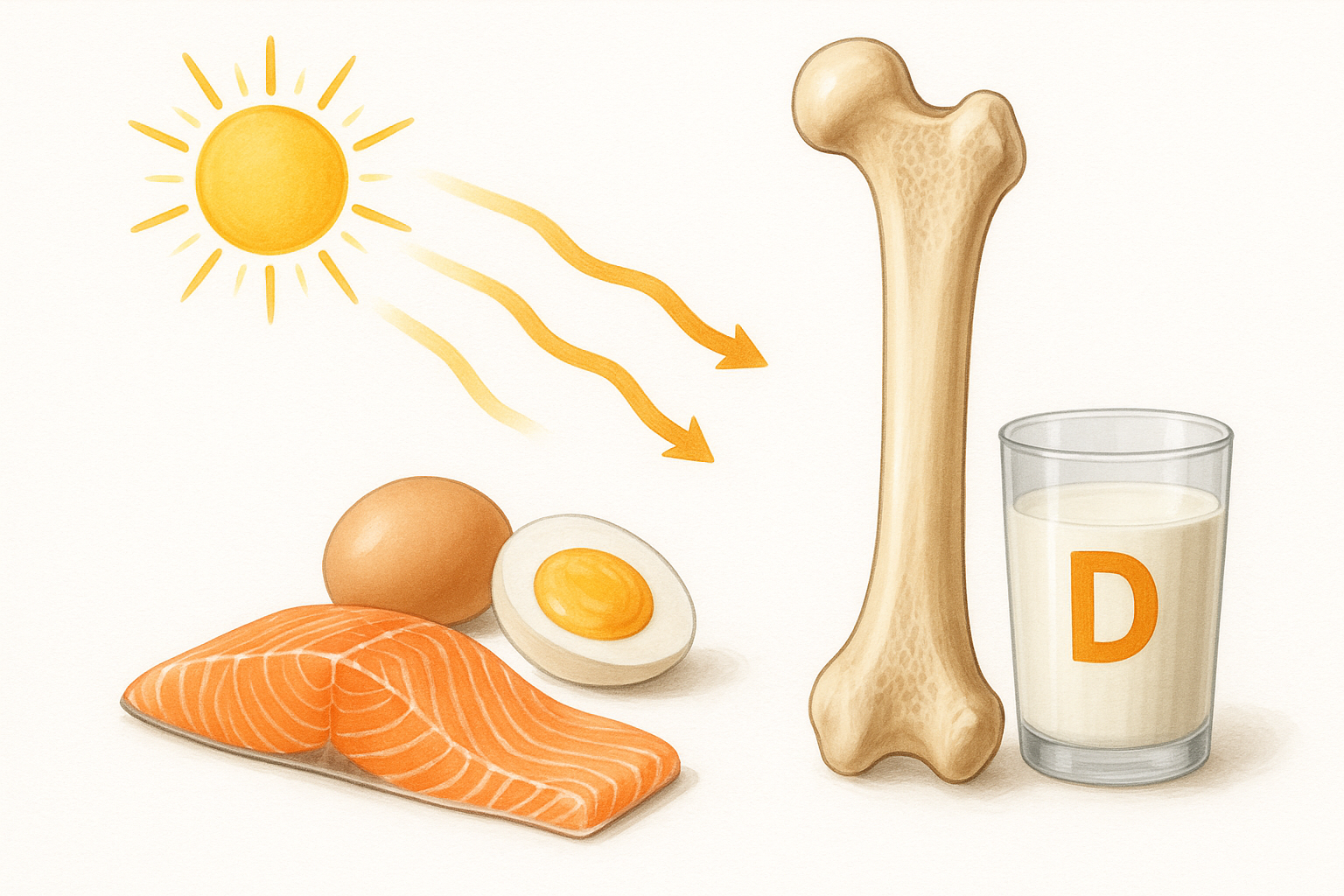
Your body produces vitamin D when skin is exposed to ultraviolet B sunlight. It is also obtained from certain foods and supplements.
Common Vitamin D Deficiency Symptoms
Many people with low vitamin D levels have mild or vague symptoms. More significant deficiency can lead to noticeable health issues.
1. Fatigue and Low Energy
Persistent tiredness is one of the most commonly reported symptoms of vitamin D deficiency.
2. Bone Pain and Lower Back Pain
Vitamin D helps maintain calcium balance. Low levels may cause deep, aching bone pain, especially in the lower back, hips, pelvis, or legs.
3. Muscle Weakness or Cramps
Deficiency can impair muscle function, increasing fall risk in older adults and contributing to generalized weakness.
4. Frequent Illness or Infections
Vitamin D plays a role in immune defense. Low levels are associated with increased susceptibility to respiratory infections.
5. Mood Changes
Some research suggests an association between low vitamin D levels and mood disturbances, including symptoms of depression.
6. Hair Thinning
Severe deficiency has been linked to certain types of hair loss, although this is less common.
In children, prolonged deficiency can cause rickets, a condition characterized by soft and weak bones. In adults, it can lead to osteomalacia and contribute to osteoporosis.
Who Is at Higher Risk?
You may be at increased risk if you:
- Have limited sun exposure
- Use sunscreen consistently without adequate dietary intake
- Have darker skin pigmentation
- Are over age 65
- Have obesity
- Have digestive disorders affecting fat absorption
- Have chronic kidney or liver disease
Testing and Optimal Levels
A blood test measuring 25 hydroxyvitamin D is used to assess status.
According to the National Institutes of Health Office of Dietary Supplements:
- Levels below 20 ng per mL are generally considered deficient
- 20 to 50 ng per mL is considered sufficient for most people
Your healthcare provider can help interpret your results based on individual risk factors.
How to Restore Optimal Vitamin D Levels Naturally
1. Safe Sun Exposure
Short periods of midday sun exposure to arms and legs several times per week may help increase vitamin D production. Time needed varies based on skin tone, season, latitude, and age. Avoid sunburn.
2. Eat Vitamin D Rich Foods
Natural and fortified food sources include:
- Fatty fish such as salmon, mackerel, and sardines
- Cod liver oil
- Egg yolks
- Fortified milk and plant based beverages
- Fortified cereals
Diet alone may not fully correct deficiency but supports overall intake.
3. Consider Supplementation
Vitamin D3 supplements are commonly used when levels are low. Dosage depends on baseline levels and medical guidance. Typical maintenance doses range from 600 to 2000 IU daily, though higher short term doses may be prescribed for deficiency.
Do not exceed recommended doses without medical supervision, as excessive vitamin D can cause toxicity.
4. Support Bone Health Holistically
For optimal results:
- Ensure adequate calcium intake
- Engage in weight bearing exercise
- Maintain a healthy body weight
- Avoid smoking
When to Seek Medical Advice
Consult a healthcare professional if you experience persistent bone pain, muscle weakness, repeated fractures, or symptoms that interfere with daily life. Testing is especially important for individuals at higher risk.
Key Takeaway
Vitamin D deficiency symptoms can range from subtle fatigue to serious bone disorders. With proper testing, safe sun exposure, targeted nutrition, and appropriate supplementation, most people can restore and maintain healthy vitamin D levels naturally and safely.
References: