
Natural Ways to Reduce Inflammation: Evidence Based Strategies for Lasting Health
Understanding Chronic Inflammation
Inflammation is part of the immune systems natural defense process. Acute inflammation helps fight infections and repair injuries. Chronic inflammation, however, can persist for months or years and is associated with conditions such as cardiovascular disease, type 2 diabetes, certain cancers, and rheumatoid arthritis.
Evidence shows that lifestyle factors including diet, physical activity, sleep quality, stress levels, and body weight strongly influence inflammatory markers in the body.
1. Follow an Anti Inflammatory Eating Pattern
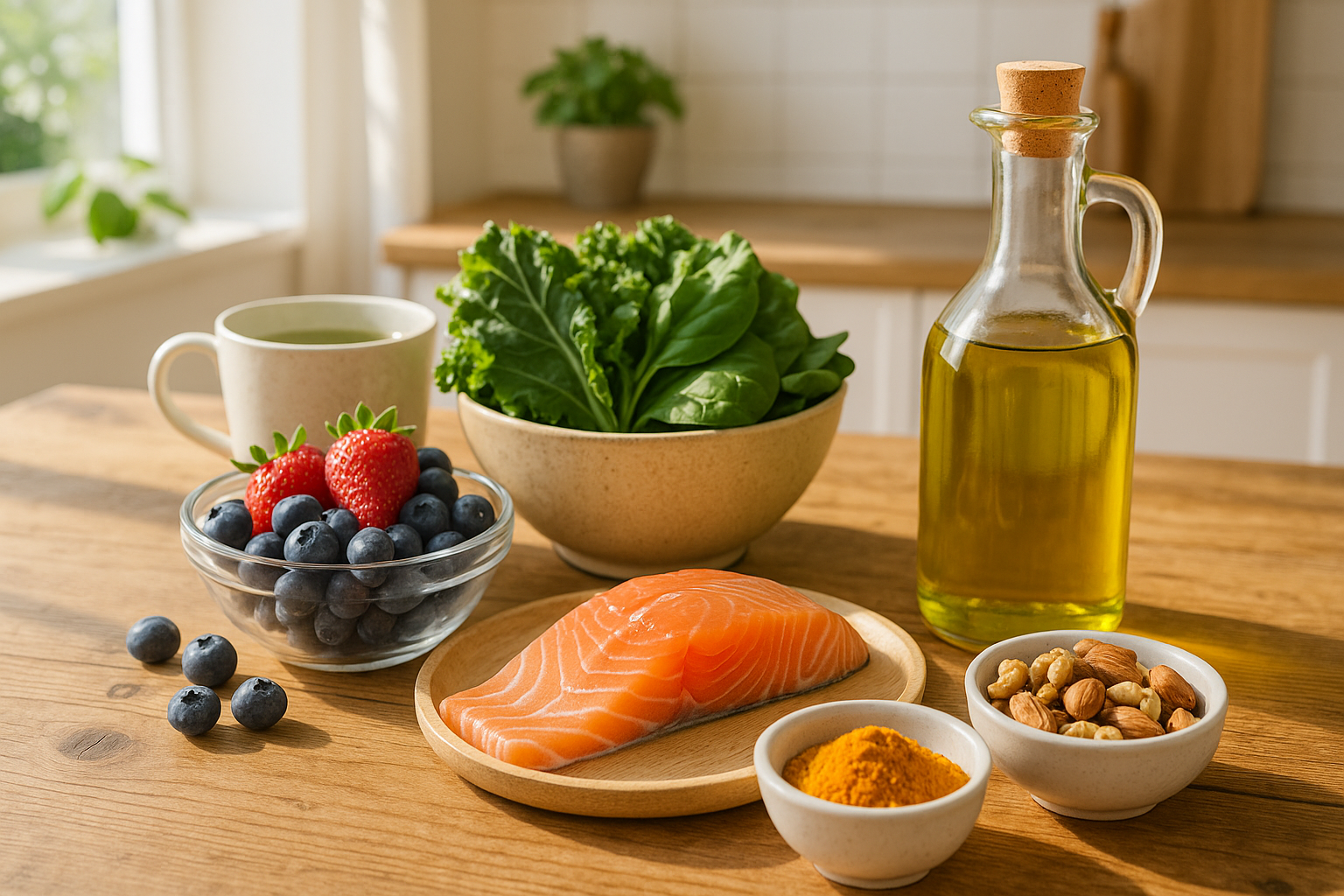
One of the most effective natural ways to reduce inflammation is adopting a dietary pattern rich in whole, minimally processed foods.
Emphasize:
- Fruits and vegetables, especially leafy greens and berries
- Whole grains such as oats and brown rice
- Fatty fish like salmon, sardines, and mackerel
- Nuts and seeds
- Olive oil as a primary fat source
- Legumes including beans and lentils
The Mediterranean style diet is consistently associated with lower levels of inflammatory markers and reduced cardiovascular risk.
Limit:
- Refined carbohydrates
- Sugar sweetened beverages
- Processed meats
- Excessive saturated and trans fats
2. Increase Omega 3 Fatty Acids
Omega 3 fatty acids, found in fatty fish and some plant sources, help regulate inflammatory pathways. Research reviewed by national health authorities shows that omega 3 intake may reduce inflammatory markers and support heart and joint health.

If dietary intake is insufficient, discuss supplementation with a healthcare professional.
3. Maintain a Healthy Body Weight
Excess body fat, particularly visceral fat around the abdomen, produces pro inflammatory chemicals. Weight reduction in individuals who are overweight has been shown to lower inflammatory markers and improve metabolic health.
Sustainable strategies include balanced nutrition, portion awareness, and consistent physical activity.
4. Engage in Regular Physical Activity
Moderate exercise has anti inflammatory effects independent of weight loss. Activities such as brisk walking, cycling, swimming, and strength training can lower inflammatory markers over time.
Aim for at least 150 minutes of moderate intensity aerobic activity per week, along with muscle strengthening activities on two or more days.
5. Prioritize Quality Sleep
Insufficient or poor quality sleep is associated with elevated inflammatory markers. Adults should generally aim for seven to nine hours of sleep per night.
Practical steps include maintaining a consistent sleep schedule, limiting screen exposure before bed, and creating a dark, quiet sleep environment.
6. Manage Chronic Stress
Psychological stress activates inflammatory pathways. Mind body practices such as meditation, deep breathing, yoga, and tai chi have been associated with reductions in stress related inflammatory responses.
Even brief daily stress reduction practices can have measurable benefits over time.
7. Consider Evidence Based Supplements
Certain supplements have shown anti inflammatory potential in research, including:
- Omega 3 fatty acids
- Turmeric containing curcumin
- Vitamin D in individuals with deficiency
Supplement use should be individualized and guided by a healthcare professional to ensure safety and appropriate dosing.
8. Avoid Tobacco and Limit Alcohol
Smoking promotes systemic inflammation and increases the risk of multiple chronic diseases. Quitting smoking reduces inflammatory burden and improves overall health.
Moderate alcohol intake, if any, is recommended. Excessive alcohol consumption increases inflammation and organ damage risk.
The Bottom Line
Natural ways to reduce inflammation focus on consistent, evidence based lifestyle habits rather than quick fixes. A nutrient dense diet, regular physical activity, adequate sleep, stress management, and avoidance of tobacco form the foundation of lowering chronic inflammation. Small, sustainable changes practiced daily can significantly improve long term health outcomes.