Iron Deficiency Symptoms in Women and Natural Strategies to Rebuild Iron Levels
Why Iron Is Essential for Women
Iron is a mineral your body needs to produce hemoglobin, a protein in red blood cells that carries oxygen to tissues. Without adequate iron, the body cannot deliver enough oxygen to support energy production, cognitive function, and overall health.
Women are at higher risk due to:
- Menstrual blood loss
- Pregnancy and breastfeeding
- Diets low in iron-rich foods
- Digestive conditions affecting absorption
Common Iron Deficiency Symptoms in Women
Symptoms may develop gradually and can be mild at first.
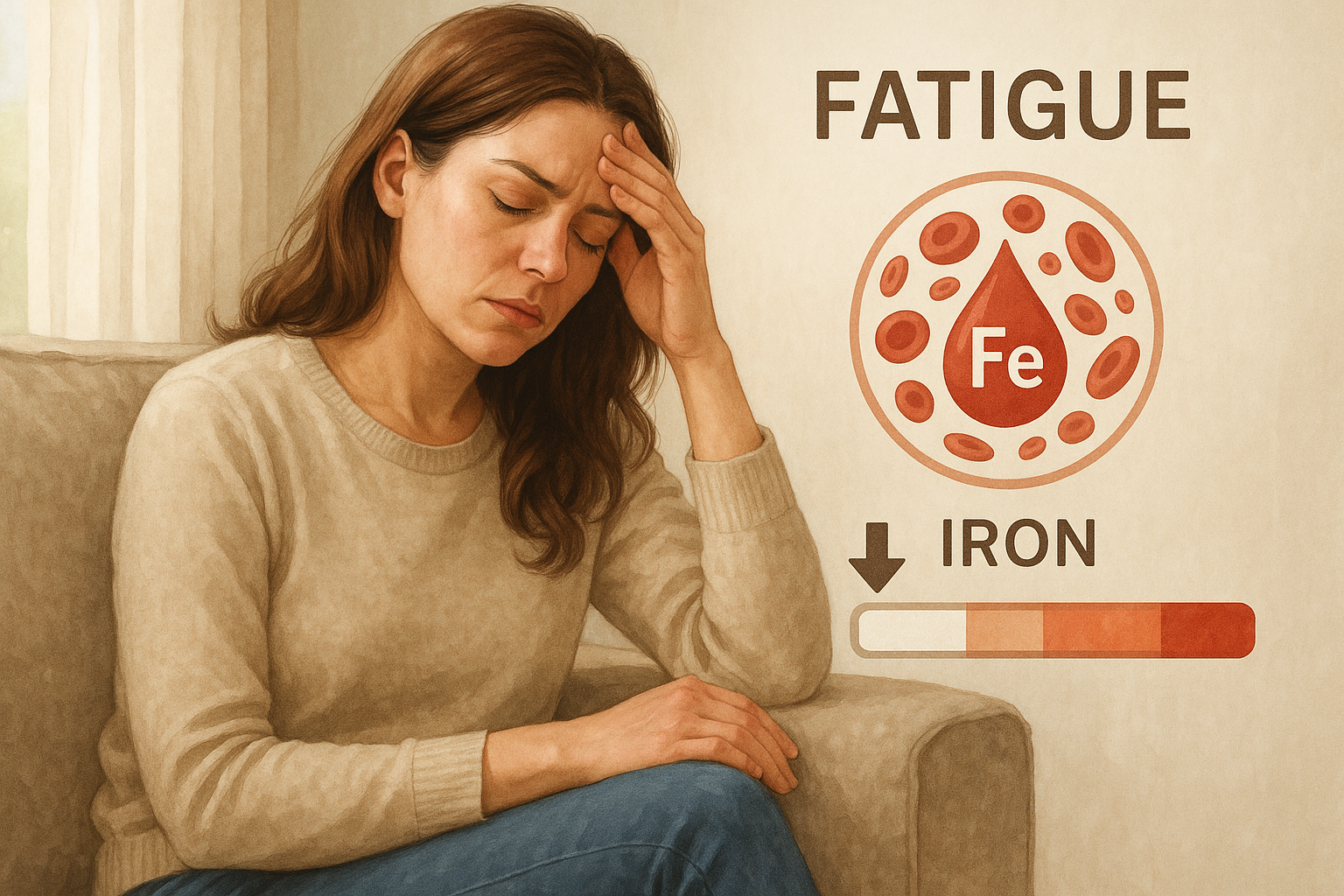
1. Persistent Fatigue
Low iron reduces oxygen delivery to muscles and tissues, leading to constant tiredness, weakness, and reduced stamina.
2. Pale or Sallow Skin
Hemoglobin gives blood its red color. Low levels may cause pale skin, pale inner eyelids, or brittle nails.
3. Shortness of Breath
When iron levels drop, the body works harder to transport oxygen, causing breathlessness during normal activities.
4. Dizziness or Headaches
Reduced oxygen flow to the brain may trigger frequent headaches or lightheadedness.
5. Cold Hands and Feet
Poor oxygen circulation can make extremities feel cold.
6. Hair Thinning
Iron plays a role in cell growth and repair, including hair follicles.
7. Pica
Cravings for non-food items such as ice or clay can be a sign of iron deficiency.
Who Is Most at Risk?
- Women with heavy menstrual periods
- Pregnant women
- Vegetarians or vegans without careful iron planning
- Women with gastrointestinal disorders such as celiac disease
Natural Strategies to Rebuild Iron Levels
If blood tests confirm low iron, a healthcare provider may recommend supplements. In addition, dietary strategies can support recovery.
1. Increase Iron-Rich Foods
There are two types of iron:
- Heme iron (better absorbed): found in red meat, poultry, and fish
- Non-heme iron: found in beans, lentils, tofu, spinach, pumpkin seeds, and fortified cereals
Combining both types can improve overall intake.
2. Pair Iron With Vitamin C
Vitamin C significantly enhances non-heme iron absorption. Combine iron-rich foods with:
- Citrus fruits
- Bell peppers
- Strawberries
- Tomatoes
Example: Add lemon juice to spinach or pair lentils with tomatoes.
3. Avoid Absorption Inhibitors at Meals
Certain substances reduce iron absorption when consumed together:
- Coffee and tea (tannins)
- Calcium supplements
- High-calcium dairy products
Try separating these from iron-rich meals by at least one to two hours.
4. Cook With Cast Iron
Cooking acidic foods such as tomato sauce in cast iron cookware can slightly increase the iron content of food.
5. Address Underlying Causes
If heavy periods, digestive issues, or other medical conditions are contributing to iron loss, treating the root cause is essential for long-term improvement.
When to See a Healthcare Provider
Seek medical evaluation if you experience:
- Severe fatigue affecting daily life
- Rapid heartbeat
- Chest pain
- Fainting
- Symptoms during pregnancy
A simple blood test measuring hemoglobin and ferritin levels can confirm iron deficiency.
Final Thoughts
Iron deficiency symptoms in women are common but often overlooked. Early recognition combined with nutrition-focused strategies can help restore healthy iron levels. Because excessive iron can also be harmful, testing and professional guidance are important before starting supplementation.
References: