
Probiotics for Immune Support: How Gut Health Strengthens Immunity
The Gut and the Immune System
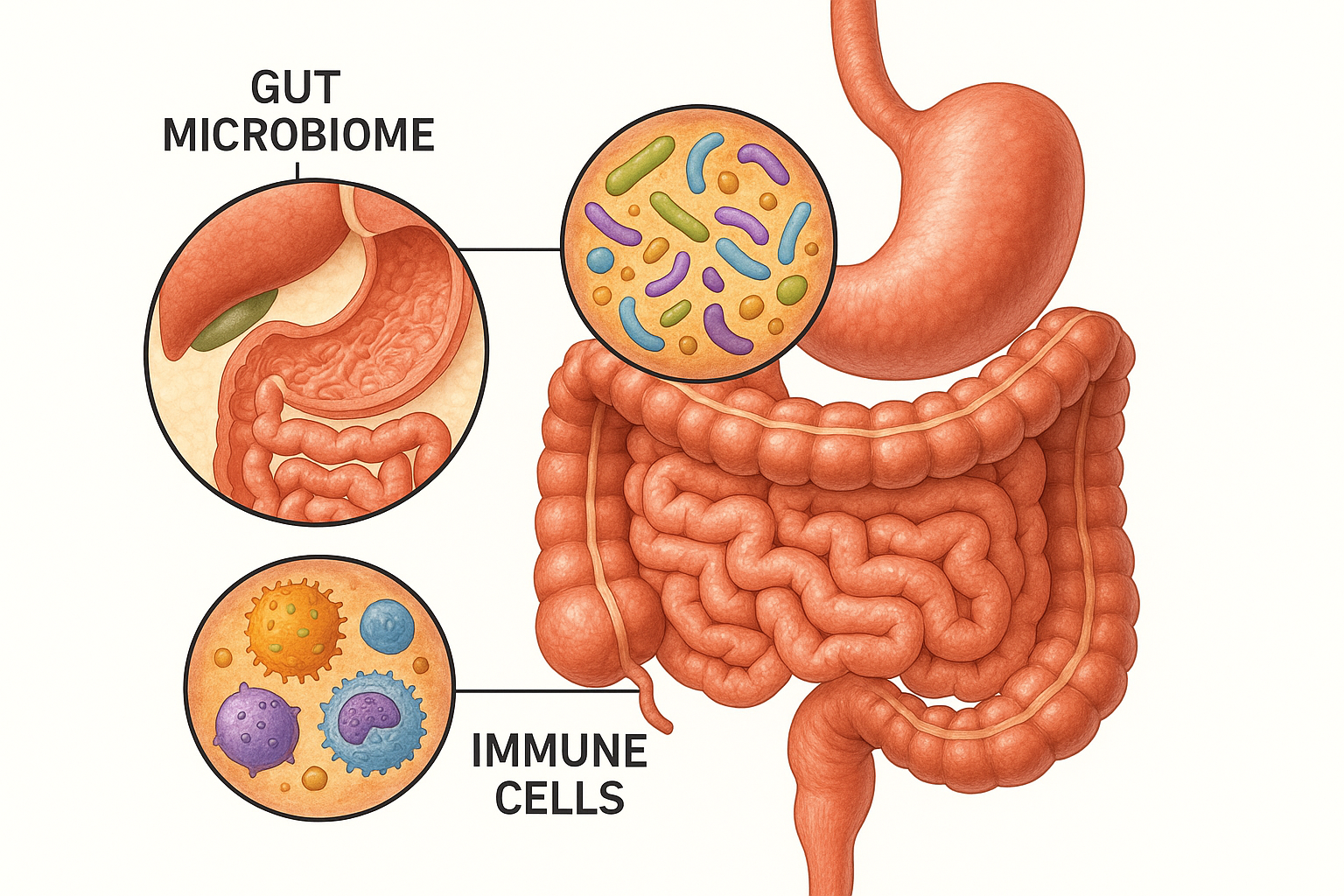
About 70 percent of the immune system resides in the gastrointestinal tract. The gut lining acts as a physical and immunological barrier, protecting the body from harmful pathogens while allowing nutrients to pass through. Trillions of microorganisms, collectively known as the gut microbiome, interact directly with immune cells.
When the gut microbiome is balanced, it helps regulate immune responses and reduce unnecessary inflammation. When disrupted by poor diet, stress, illness, or antibiotics, immune function may become less efficient.
What Are Probiotics
Probiotics are live microorganisms that provide health benefits when consumed in adequate amounts. They are commonly found in fermented foods and dietary supplements. Specific strains such as Lactobacillus and Bifidobacterium have been studied for their role in immune health.
How Probiotics Support Immune Health
1. Strengthening the Gut Barrier
Probiotics help maintain the integrity of the intestinal lining. A strong gut barrier prevents harmful bacteria and toxins from entering the bloodstream, reducing immune system overload.
2. Enhancing Immune Cell Function
Beneficial bacteria interact with immune cells such as macrophages, dendritic cells, and T cells. These interactions help the immune system recognize harmful invaders more effectively and respond appropriately.

3. Supporting Antibody Production
Certain probiotic strains may increase the production of immunoglobulin A, an antibody that plays a critical role in mucosal immunity. This is especially important in defending against respiratory and gastrointestinal infections.
4. Balancing Inflammation
Chronic inflammation can weaken immune defenses. Probiotics help regulate inflammatory signals in the gut, promoting a balanced immune response rather than an overactive one.
Probiotics and Respiratory Health
Research suggests that a healthy gut microbiome may influence respiratory immunity through what is known as the gut lung axis. Some studies indicate that probiotics may reduce the frequency or duration of common respiratory infections, although results vary by strain and individual.
Choosing the Right Probiotic
Not all probiotics provide the same benefits. Effects depend on the specific strain, dosage, and individual health status. Look for products that clearly list the strain name and colony forming units. Discuss options with a healthcare professional, especially if you have underlying conditions.
Supporting Gut Health Naturally
In addition to probiotics, overall gut health can be supported by:
- Eating fiber rich fruits, vegetables, and whole grains
- Including fermented foods in the diet
- Managing stress
- Getting adequate sleep
- Avoiding unnecessary antibiotic use
The Bottom Line
Probiotics for immune support work primarily through their interaction with the gut microbiome. By strengthening the intestinal barrier, enhancing immune cell activity, and balancing inflammation, beneficial bacteria play a key role in maintaining resilient immune health. A comprehensive approach that includes diet and lifestyle habits can further optimize both gut and immune function.
References:
NIH Office of Dietary Supplements – Probiotics Fact Sheet
PubMed Central – Probiotics and Immune Function
Cleveland Clinic – Probiotics Overview