
Anti Inflammatory Diet Basics: A Simple Guide for Beginners
What Is Inflammation?
Inflammation is your body natural response to injury or infection. In the short term, it helps you heal. This is called acute inflammation. However, when inflammation becomes chronic and low grade, it may contribute to conditions such as heart disease, type 2 diabetes, arthritis, and certain autoimmune disorders.
An anti inflammatory diet is designed to lower chronic inflammation by emphasizing nutrient dense, minimally processed foods.
Core Principles of an Anti Inflammatory Diet for Beginners
- Focus on whole foods.
- Eat a wide variety of fruits and vegetables.
- Choose healthy fats.
- Include high quality protein.
- Limit ultra processed and high sugar foods.
This way of eating is similar to Mediterranean style dietary patterns, which have been widely studied for their health benefits.
Foods to Eat More Often
1. Vegetables and Fruits
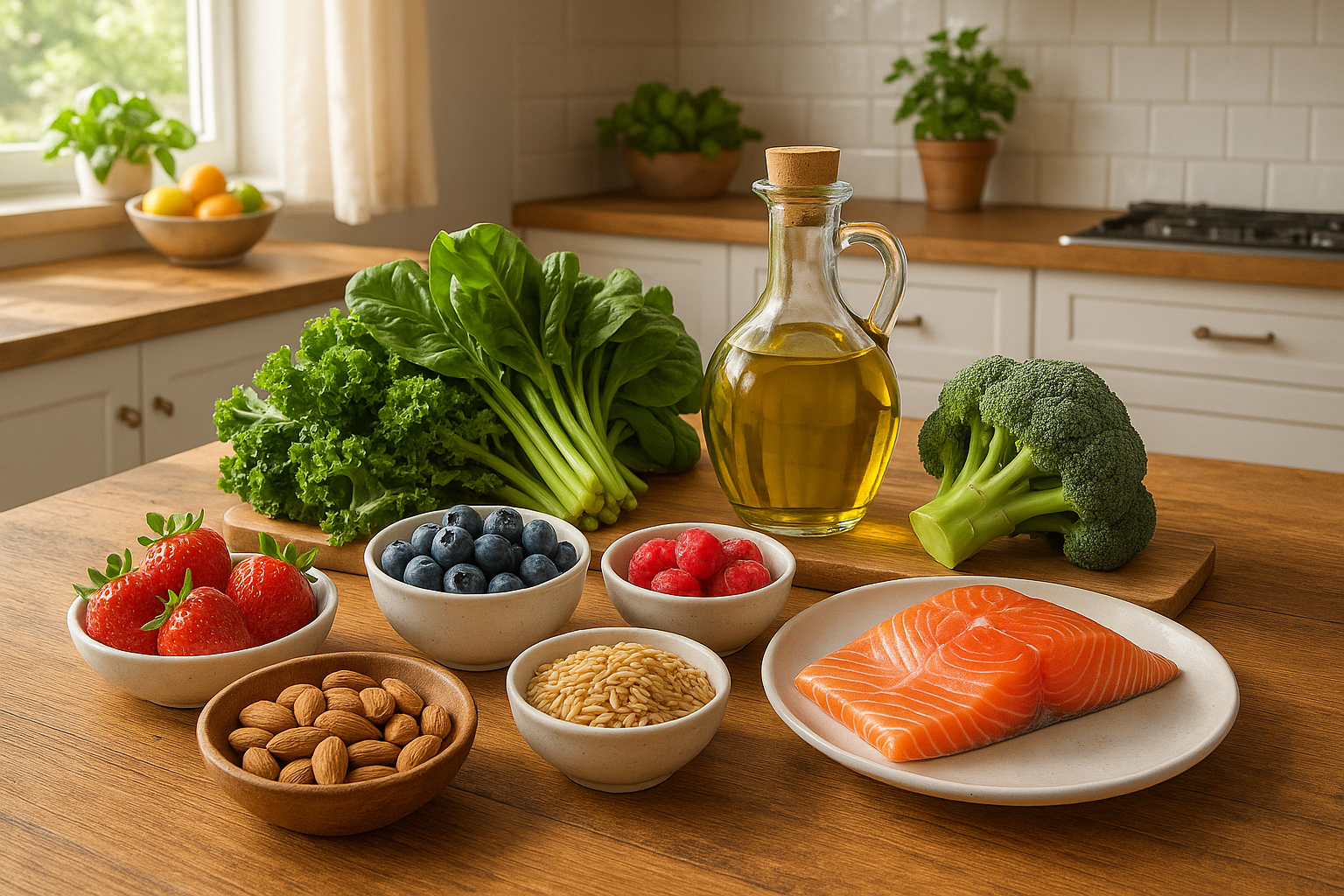
Aim for a variety of colors. Leafy greens, broccoli, tomatoes, berries, cherries, and oranges provide antioxidants and phytonutrients that help combat oxidative stress.
2. Healthy Fats
Extra virgin olive oil, avocados, nuts, and seeds provide monounsaturated and polyunsaturated fats. Fatty fish such as salmon, sardines, and mackerel are rich in omega 3 fatty acids, which are associated with lower inflammatory markers.

3. Whole Grains
Choose oats, quinoa, brown rice, and whole wheat instead of refined grains. Whole grains provide fiber, which supports gut health and may help regulate inflammation.
4. Lean and Plant Proteins
Beans, lentils, tofu, fish, and moderate amounts of poultry are good options. These provide essential nutrients without excessive saturated fat.
5. Herbs and Spices
Turmeric, ginger, garlic, cinnamon, and rosemary contain bioactive compounds that may support the body anti inflammatory processes.
Foods to Limit
- Sugary drinks and sweets
- Refined carbohydrates such as white bread and pastries
- Processed meats
- Excessive red meat
- Highly processed snack foods
- Trans fats and partially hydrogenated oils
These foods are often linked with higher levels of inflammatory markers and increased risk of chronic disease.
Simple Meal Ideas for Beginners
- Breakfast: Oatmeal topped with berries, chia seeds, and walnuts.
- Lunch: Large salad with mixed greens, grilled salmon, olive oil, and lemon.
- Snack: Apple slices with almond butter.
- Dinner: Roasted vegetables, quinoa, and baked chicken with herbs.
Start with one meal at a time. Replace refined grains with whole grains, add one extra serving of vegetables daily, and swap butter for olive oil.
Lifestyle Habits That Support an Anti Inflammatory Diet
Diet works best when combined with other healthy habits:
- Regular physical activity
- Adequate sleep
- Stress management
- Avoiding tobacco
Chronic stress and poor sleep can increase inflammatory responses, even with a healthy diet.
What Results Can Beginners Expect?
Some people notice improved energy and digestion within weeks. Over time, consistent dietary patterns may support heart health, metabolic function, and overall well being. Individual results vary based on genetics, existing conditions, and overall lifestyle.
Getting Started Today
Keep it simple. Fill half your plate with vegetables, include a source of healthy fat, choose whole grains, and prioritize minimally processed foods. Small, consistent changes are more sustainable than extreme restrictions.
An anti inflammatory diet for beginners is not a strict plan but a long term approach to nourishing your body with foods that support resilience and reduce chronic disease risk.