Early and Overlooked Signs of Vitamin D Deficiency in Adults
Why Vitamin D Matters
Vitamin D plays a critical role in calcium absorption, bone strength, immune function, and muscle performance. According to the National Institutes of Health, it also supports inflammation regulation and neuromuscular function. Because it influences multiple body systems, low levels can produce a wide range of symptoms.
Many adults are at risk, especially those who:
- Get limited sun exposure
- Have darker skin
- Are over age 65
- Have obesity
- Have digestive disorders affecting nutrient absorption
- Live in northern climates
Early and Overlooked Symptoms in Adults
1. Persistent Fatigue
One of the most common early symptoms is ongoing tiredness. This fatigue may feel disproportionate to activity levels and does not fully improve with rest. Because fatigue is nonspecific, vitamin D deficiency is often not immediately suspected.
2. Muscle Weakness or Aches
Vitamin D supports muscle function. Low levels can cause:
- General muscle weakness
- Difficulty climbing stairs
- Trouble standing from a seated position
- Diffuse muscle aches
These symptoms may be mistaken for normal aging or lack of exercise.
3. Bone Pain or Tenderness
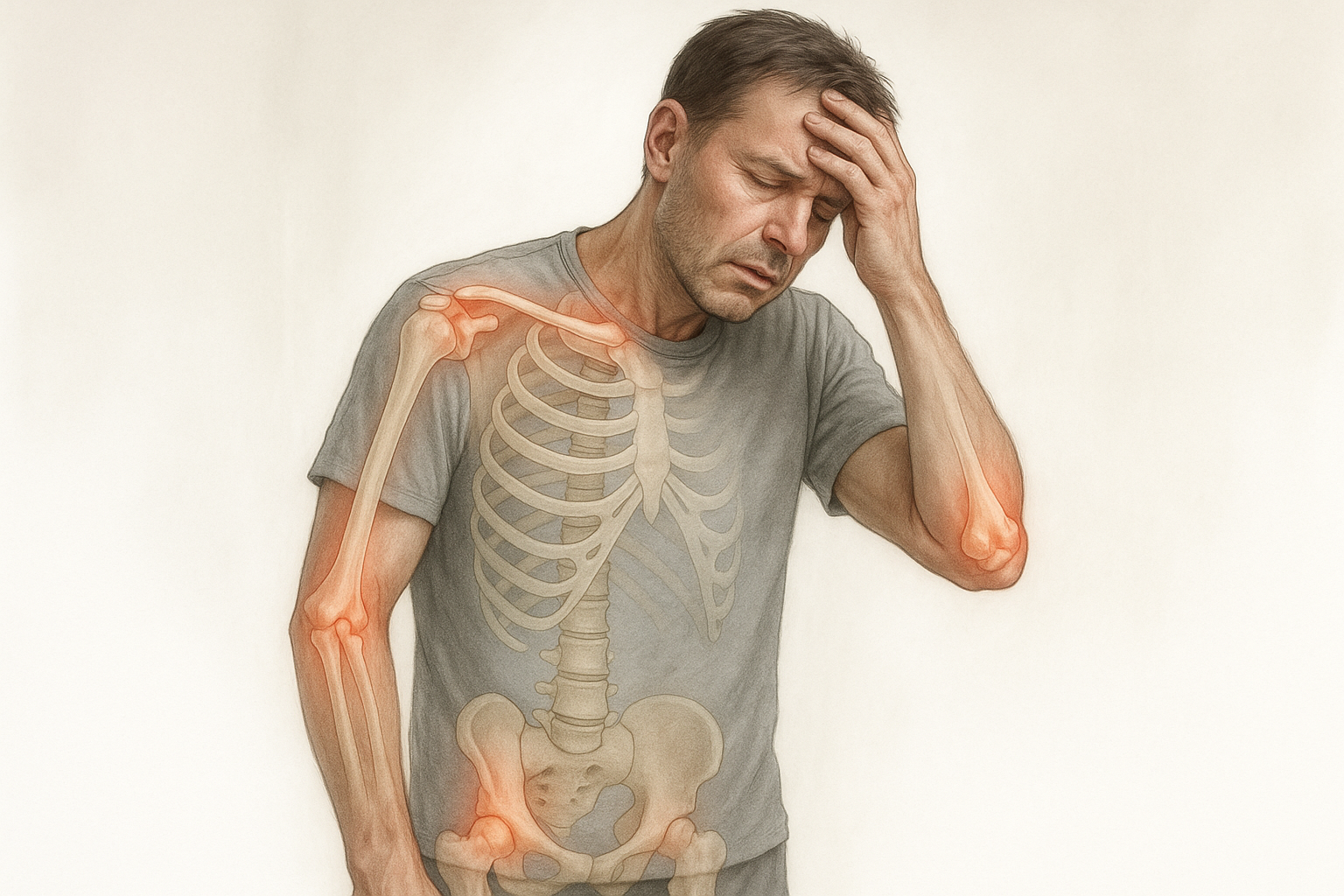
Unlike muscle soreness, bone discomfort may feel deep and persistent, often affecting the lower back, hips, pelvis, or legs. Chronic deficiency can lead to osteomalacia in adults, a condition that softens bones and increases fracture risk.
4. Frequent Illness or Infections
Vitamin D plays a role in immune regulation. Adults with low levels may notice:
- More frequent colds
- Recurring respiratory infections
- Slower recovery from illness
While vitamin D is not a cure for infections, adequate levels support immune resilience.
5. Mood Changes and Low Mood
Emerging research suggests a link between vitamin D deficiency and mood disorders. Some adults report:
- Low mood
- Increased irritability
- Reduced motivation
Seasonal mood changes during winter months may partly relate to reduced sunlight exposure and lower vitamin D production.
6. Hair Thinning
Although less common, some studies associate severe deficiency with hair thinning or increased shedding. This symptom typically appears alongside other deficiency signs.
7. Slow Wound Healing
Vitamin D contributes to inflammation control and tissue repair. If minor cuts or injuries take longer than usual to heal, low levels may be a contributing factor.
When Deficiency Becomes Severe
Untreated vitamin D deficiency can lead to:
- Osteomalacia in adults
- Increased fracture risk
- Chronic widespread pain
- Significant muscle weakness
Long term deficiency may also contribute to osteoporosis, particularly in postmenopausal women and older adults.
How It Is Diagnosed
A simple blood test measuring 25 hydroxyvitamin D is used to determine vitamin D status. Healthcare providers interpret results based on established reference ranges and individual risk factors.
Improving Vitamin D Levels
Depending on severity, treatment may include:
- Safe sun exposure
- Dietary sources such as fatty fish, fortified dairy, and egg yolks
- Vitamin D supplements under medical supervision
Supplement dosage should be guided by a healthcare professional, as excessive intake can cause toxicity.
Key Takeaway
Vitamin D deficiency symptoms in adults are often subtle at first. Persistent fatigue, muscle weakness, bone discomfort, mood changes, and frequent infections may signal low levels. Early testing and appropriate treatment can help prevent long term complications and support overall health.
References: