
Early Signs of Vitamin B12 Deficiency and How to Restore Healthy Levels Naturally
## What Is Vitamin B12 and Why It Matters
Vitamin B12, also known as cobalamin, is a water soluble vitamin that plays a critical role in red blood cell formation, DNA synthesis, nerve function, and energy metabolism. Because the body does not produce B12 on its own, it must be obtained from food or supplements.
B12 is primarily found in animal based foods such as meat, fish, eggs, and dairy. This makes vegetarians, vegans, and individuals with certain digestive conditions more vulnerable to deficiency.
## Early Signs of Vitamin B12 Deficiency
Early symptoms can be mild and develop gradually. Common warning signs include:
### 1. Persistent Fatigue and Weakness
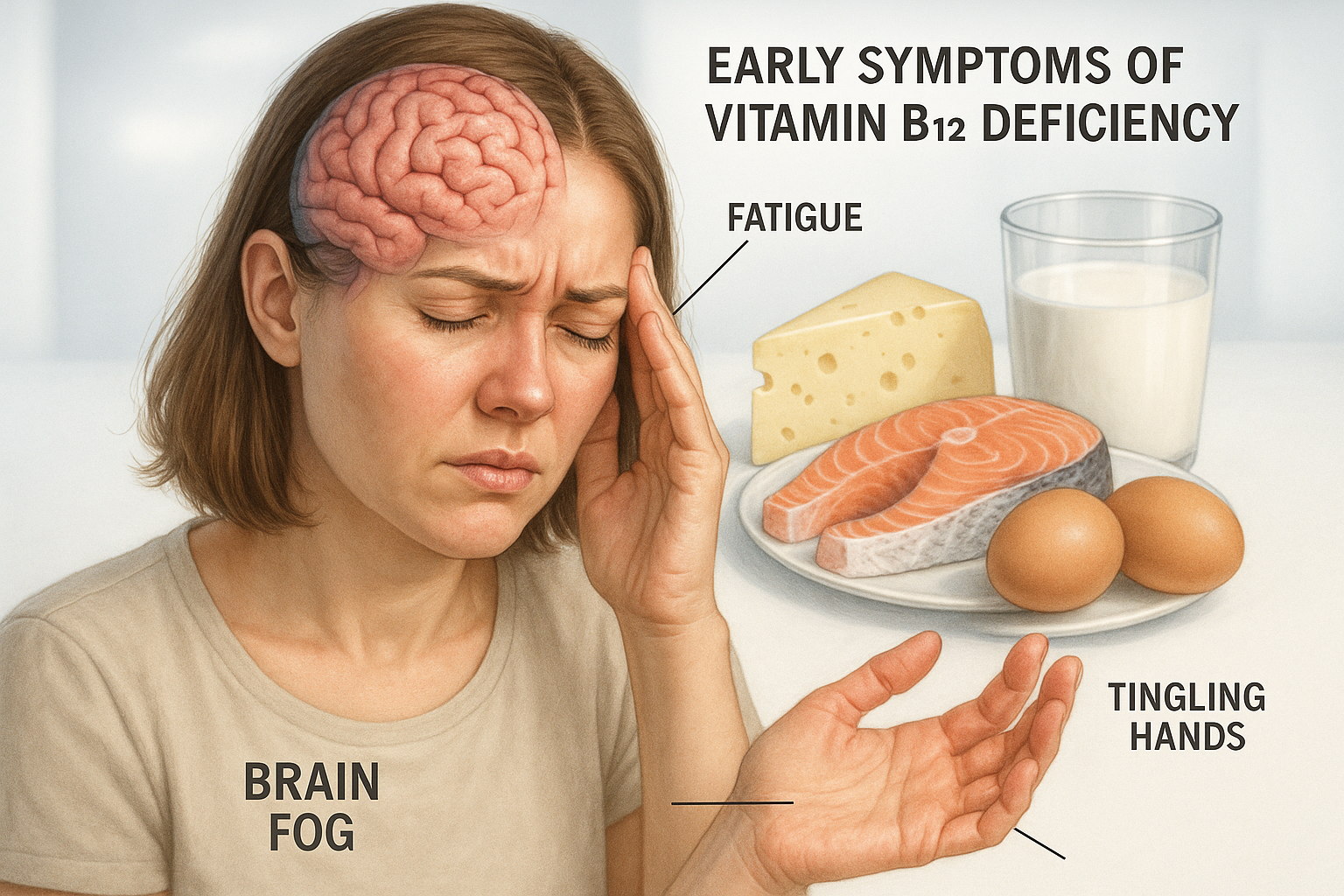
Low B12 levels can reduce red blood cell production, limiting oxygen delivery to tissues. This often leads to ongoing tiredness, weakness, and low stamina.
### 2. Brain Fog and Memory Problems
Vitamin B12 supports neurological function. Deficiency may cause difficulty concentrating, forgetfulness, mental sluggishness, and mood changes.

### 3. Tingling or Numbness
A prickling sensation in the hands, legs, or feet can occur due to nerve involvement. This symptom should not be ignored, as prolonged deficiency may lead to nerve damage.
### 4. Pale or Slightly Yellow Skin
Reduced red blood cell production can cause pale skin. In some cases, mild jaundice may develop due to increased breakdown of fragile red blood cells.
### 5. Shortness of Breath and Dizziness
When oxygen transport is compromised, you may feel lightheaded or short of breath, especially during physical activity.
### 6. Mood Changes
Low B12 levels have been linked to irritability, depression, and mood instability due to its role in neurotransmitter regulation.
## Who Is at Higher Risk
Certain groups are more likely to develop vitamin B12 deficiency:
– Adults over 50 due to reduced stomach acid
– Vegetarians and vegans
– Individuals with digestive disorders such as celiac or Crohn disease
– People taking medications that reduce stomach acid
– Those who have had gastrointestinal surgery
## How to Restore Healthy B12 Levels Naturally
### 1. Increase B12 Rich Foods
Incorporate foods naturally high in vitamin B12 such as:
– Grass fed beef
– Wild caught fish like salmon and sardines
– Eggs
– Milk, yogurt, and cheese
– Organ meats such as liver
For vegetarians, fortified foods such as plant milks and breakfast cereals can help support intake.
### 2. Improve Gut Health
Since B12 absorption depends on healthy stomach acid and intrinsic factor, supporting digestion is important. Strategies include eating balanced meals, managing stress, and addressing underlying digestive conditions with professional guidance.
### 3. Consider Supplementation
Oral B12 supplements or sublingual forms can help restore levels, especially for those with dietary restrictions. In more severe cases, a healthcare provider may recommend B12 injections.
### 4. Monitor Your Levels
A simple blood test can measure vitamin B12 status. If you experience symptoms, testing can confirm deficiency and guide appropriate treatment.
## When to Seek Medical Advice
If you experience persistent fatigue, numbness, memory problems, or mood changes, consult a healthcare professional. Early detection and treatment are important to prevent long term neurological complications.
## Key Takeaway
The early signs of vitamin B12 deficiency often appear gradually and may be mistaken for everyday stress or aging. Paying attention to fatigue, cognitive changes, and nerve related symptoms can help you identify a potential problem early. With dietary improvements, digestive support, and appropriate supplementation, most people can restore healthy B12 levels and protect their long term health.