
Probiotic Rich Foods That Naturally Support Digestion and Microbiome Balance
Probiotic Rich Foods That Naturally Support Digestion and Microbiome Balance
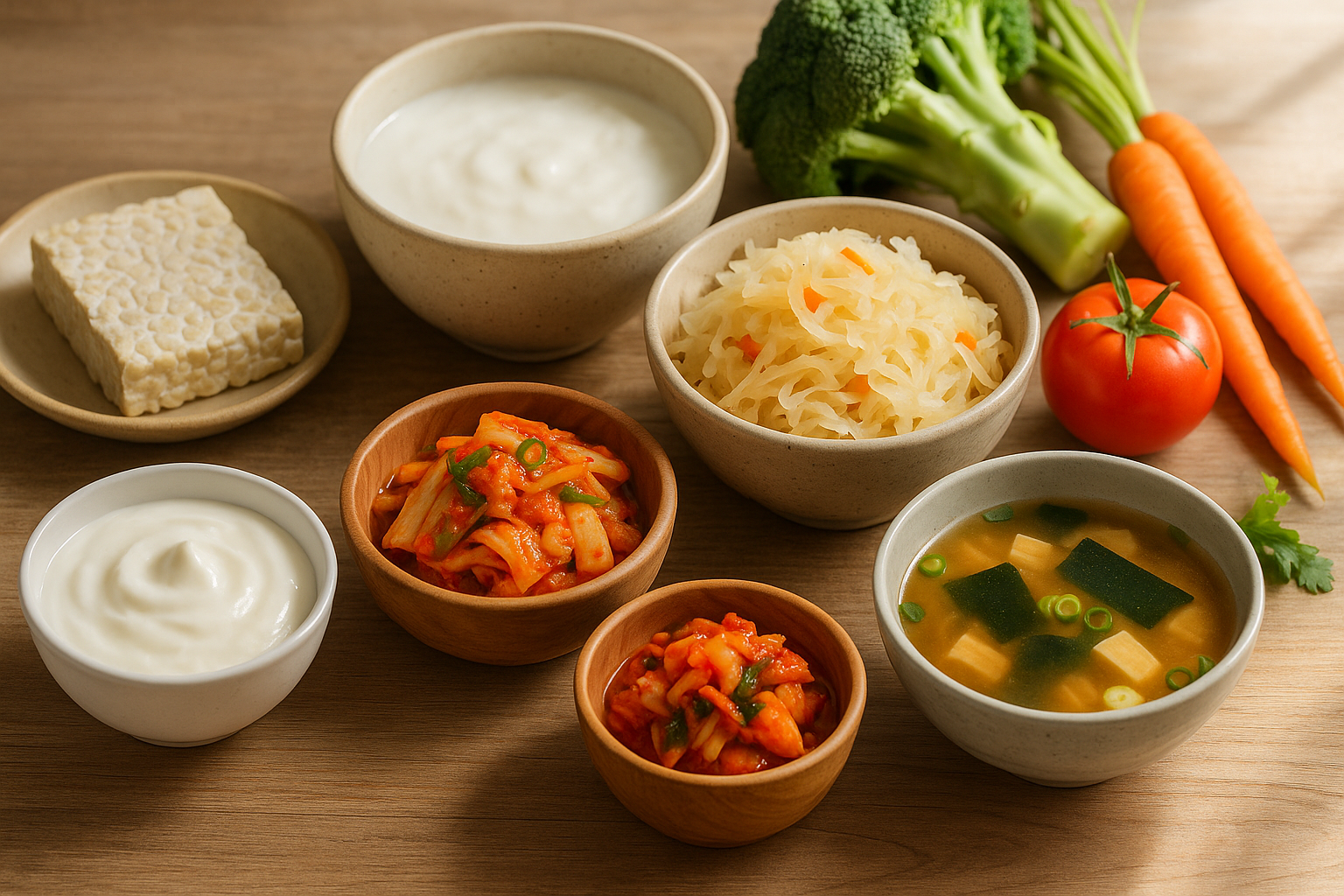
Probiotic foods are foods that contain live beneficial microorganisms, often bacteria or yeasts, that may support a healthy gut microbiome. While no single food can fix digestive issues on its own, regularly eating fermented, probiotic-rich foods may be a helpful part of a balanced gut health routine.
What Are Probiotic Foods?
Probiotic foods are typically fermented foods that still contain live and active cultures. During fermentation, microorganisms help transform sugars and other compounds in food, creating tangy flavors and, in some cases, beneficial bacteria.
Not all fermented foods are probiotic. For example, foods that are pasteurized after fermentation may no longer contain live cultures. When shopping, look for labels that mention live and active cultures or raw and unpasteurized where appropriate.
Best Probiotic Foods for Gut Health
Yogurt
Yogurt is one of the most familiar probiotic foods. It is made by fermenting milk with bacterial cultures, commonly including Lactobacillus and Streptococcus species. Choose plain yogurt with live and active cultures to avoid excess added sugar.
Ways to use it:

- Add berries and oats for breakfast
- Use it as a base for smoothies
- Mix with herbs for a savory sauce
Kefir
Kefir is a fermented milk drink with a thinner texture than yogurt. It may contain a wider variety of bacteria and yeasts, depending on how it is made. Plain kefir can be a convenient option for people who prefer a drinkable probiotic food.
Ways to use it:
- Drink it plain
- Blend into smoothies
- Pour over fruit or granola
Sauerkraut
Sauerkraut is fermented cabbage. When raw and unpasteurized, it may contain live lactic acid bacteria. It also provides fiber and plant compounds that can support overall dietary quality.
Tip: Choose refrigerated sauerkraut labeled raw or unpasteurized when looking for live cultures.
Kimchi
Kimchi is a traditional Korean fermented vegetable dish, often made with cabbage, radish, garlic, ginger, and chili. It can be rich in flavor and may provide beneficial bacteria when not heat-treated.
Ways to use it:
- Serve as a side dish
- Add to rice bowls
- Mix into eggs or tofu after cooking to preserve live cultures
Miso
Miso is a fermented soybean paste commonly used in Japanese cooking. It adds savory umami flavor to soups, dressings, and marinades. Because high heat can reduce live microorganisms, add miso near the end of cooking rather than boiling it for long periods.
Tempeh
Tempeh is a fermented soybean product with a firm texture and nutty flavor. It is also a good plant-based protein source. While cooking may reduce live cultures, tempeh remains a nutrient-dense fermented food that can fit well into a gut-supportive diet.
Traditional Pickles
Naturally fermented pickles are made through saltwater brining rather than vinegar pickling. Look for refrigerated pickles with wording such as fermented, raw, or contains live cultures.
Some Fermented Cheeses
Certain cheeses may contain live cultures, including some aged cheeses. Look for labels that mention live cultures. Cheese can be higher in saturated fat and sodium, so enjoy it in moderate portions.
How Probiotic Foods May Support Digestion
Probiotic-rich foods may help support digestive wellness by contributing beneficial microbes to the gut, supporting microbial diversity, and complementing a fiber-rich diet. Some people find that fermented foods help with regularity or digestive comfort, though effects vary from person to person.
The gut microbiome is influenced by many factors, including diet, stress, sleep, medications, illness, and overall lifestyle. Probiotic foods work best as part of a broader pattern that includes fruits, vegetables, legumes, whole grains, nuts, seeds, and adequate hydration.
Probiotic Foods vs. Prebiotic Foods
Probiotics are live microorganisms found in certain foods and supplements. Prebiotics are types of fiber and compounds that help feed beneficial gut bacteria.
Examples of prebiotic foods include:
- Onions
- Garlic
- Leeks
- Asparagus
- Bananas
- Oats
- Beans and lentils
- Jerusalem artichokes
For gut health, it can be helpful to combine probiotic foods with prebiotic-rich foods. For example, try yogurt with oats and banana, or kimchi with a fiber-rich grain bowl.
Tips for Adding Probiotic Foods Safely
Start slowly if you are new to fermented foods. A sudden increase may cause temporary gas, bloating, or digestive changes. Begin with small servings, such as a few spoonfuls of sauerkraut or a small glass of kefir, and increase gradually as tolerated.
Practical tips:
- Choose plain, low-sugar options when possible
- Look for live and active cultures on labels
- Keep refrigerated probiotic foods cold
- Avoid boiling fermented foods if you want to preserve live cultures
- Pair probiotic foods with fiber-rich meals
Who Should Be Careful With Probiotic Foods?
Most healthy adults can include probiotic foods as part of a balanced diet. However, people who are immunocompromised, critically ill, pregnant, or managing complex health conditions should speak with a healthcare professional before using probiotic supplements or making major changes to fermented food intake.
People with histamine intolerance, certain digestive disorders, or sensitivity to high-sodium foods may also need to be selective with fermented foods like kimchi, sauerkraut, and pickles.
Simple Gut-Friendly Meal Ideas
- Plain yogurt with berries, oats, and chia seeds
- Kefir smoothie with banana and spinach
- Brown rice bowl with kimchi, vegetables, and tofu
- Lentil soup topped with a spoonful of plain yogurt after cooling slightly
- Whole grain toast with tempeh and avocado
- Salad with raw sauerkraut, beans, and olive oil dressing
Bottom Line
Probiotic foods such as yogurt, kefir, kimchi, sauerkraut, miso, tempeh, and fermented pickles may naturally support digestion and microbiome balance. For best results, eat them consistently in moderate portions alongside prebiotic fiber, colorful plant foods, enough fluids, and healthy lifestyle habits.