
Best Probiotic Foods for Gut Health and How to Add Them to Your Routine
Best Probiotic Foods for Gut Health and How to Add Them to Your Routine
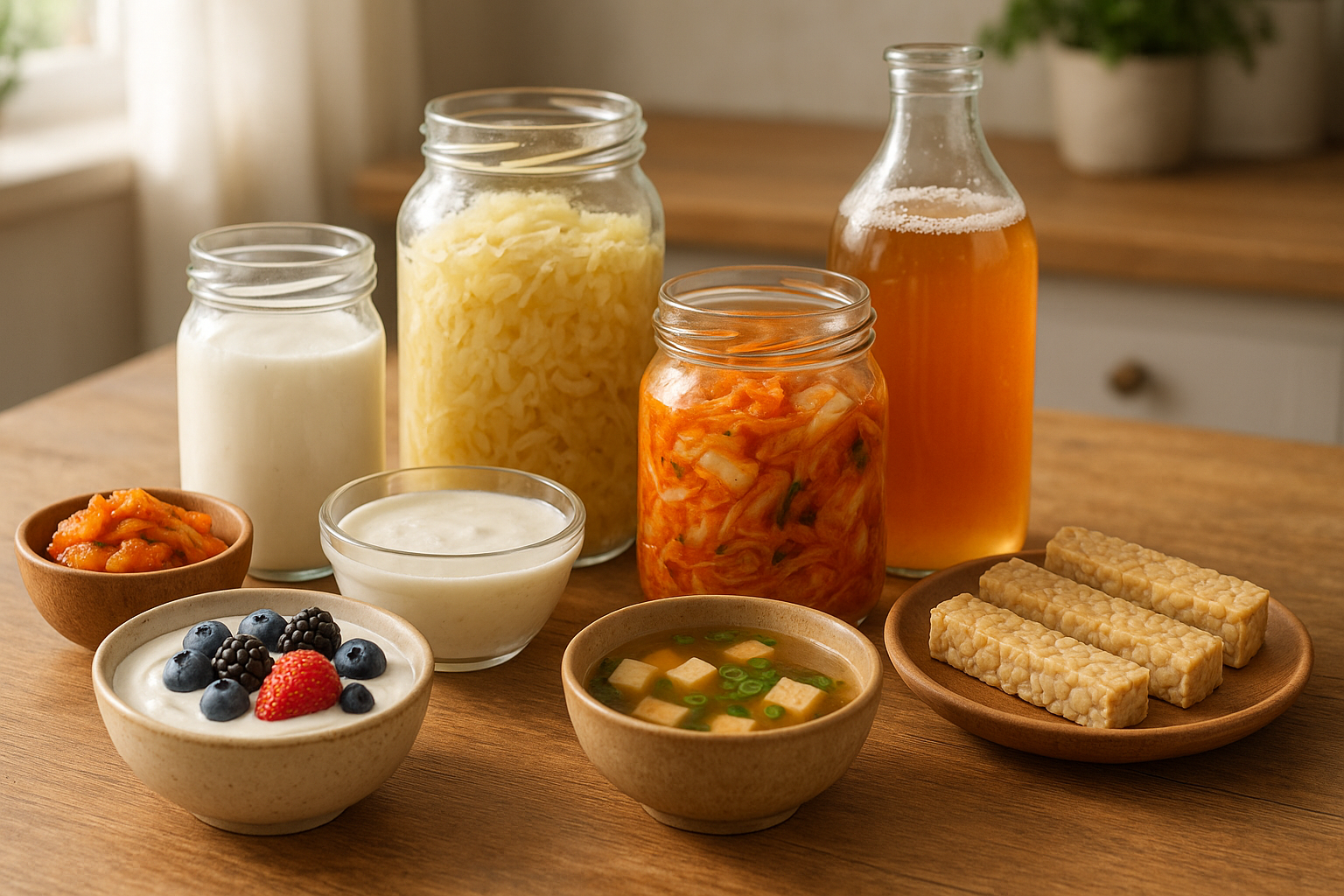
Probiotic foods are fermented foods that may contain live, beneficial microorganisms. When included consistently in a balanced diet, they can help support digestive wellness and overall gut microbiome diversity.
Not every fermented food contains live probiotics by the time you eat it. Heat processing, pasteurization, and some storage methods can reduce or eliminate live cultures. For the best chance of getting probiotics, look for labels that mention live and active cultures, raw or unpasteurized when appropriate, or refrigerated fermented foods.
Best probiotic foods for gut health
1. Yogurt
Yogurt is one of the most accessible probiotic foods. Choose plain yogurt with live and active cultures to avoid excess added sugar. Greek yogurt can be a higher-protein option, while regular yogurt may have a softer texture and milder flavor.
Easy ways to use it: add it to breakfast bowls, blend it into smoothies, use it as a base for dips, or top it with berries, oats, and nuts.
2. Kefir
Kefir is a fermented milk drink that is typically thinner than yogurt and often contains a variety of bacterial cultures. It has a tangy flavor and can be easier to drink than spoonable yogurt.

Easy ways to use it: drink a small glass with breakfast, blend it with fruit, pour it over granola, or use it in cold sauces.
3. Sauerkraut
Sauerkraut is fermented cabbage. For probiotic benefits, choose refrigerated sauerkraut that has not been pasteurized. Shelf-stable versions may be heat-treated, which can reduce live cultures.
Easy ways to use it: add a spoonful to grain bowls, sandwiches, salads, eggs, or roasted vegetables.
4. Kimchi
Kimchi is a Korean fermented vegetable dish, usually made with cabbage, radish, garlic, ginger, and chili. It is flavorful, tangy, and spicy, and it can add both probiotics and vegetables to meals.
Easy ways to use it: serve it with rice bowls, eggs, tofu, noodles, soups after cooking, or alongside lean proteins.
5. Miso
Miso is a fermented soybean paste commonly used in Japanese cooking. Because high heat can damage live cultures, add miso after removing soup or sauce from direct heat.
Easy ways to use it: stir it into warm broth, whisk it into salad dressings, mix it into marinades, or use it in sauces for vegetables and fish.
6. Tempeh
Tempeh is a fermented soybean cake with a firm texture and nutty flavor. It is also a plant-based source of protein. Some tempeh is cooked before eating, so its probiotic content can vary, but it remains a nutritious fermented food.
Easy ways to use it: slice and pan-sear it, crumble it into tacos, add it to stir-fries, or marinate it for grain bowls.
7. Natto
Natto is a traditional Japanese fermented soybean food with a strong flavor and sticky texture. It is rich in nutrients and is often eaten with rice.
Easy ways to use it: start with a small portion, pair it with rice or eggs, or add mild seasonings if the flavor is new to you.
8. Kombucha
Kombucha is a fermented tea with a tart, lightly fizzy taste. It can contain live cultures, but sugar and caffeine levels vary by brand.
Easy ways to use it: choose lower-sugar options, start with a small serving, and use it as an occasional alternative to soda or sweetened drinks.
9. Fermented pickles
Some pickles are fermented in saltwater brine and may contain live cultures. Pickles made with vinegar are tasty but usually are not probiotic in the same way. Look for refrigerated fermented pickles with live cultures.
Easy ways to use it: add them to sandwiches, snack plates, wraps, or chopped salads.
10. Traditional buttermilk
Traditional buttermilk, the liquid left after churning cultured butter, may contain probiotics. Many commercial buttermilk products are cultured but may vary in live culture content.
Easy ways to use it: use it in cold dressings, smoothies, or occasional baking, though baking heat may reduce live cultures.
How to add probiotic foods to your routine
Start small
If you are not used to fermented foods, begin with small servings, such as a few spoonfuls of yogurt or sauerkraut. Increasing too quickly may cause temporary gas or bloating for some people.
Eat them consistently
Probiotic foods work best as part of a regular pattern. You do not need every probiotic food every day. Aim to include one fermented food most days if it agrees with you.
Pair probiotics with prebiotic foods
Prebiotics are fibers that help feed beneficial gut bacteria. Good options include oats, beans, lentils, onions, garlic, asparagus, bananas, apples, and whole grains.
Choose lower-sugar options
Many flavored yogurts, kefirs, and kombuchas contain added sugar. Choose plain or lower-sugar versions when possible, then add your own fruit or spices for flavor.
Avoid overheating live-culture foods
Heat can reduce live microorganisms. Add foods like miso, sauerkraut, and kimchi after cooking when possible, or use them as toppings.
Rotate your choices
Different fermented foods can contain different types of microbes and nutrients. Rotating yogurt, kefir, kimchi, sauerkraut, miso, and tempeh can make your diet more varied.
Simple daily ideas
Breakfast: plain yogurt or kefir with berries, oats, and chia seeds.
Lunch: a grain bowl with vegetables, beans, and a spoonful of sauerkraut or kimchi.
Snack: lower-sugar kombucha or yogurt with nuts.
Dinner: tempeh with vegetables and rice, topped with kimchi after cooking.
Sauce idea: whisk miso with warm water, ginger, sesame oil, and lemon juice for a quick dressing.
Who should be cautious
Most healthy adults can enjoy probiotic foods as part of a balanced diet. However, people with weakened immune systems, serious illnesses, central lines, recent major surgery, or complex digestive conditions should ask a healthcare professional before increasing probiotic intake or using probiotic supplements.
Bottom line
The best probiotic foods for gut health include yogurt, kefir, sauerkraut, kimchi, miso, tempeh, natto, kombucha, and fermented pickles. Start with small portions, choose products with live cultures when possible, pair them with fiber-rich foods, and build a routine that feels realistic and enjoyable.